Trust
Load limits, insurance, wages, and leave-no-trace standards, published as line items rather than slogans.
5 sections
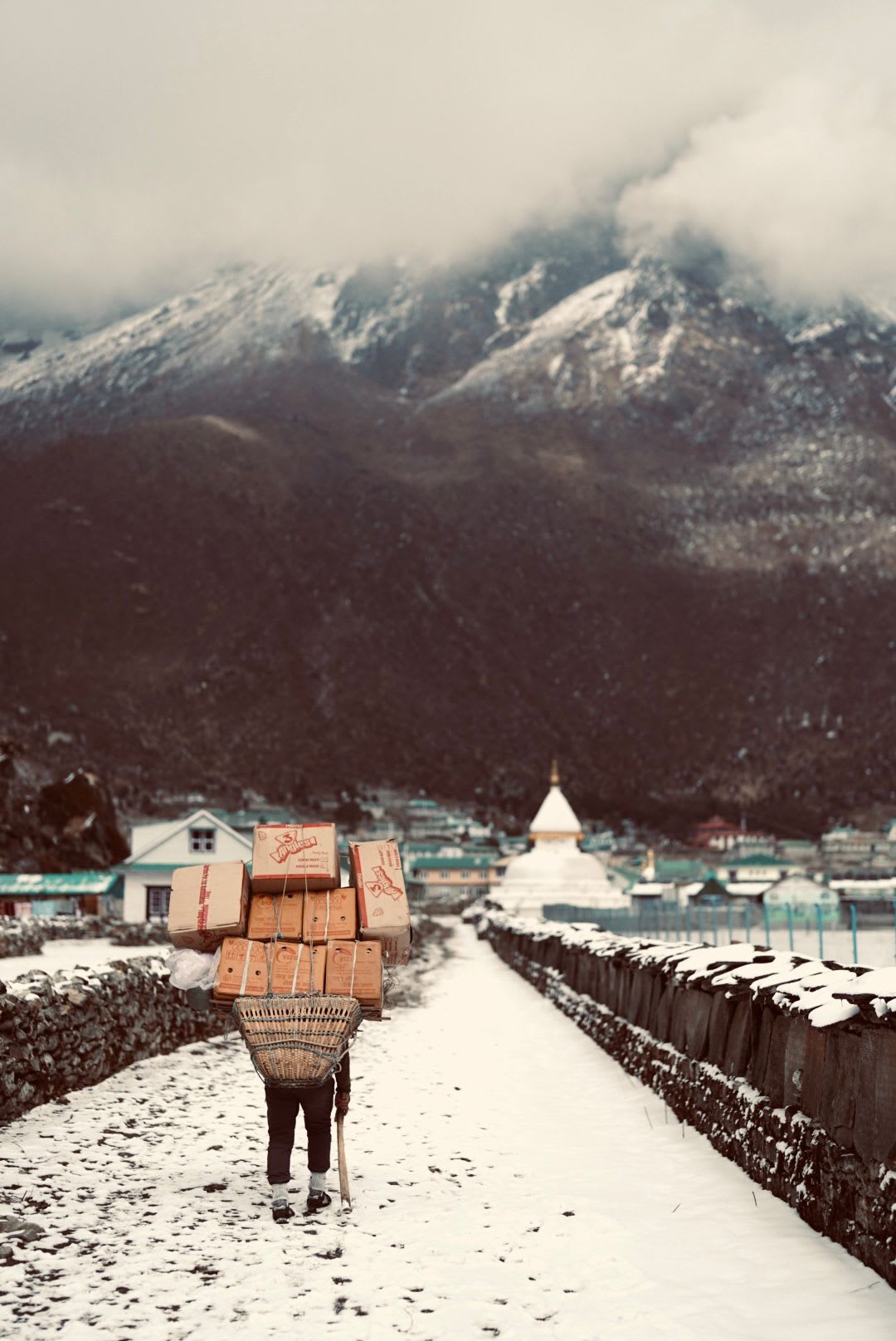
Porters on our departures carry a shared load limit of 20 kg per two trekkers, split evenly rather than loaded onto a single porter, the same limit referenced throughout our trip cost breakdowns. This is below the weight that causes the chronic injuries porter-welfare organizations have documented across the industry, and we treat it as a floor, not a target to push toward.
Every porter on a Nepal Travel Packages departure is insured for the duration of the trek and paid at or above TAAN's recommended daily rate, the same USD 25 per day figure that appears in our published cost breakdowns rather than a discounted off-book rate. Porter wages are a named line item on every trip's cost table, not folded into a vague "logistics" figure, so the cost is visible rather than hidden.
Climbing departures on NMA-managed peaks carry a refundable garbage deposit that the agency reclaims only once the expedition proves it packed out its waste, detailed in the climbing permits and NMA royalties guide. We treat that standard as the baseline for every departure, not just climbs: guides carry out what the group brings in on every trekking route as well, regardless of whether a formal deposit applies.
Our wellness lead holds a Wilderness First Aid certification through KEEP Nepal (the Kathmandu Environmental Education Project), an organization focused on trekking-industry environmental and porter-welfare standards, and her training informs how we brief clients on leave-no-trace practice before departure. We are building out a fuller partnership record on this page as those relationships develop.
Tipping porters and guides at the customary rate, roughly USD 10 to 15 per day per staff member as of 2026, supports income that sits above the wage floor rather than replacing it. Carrying out your own trail waste, using a water filter or purification tablets instead of buying bottled water in villages where plastic disposal is a real problem, and asking your guide before photographing porters or villagers are small, concrete things that add up on a route with hundreds of departures a season.