Collection

Six trips on this site fit a one-week calendar, priced from USD 40 to USD 900 in a group, and none of them needs an acclimatization day.
Count your travel days before you look at any itinerary. Kathmandu is a long way from most places, most people land late in the afternoon, lose the first morning to sleep, and need to be at the airport before dawn on the last day. A seven-day trip is usually five usable days on the ground.
That arithmetic decides more short itineraries than preference does. Five usable days is enough for one foothill trek or one retreat done properly. It isn't enough for both, and it isn't enough for anything high.
Curated for you
 Easy
Easy 2 days
1,541 m
From
USD 90 pp
 Easy
Easy 6 days
1,940 m
From
USD 500 pp
 Easy
Easy 6 days
150 m
From
USD 550 pp
 Easy
Easy 4 days
3,210 m
From
USD 350 pp
 Easy
Easy 5 days
1,400 m
From
USD 480 pp
 Easy
Easy 1 days
1,400 m
From
USD 40 pp
Six trips fit a one-week schedule: the Poon Hill trek, the two Kathmandu heritage tours, and retreats in Kathmandu, Ghandruk, or Lumbini. All six stay below 3,210 m and none requires a rest day for altitude.
| Trip | Days | Highest point | Group price |
|---|---|---|---|
| Kathmandu Heritage Day Tour | 1 | 1,400 m | USD 40-70 |
| Extended Heritage Tour | 2 | 1,541 m | USD 90-150 |
| Poon Hill Trek | 4 | 3,210 m | USD 350-600 |
| Kathmandu Wellness Retreat | 5 | 1,400 m | USD 480-800 |
| Ghandruk Village Retreat | 6 | 1,940 m | USD 500-850 |
| Lumbini Meditation Immersion | 6 | 150 m | USD 550-900 |
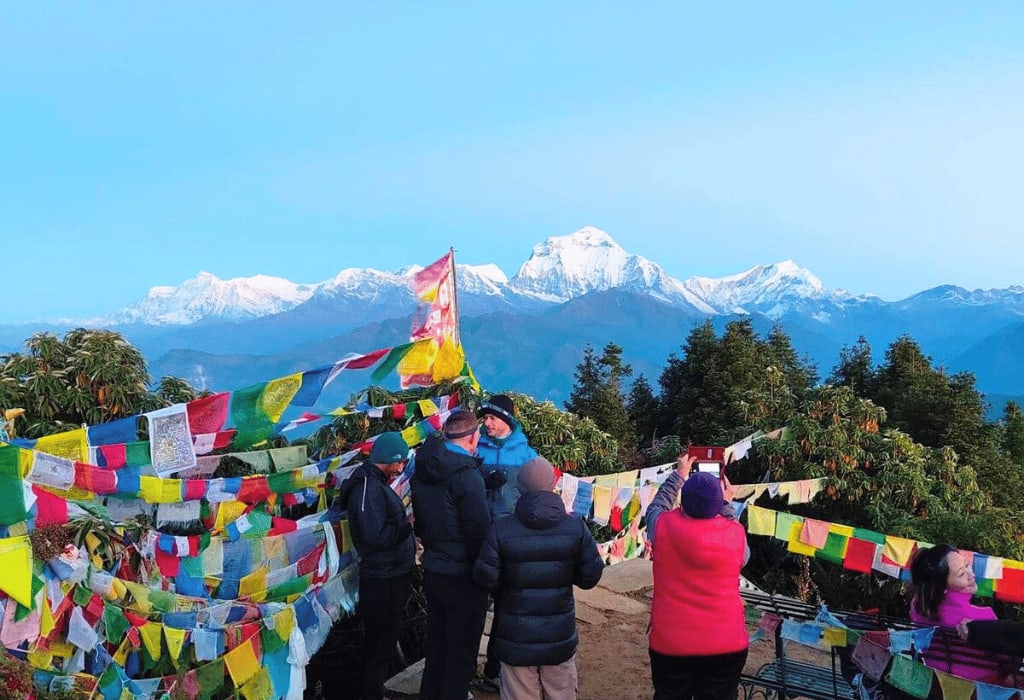
Yes, on Poon Hill. It runs four days from Pokhara, reaches 3,210 m, and delivers a dawn viewpoint taking in Dhaulagiri I at 8,167 m, Annapurna South at 7,219 m, and Machhapuchhre at 6,993 m. Real trails, real teahouse nights, not a flat walk dressed up as a trek.
It fits a short calendar because you sleep at Ghorepani, 2,860 m, below the band where the Himalayan Rescue Association's 500 m sleeping-altitude rule starts governing a schedule. No rest days are built in because none are needed. That's exactly why a route 2,000 m higher can't be compressed into the same window, however fit you are.
If you have five usable days and you came for the mountains, book this one. The Poon Hill and Mardi Himal comparison covers the next route up if your calendar turns out to have more room than you thought.
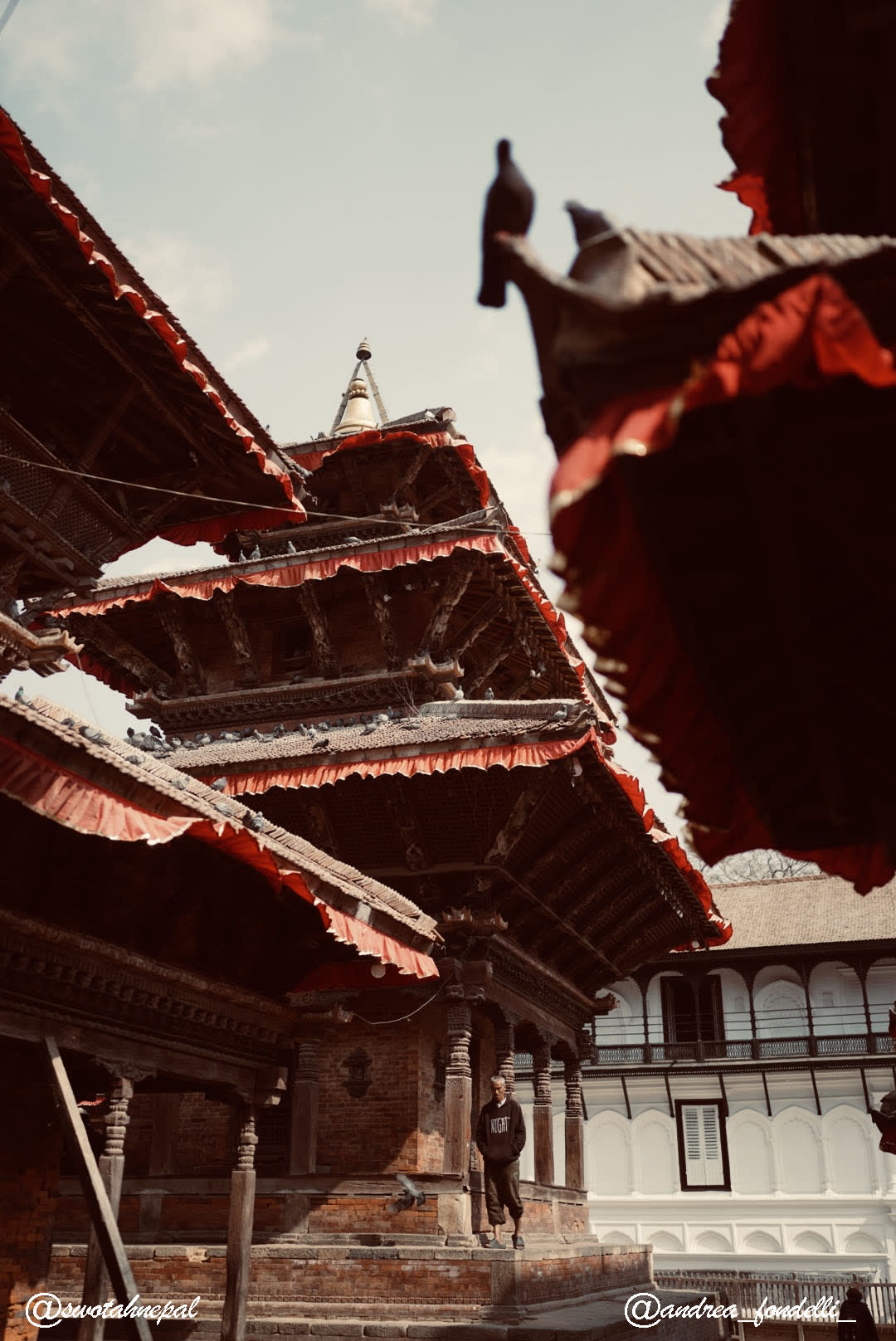
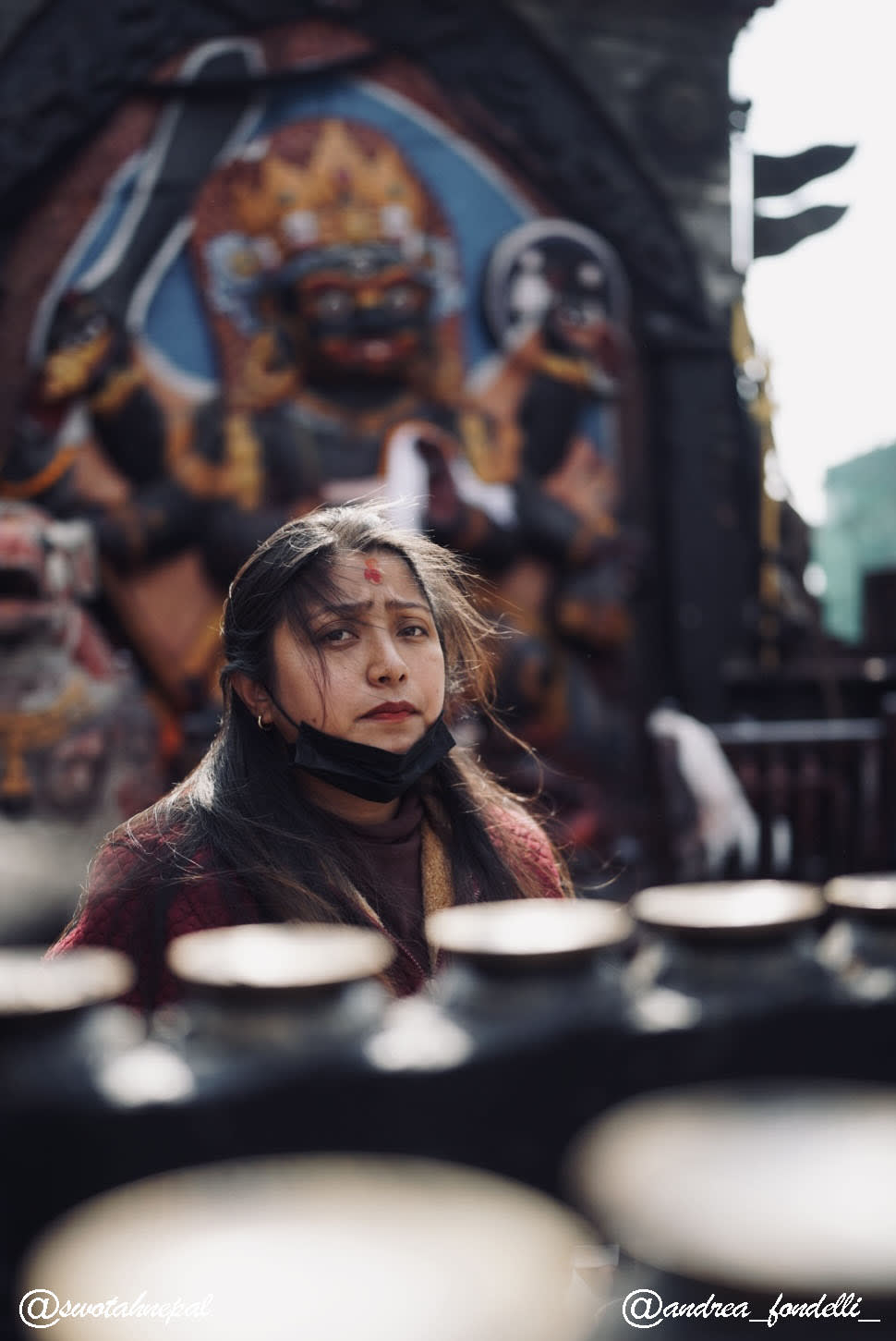
One day is worth the Heritage Day Tour at USD 40-70, which covers the Valley's UNESCO sites with a licensed guide and all entry fees included. You see the palace squares, the great stupa at Boudhanath with its constant circuit of pilgrims, and Pashupatinath on the river, where public cremations happen in the open and foreign visitors watch from the far bank.
That last one isn't a sight in the ordinary sense, and some people find it hard. It's also the most honest hour of the trip, and having a guide explain what's happening is the difference between witnessing something and gawking at it.
Two days buys Bhaktapur and Patan as well, which is where the Valley's Newar architecture survives best and where the streets are quiet enough to look up without watching for traffic.
All three run from one fixed base with no daily relocation, which is what makes them work on a short calendar. They differ in altitude, setting, and how much of the day is scheduled.
The Kathmandu retreat sits near Boudhanath at 1,400 m and pairs twice-daily practice with guided visits to the stupa and Pashupatinath. It's the only one of the three that can start the morning after you land, with no transfer day burned at either end.
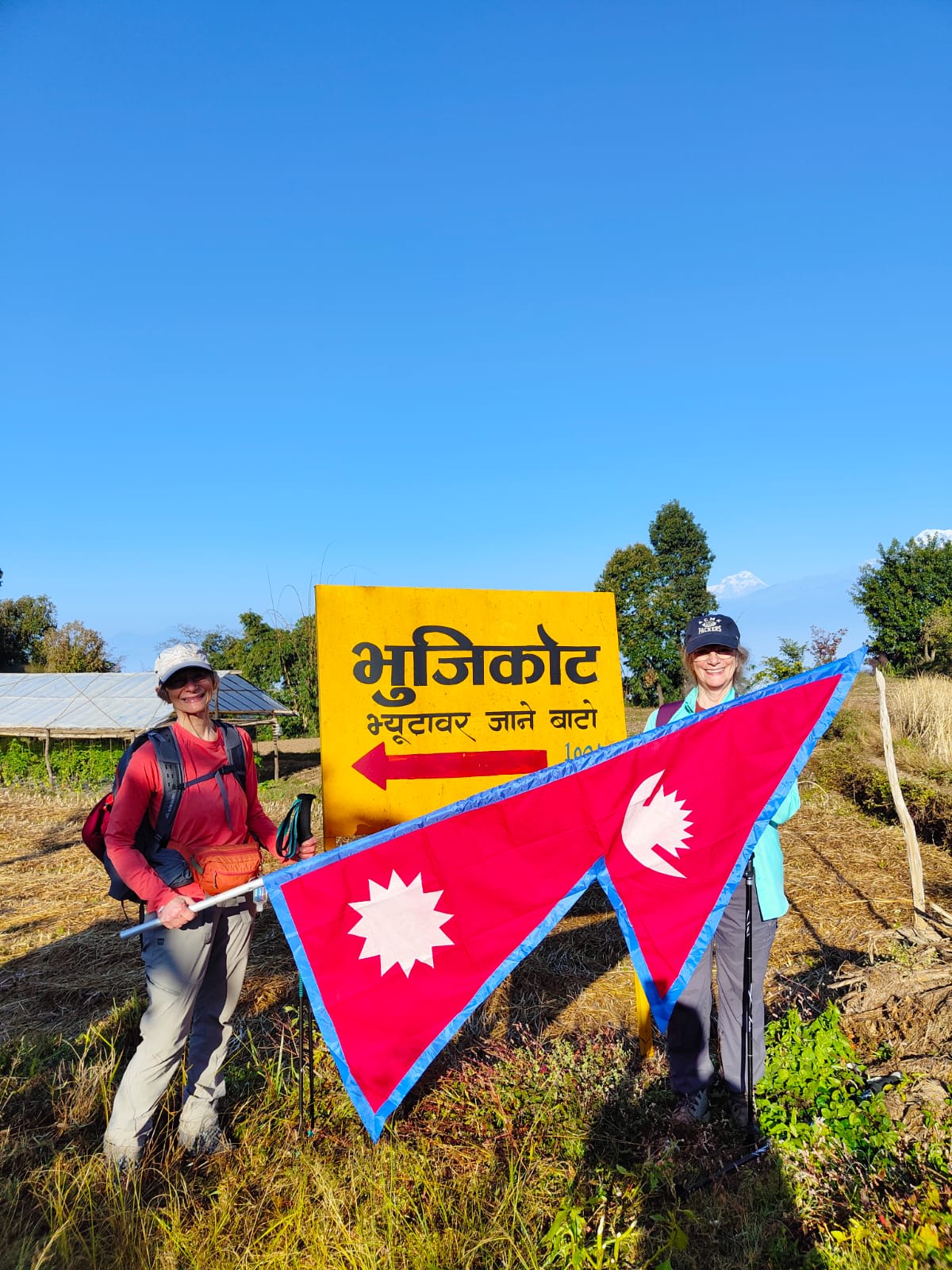
The Ghandruk retreat is the interesting one. It runs from Gurung family homestays in a working village at 1,940 m in the Annapurna foothills, with Annapurna South and Machhapuchhre on the skyline from the terrace. Groups cap at eight, because eight is what a village household can host properly.
The Lumbini retreat goes furthest from the mountains, down to 150 m on the Terai plain, and centres on the Maya Devi Temple and the monastic zone around it. It's the most contemplative and the least scenic, which makes it right when the point of the trip is stillness rather than views. The Kathmandu and Pokhara short-trip comparison sets the two city-adjacent options against each other.
Everest Base Camp needs twelve days, and the days you'd cut are the acclimatization nights at Namche and Dingboche. Removing them is how trekkers end up on a helicopter for reasons they didn't plan on.
The same applies to the Annapurna Circuit, Manaslu, Gokyo, and everything on this site above roughly 4,000 m. Sleeping height rises about 500 m a day above 3,000 m with a rest day every 1,000 m, per the Himalayan Rescue Association's Pheriche clinic, and that sets a floor no amount of fitness or money moves. The acclimatization guide has the schedules route by route.
Stacking a short trek onto a Kathmandu tour also runs out of days faster than people expect. Poon Hill plus the Heritage Day Tour is about seven usable days once the Pokhara transfers are counted honestly, which for most visitors means a nine-day trip. Worth doing. Just not a one-week one.
The Kathmandu heritage tours and the fixed-base retreats run through monsoon, June to September, because almost nothing else on this site does.
The high routes are wet, leech-heavy, and clouded in during those months, in exactly the places the views should be. A cultural tour or a fixed-base retreat doesn't depend on mountain visibility, so the Kathmandu and Lumbini programs keep their normal schedule with small adjustments: sessions move under cover during afternoon rain, and Lumbini shifts to dawn and dusk once Terai temperatures climb.
If your only free week falls in July, this page isn't a compromise. It's the correct answer. The rain-shadow guide covers the one exception, for anyone with longer who wants a trek anyway.
The 15-day tier, at USD 30 on arrival at Tribhuvan International Airport. Every trip on this page fits inside it with room to spare, and children under 10 are exempt from the fee entirely.
The counter takes US dollars or a card, needs one passport photo, and clears most travellers in 15 to 30 minutes outside the peak arrival banks. On a five-day trip that queue is a real percentage of your holiday, so land outside the late-evening bank of long-haul arrivals if your routing gives you the choice. The visa guide covers the short list of nationalities that can't use the on-arrival route and have to arrange one in advance.
Nothing on this page needs a trekking permit application in advance either. Poon Hill's ACAP and TIMS cards are bought over the counter in Pokhara the morning you start, and the retreats and city tours need no trekking permit at all.
Fly. Three of these six trips start from Pokhara, and how you cover the 200 km from Kathmandu matters far more on a five-day trip than on a two-week one.
The flight takes 25 minutes. The drive takes six to seven hours on a congested road, which on a five-day trip removes most of two days. On a longer trip the drive is fine, and you see the middle hills. Book the morning flight rather than the afternoon one: Pokhara's cloud builds through the day in most seasons, and a cancelled 3 pm flight costs you the whole day in a way a cancelled 8 am flight usually doesn't.
One free day: Heritage Day Tour. Two days: the extended version. Five usable days and you want mountains: Poon Hill. Five days and you want practice with a city around it: Kathmandu. Five days and you want a village instead of a city: Ghandruk. Five days and you want the quietest version of the trip: Lumbini.
Permits are the easy part on all six. Nothing here needs a restricted-area application, and the retreats and tours need no trekking permit at all, so a short trip can be confirmed inside a week or two where a Manaslu booking needs six to eight.
FAQ
Yes, on the Poon Hill Trek. It runs four days from Pokhara to a 3,210 m viewpoint over Dhaulagiri and Annapurna South, on real teahouse trails. It fits a short calendar because you sleep at 2,860 m, below the altitude that forces rest days into a schedule.
A 7-day trip is realistically five usable days after international travel, which is enough for one thing done properly: the Poon Hill trek, a fixed-base retreat in Kathmandu, Ghandruk, or Lumbini, or a Kathmandu heritage tour with a few days around it. It isn't enough for a trek plus a retreat, or for any high-altitude route.
Because the days you'd remove are the acclimatization nights at Namche and Dingboche. Above 3,000 m, sleeping height should rise no more than about 500 m a day with a rest day every 1,000 m, per the Himalayan Rescue Association's Pheriche clinic guidance, which sets a floor of 12 to 16 days on the route regardless of fitness.
The Kathmandu heritage tours and the fixed-base Kathmandu and Lumbini retreats run through June to September on their normal schedule, because none of them depends on mountain visibility. The high treks are wet, leech-heavy, and clouded in during those months.
The Kathmandu Valley Heritage Day Tour, a single day at USD 40-70 in a group or from USD 90 privately. It covers the Valley's UNESCO sites with a licensed guide and all entry fees included, and works as an arrival or departure day bolted onto any longer trip.