Explore

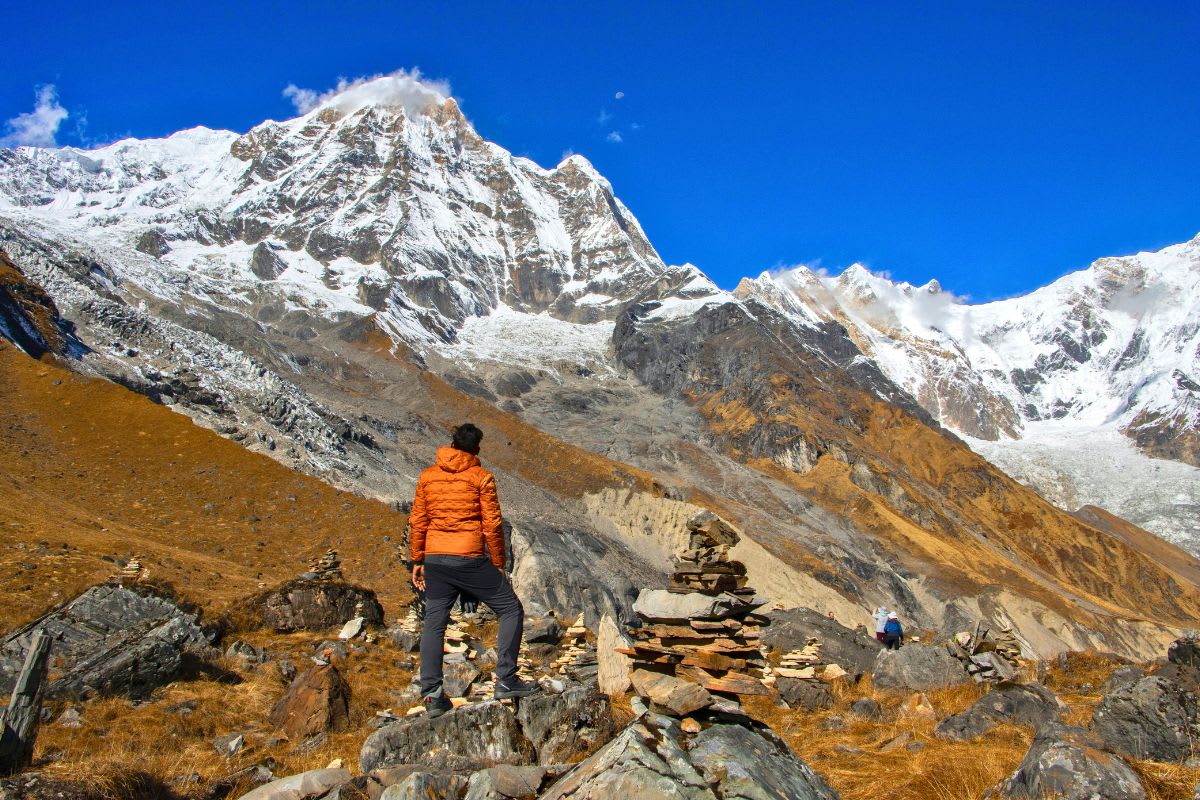
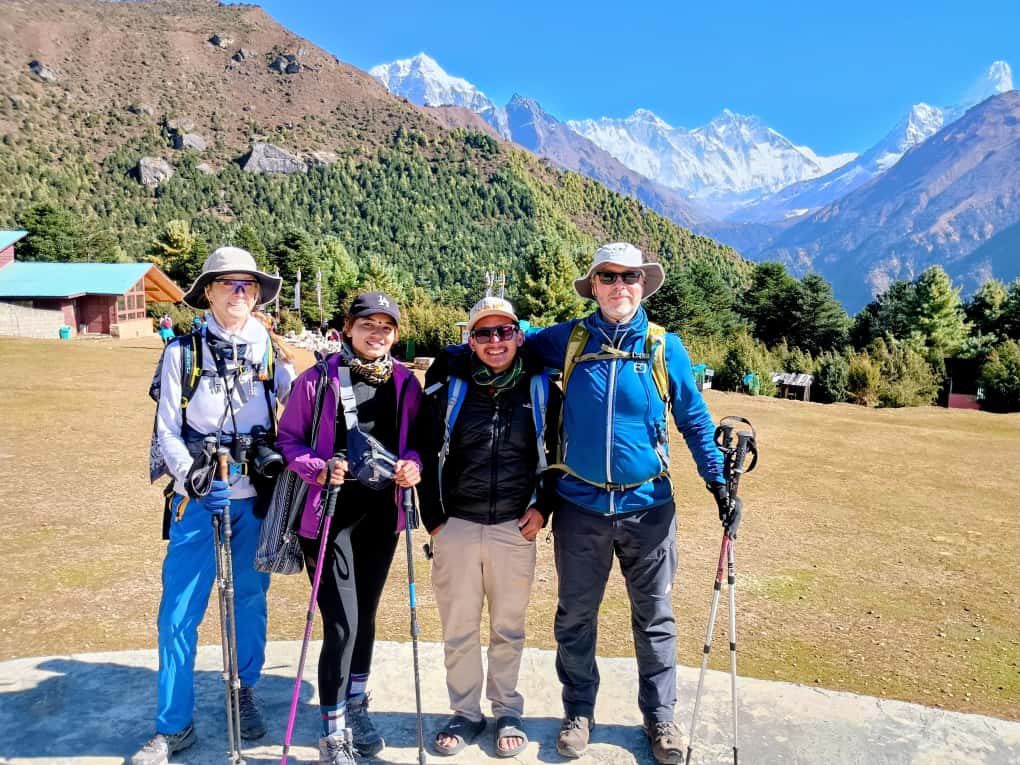
Wellness travel in Nepal combines yoga treks in the Annapurna and Everest foothills, fixed-base retreats in Pokhara, Kathmandu, and Lumbini, and Ayurveda programs, a sector the government has organized around Wellness Tourism Year 2027 and a 2026-2035 certified-wellness strategy. Programs run 6 days, sit between Pokhara's 822 m lakeside and teahouse routes reaching 4,130 m, and pair licensed trekking guides with certified yoga instructors rather than substituting one for the other. Lumbini, the birthplace of the Buddha and a UNESCO World Heritage Site since 1997, anchors the meditation end of the spectrum.
Wellness remains the least-developed hub among Nepal's large trekking operators, which is why we built ours first. The two seeds below split the offer cleanly: yoga treks for people who want to keep walking, retreats for people who want to stop.
Programs
Three formats cover the market. A yoga trek is a standard teahouse trek with led morning and evening practice added to each walking day; a retreat is a fixed-base program built around a single center; and post-trek recovery is a short 3 to 4 day block of massage, Ayurveda, and rest booked after a high-altitude descent. Yoga treks in Nepal and wellness retreats in Nepal each have a dedicated hub with routes, centers, and 2026 price ranges.
A trek burns 3,000+ calories a day while a retreat schedule rarely exceeds two practice sessions plus treatments, so format choice follows energy. Trekkers coming off routes above 4,000 m tend to book the recovery block; travelers building a trip around practice itself book the retreat.
Nepal's government declared 2027 Wellness Tourism Year and backed it with a certified-wellness strategy running 2026 to 2035, covering standards for yoga centers, Ayurveda providers, and retreat properties. Certification matters commercially because the sector has been unregulated: two Pokhara retreats can charge identical rates with entirely different instructor credentials, so the strategy's audit trail gives travelers a way to check before booking.
Lumbini's monastic zone hosts meditation centers run by a dozen national Buddhist traditions, vipassana courses have run in the Kathmandu Valley for decades, and Ayurveda predates the tourism board by centuries, so the branding is newer than anything it promotes. The practical entry points are the Ayurveda in Nepal guide and the post-trek recovery retreat in Pokhara page.
| Format | Duration | 2026 group cost | Best for |
|---|---|---|---|
| Retreat (Pokhara, Kathmandu, Ghandruk, Lumbini) | 4 days | USD 480-1,100 | Recovery, or practice without walking |
| Yoga trek (Poon Hill, Annapurna, Everest foothills) | 8-10 days | USD 650-1,750 | Practice combined with daily trekking |
| Post-trek recovery block | 4 days | Add-on pricing, ask your guide | A short reset after a high-altitude trek |
Yoga treks cost more than retreats at a comparable duration because they carry the same guide, porter, and permit costs as a standard trek on top of the instructor's fee; a retreat's fixed base removes most of that overhead. Choosing between the two formats comes down to whether daily movement or complete rest better serves the trip, not which one is objectively better value.
Nepal starts from a smaller base than India's Rishikesh or Thailand's retreat industry, both of which have decades of dedicated wellness tourism infrastructure behind them, but it offers something neither can: a wellness program built directly into genuine Himalayan trekking rather than added as a separate activity at a resort. A yoga trek here isn't a yoga retreat with a day hike attached; it's a real multi-day trekking itinerary with the daily ascent capped specifically to support the practice, a structural design choice most established wellness destinations, which aren't built around mountain trekking in the first place, simply can't offer.
The 2026-2035 certified-wellness strategy is Nepal's attempt to close the credentialing gap with those more established markets, and checking an instructor's actual certification, RYT designation, years of practice, rather than trusting a retreat's marketing copy, is the practical way to navigate a still-maturing sector.
Planning
FAQ
Book a yoga trek if you want daily movement and mountain views alongside twice-daily practice; book a retreat if you want rest, recovery, or practice without any walking commitment. Trekkers coming off a hard high-altitude route tend to book the recovery-focused retreat instead of a yoga trek.
It's newer as a branded sector than the practices it covers: Ayurveda predates the tourism board by centuries, and Lumbini's monastic meditation traditions run just as deep. Nepal's government declared 2027 Wellness Tourism Year and set a 2026-2035 certified-wellness strategy specifically because the sector has been unregulated, with instructor credentials varying widely between providers.