Explore
The Nepal trek planning guides are a research library covering the four decisions every trekker makes before departure: which permits to buy (from NPR 2,000), which season to book, how to manage altitude above 3,000 m, and what a fair 2026 price looks like. The numbers that anchor those decisions sit in the four seeds below: a TIMS card costs NPR 2,000, the Himalayan Rescue Association's sleeping-altitude ceiling is 500 m of gain per day, and guided treks span USD 400 to 3,500 per person depending on route and service level.
Every guide here carries a byline from a licensed guide or permit handler on our team, a visible date-modified stamp, and figures checked against issuer schedules. Stale season pages are the fastest trust-killer in this vertical, so each page states when its numbers were last verified.
Topics
Four items make up the pre-departure sequence: a visa, permits, insurance, and a guide booking. Nepal issues a visa on arrival at Kathmandu's Tribhuvan airport (USD 50 for 30 days), permits are bought in Kathmandu, Pokhara, or at trailheads depending on region, and insurance must state helicopter evacuation cover to your route's maximum altitude before it counts as trek insurance. Permit mechanics for every region sit in the Nepal trekking permits master guide, and the 2023 guide rule, still active in 2026, is explained in the solo trekking guide requirement page.
Season choice has shifted measurably: a Nepal Tourism Board release put January 2026 arrivals at 92,573, up 15.7% year over year, and February 2026 was the highest February on record, so the old October-only advice undersells half the calendar. Winter's case, plus the monsoon rain-shadow options, is made month by month in the Nepal trekking seasons hub and the trekking Nepal in winter guide.
Costs follow the season decision because spring and autumn departures price 10 to 20% above winter ones on popular routes. Truth ranges per trek, Everest Base Camp at USD 1,200-1,800 for a group departure among them, are tabled in the trek costs hub, along with what sits outside a quote and the daily spending most trekkers forget to budget for.
The two decisions interact more than people expect. Booking winter to save money on a route that needs a high pass can cost you the pass, while booking peak autumn for a low route means paying peak prices for trails that stay walkable all year. Reading the season and cost pages together is worth the twenty minutes it takes.
Acclimatization is scheduling, and the schedule is checkable before you book: above 3,000 m, sleeping altitude should rise no more than 500 m per day with a rest day every 1,000 m, the rule the Himalayan Rescue Association teaches at its Pheriche aid post. Any itinerary that breaks the rule to save a day is a red flag you can spot from the day list alone. The altitude safety hub covers prevention and symptoms, and the helicopter evacuation insurance coverage guide covers the policy check most insurers fail.
On most national-park routes, yes, and on restricted-area routes it is not optional. Since April 2023 the TIMS system has tied card issuance to a booking through a registered agency with a licensed guide, and restricted zones such as Manaslu, Upper Mustang, and Kanchenjunga have required a licensed guide for far longer still. What restricted areas no longer require, since a March 2026 rule change, is a second trekker: a solo applicant can now hold a restricted-area permit on their own. The solo trekking guide requirement page covers where the rule bites and where it does not.
Beyond the paperwork, the practical case is the part of the job that only shows up when something goes wrong. A licensed guide reads altitude symptoms before the trekker reports them, holds the authority to turn a party around, knows which lodge has a working stove in a cold snap, and can start an evacuation with one phone call instead of three. That is what the day rate buys, and it is why our guide wages, insurance, and equipment sit inside the trek price rather than being pushed onto the guide.
Five topics carry the planning decisions, and everything else is either a comparison between two specific routes or a piece of reporting from the trail. The full list is below and can be filtered by topic or sorted by length, so you can read the short answer now and the long one later.
| Topic | What it answers |
|---|---|
| Permits | Which documents your region needs, what they cost, where to buy them |
| Seasons | Which months suit which route, and what each season trades away |
| Altitude | The 500 m rule, symptoms, monitoring, and evacuation cover |
| Costs | Real 2026 price bands, what sits outside a quote, how to compare two |
| Packing | The item-by-item gear list, by category and by route |
The comparison guides sit alongside these and answer the question most trekkers actually arrive with, which is not "what is Everest Base Camp like" but "should I do this route or that one". Everest against Annapurna, Gokyo against the Three Passes, Island Peak against Mera: each of those pages puts the two side by side on cost, difficulty, altitude, and who the route suits.
Every page here carries three things: a named author from our guiding team, the date its figures were last checked, and a source for anything numerical. Permit fees are checked against the Department of National Parks and Department of Immigration schedules, arrival figures against Nepal Tourism Board releases, and trail conditions against what our guides report from the route that month.
Stale season and permit pages are the fastest way to lose a reader's trust in this vertical, because a trekker who arrives at a checkpoint with the wrong fee in hand remembers where they read it. When a figure changes, the page changes and the date stamp moves with it. When a figure has held steady for years, we say so rather than implying freshness we have not earned. The guides who write and review these pages are listed on the team page, each with their licence number.
The library
41 of 41 guides
 Guide
Guide General
Mount Everest's climbing history runs from the first British reconnaissance expeditions in the early 1920s through the confirmed first summit by Tenzing Norgay and Edmund Hillary on 29 May 1953 to today's much larger commercial guided climbing industry.
4 min read
 Guide
Guide Altitude
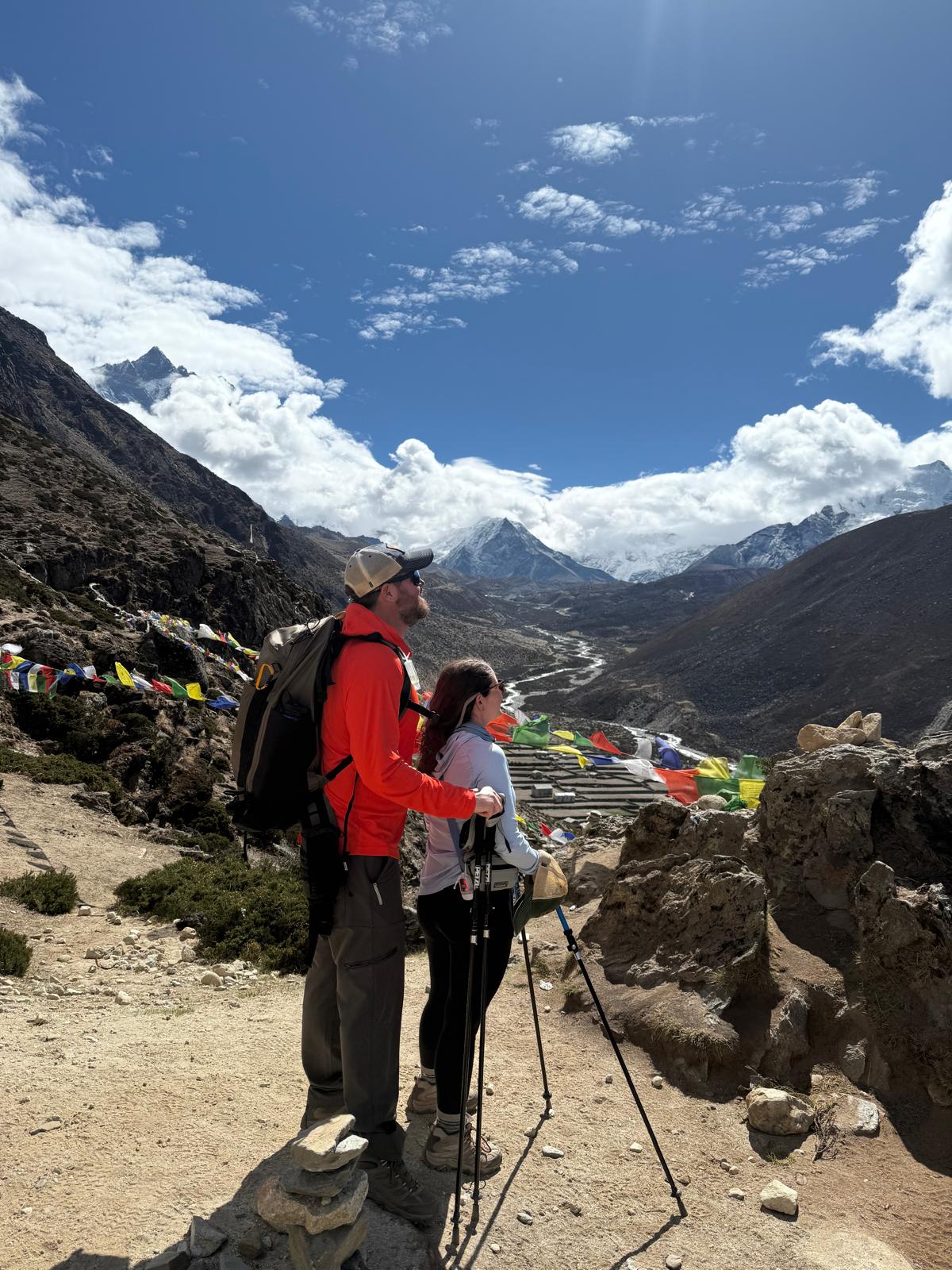
An acclimatization schedule is a planned ascent profile that keeps sleeping-altitude gains under 500 m per day above 3,000 m with rest days built in, and each Nepal trekking route has its own schedule tuned to its altitude curve.
5 min read
 Guide
Guide Altitude
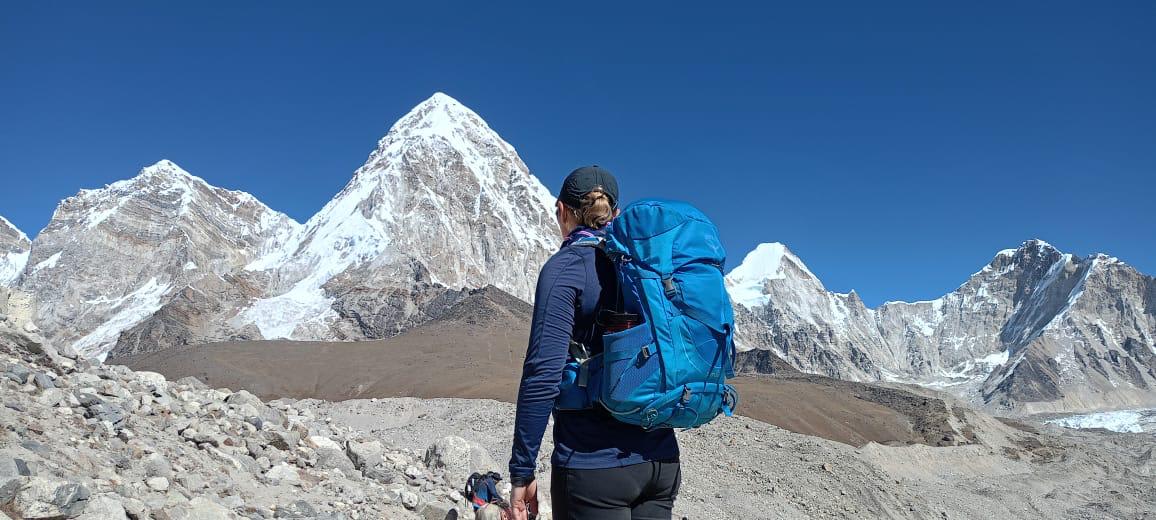
Acute mountain sickness (AMS) is the mild form of altitude illness caused by ascending faster than the body adapts to reduced oxygen, and its prevention rests on a sleeping-altitude rule of no more than 500 m per day above 3,000 m.
5 min read
 Comparison
 General
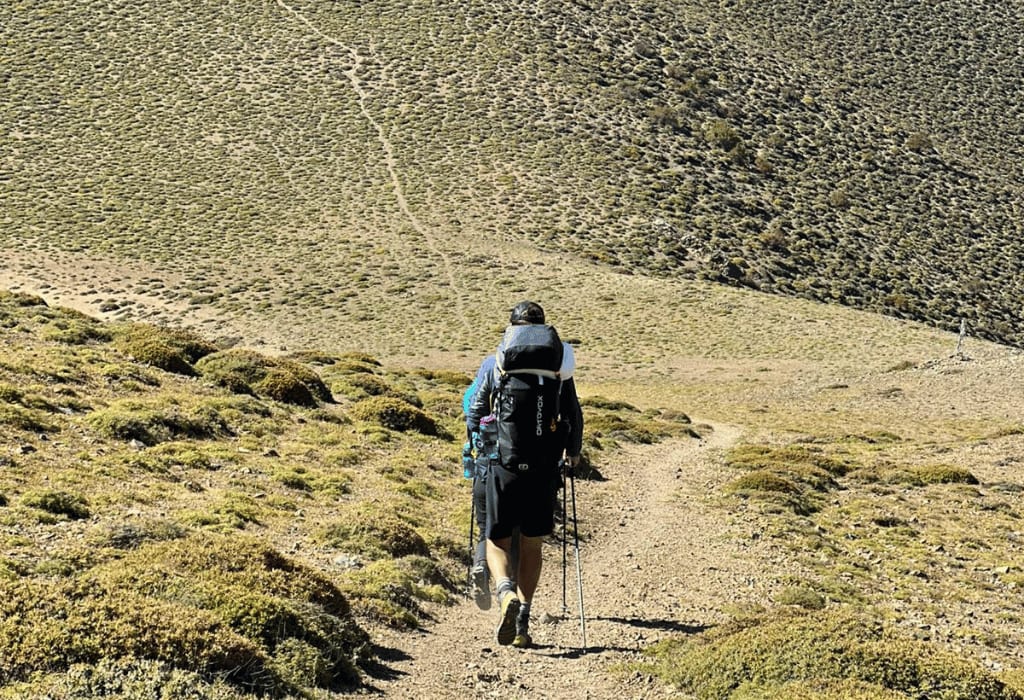
The Annapurna Circuit and the Manaslu Circuit are Nepal's two classic Himalayan circuit treks, each crossing a high pass on a teahouse trail, differing chiefly in permit system, altitude, and how many other trekkers share the route.
5 min read
 Comparison
 General
The Annapurna Yoga Trek and the Pokhara Wellness Retreat are this site's two wellness programs: a 7-day moving trek pairing twice-daily yoga with foothill walking, and a 5-day fixed-base retreat beside Phewa Lake at 822 m with no walking commitment.
6 min read
 Guide
Guide Seasons
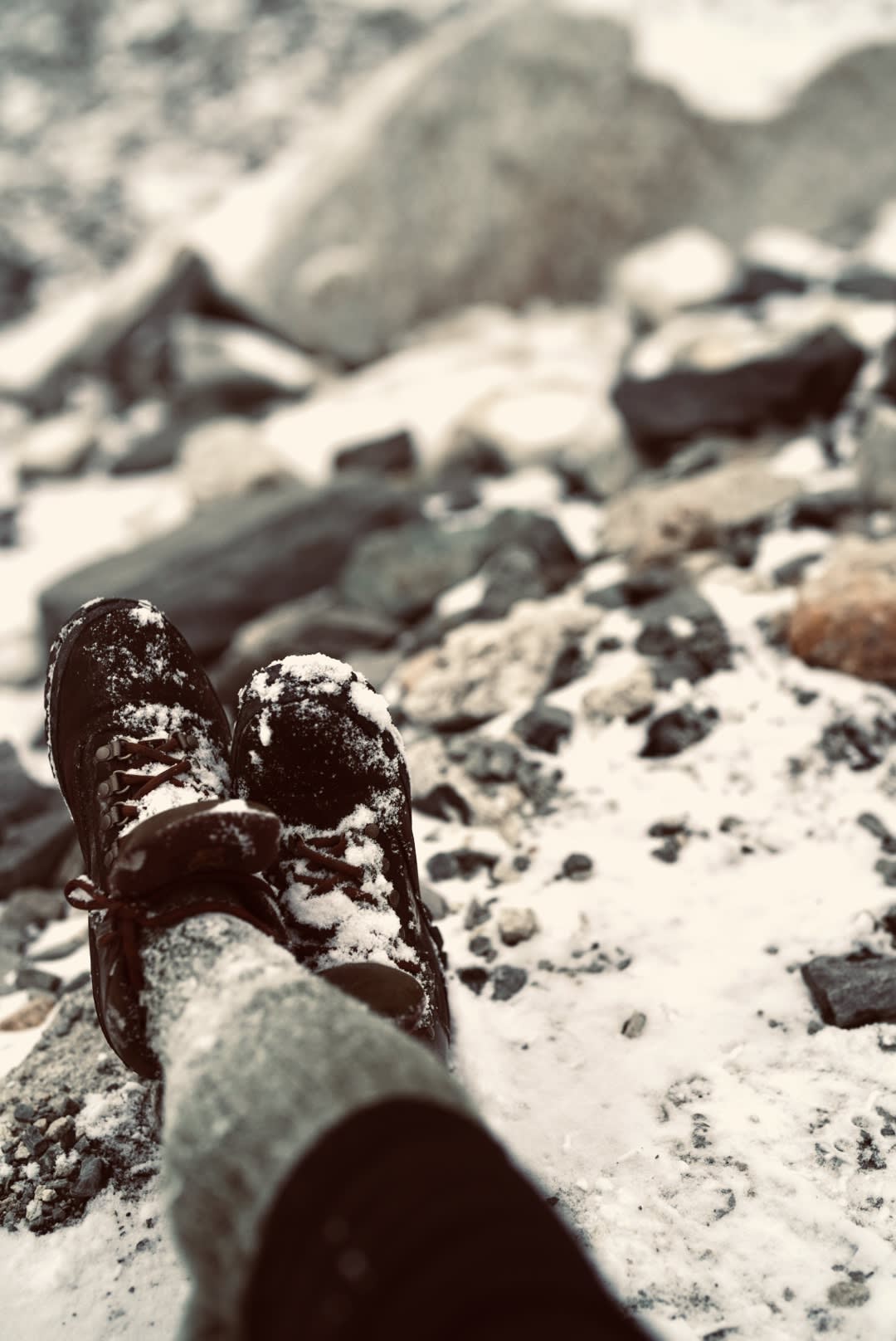
Everest Base Camp in winter runs from December through February on the same 12-day itinerary as autumn and spring, with fewer open teahouses above Dingboche, more reliable morning Lukla flights, and the clearest long-range mountain views of the year.
4 min read
 Guide
Guide General
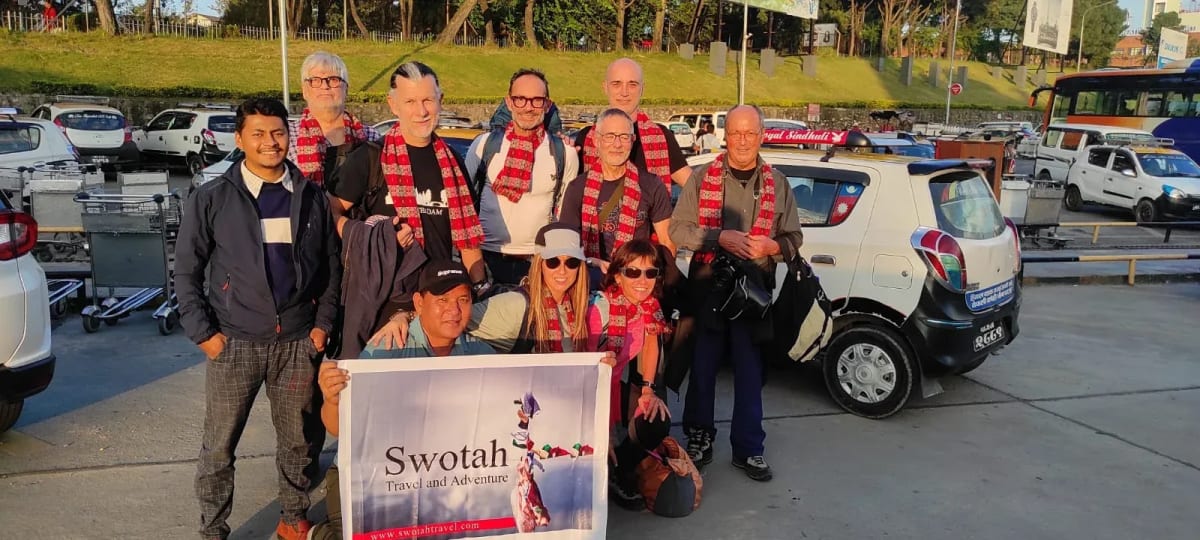
No single controlled study tracks a Nepal-wide Everest Base Camp completion rate, but the two documented factors that turn trekkers back, acute mountain sickness above 3,000 m and Lukla flight delays, are both well tracked individually, and a disciplined acclimatization schedule addresses the larger of the two directly.
5 min read
 Comparison
 General
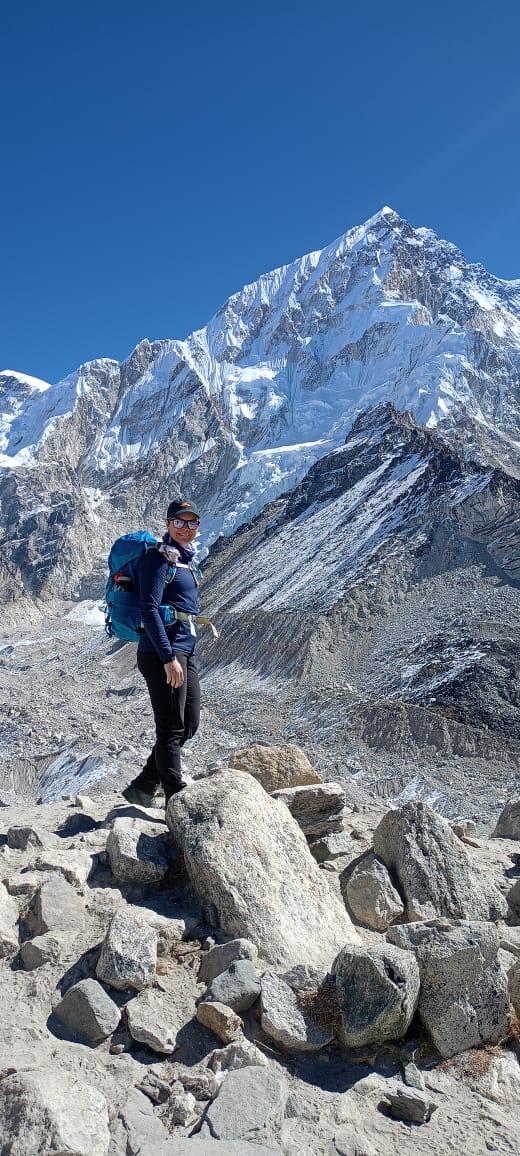
Everest Base Camp and Annapurna Base Camp are Nepal's two flagship base-camp treks, differing chiefly in altitude, duration, cost, and how you get there, EBC by a mountain flight to Lukla and ABC by a road drive from Pokhara.
6 min read
 Comparison
 General
The Everest Base Camp Trek and its helicopter-return version cover the same 5,364 m base camp and 5,545 m Kala Patthar, differing chiefly in the return leg: 12 days of walking both ways against 9 to 10 days that swap the descent for a 40-minute flight.
6 min read
 Guide
Guide General
Everest's mountaineering record book starts with Tenzing Norgay and Edmund Hillary's confirmed first summit on 29 May 1953 and runs through firsts for women, solo climbers, oxygen-free ascents, and the most summits by one person, a record still held and extended today by a Sherpa climber.
4 min read
 Guide
Guide General
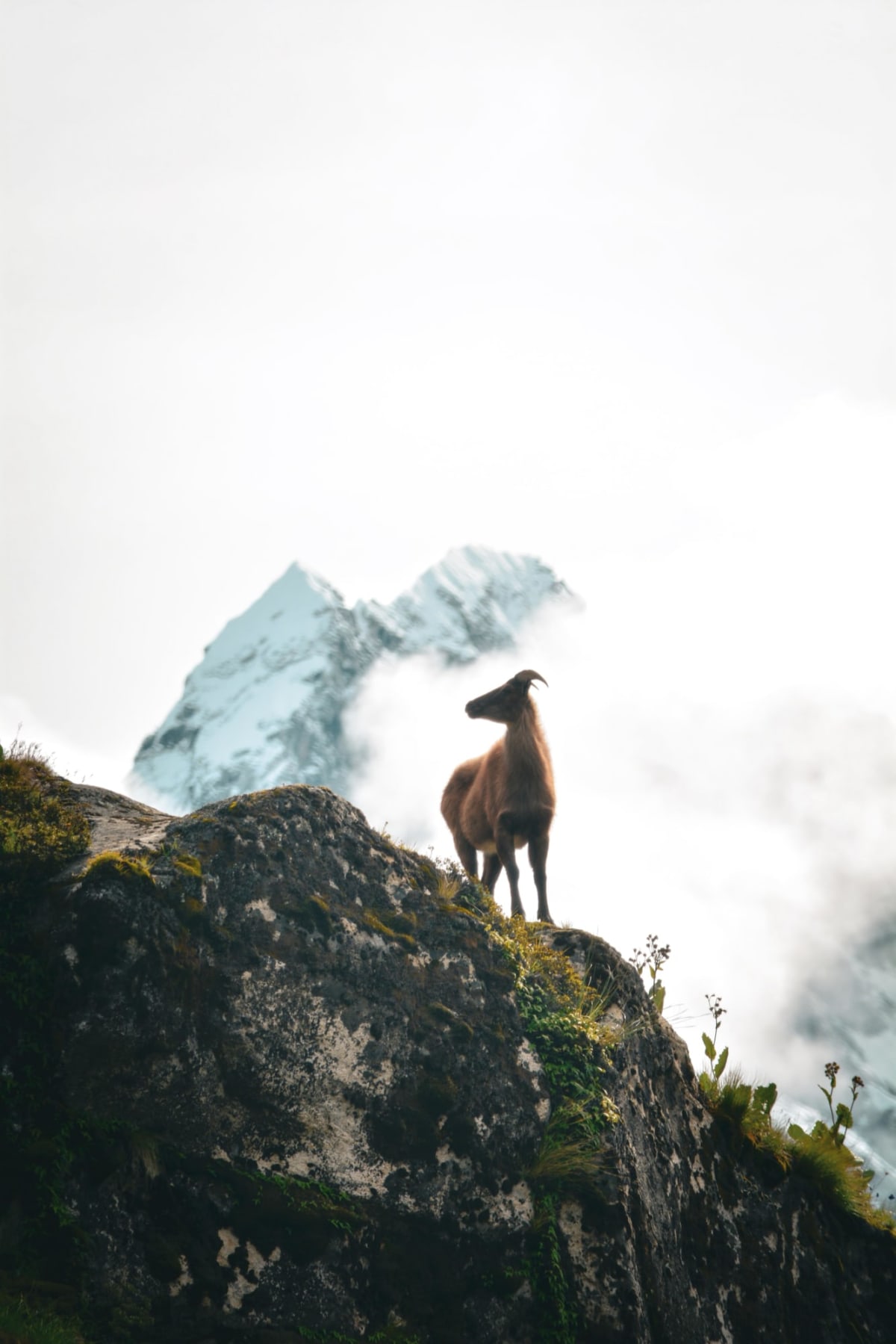
Sagarmatha National Park, the UNESCO World Heritage Site covering the Everest trekking region, holds the Himalayan tahr as its most commonly sighted large mammal, plus musk deer, red panda, and an elusive snow leopard population that almost no trekker ever actually sees.
4 min read
 Comparison
 General
The Everest and Annapurna regions are Nepal's two flagship trekking destinations, differing at the region level in access (a Lukla mountain flight against a Pokhara road drive), permit system, cost tendency, and the range of difficulty each region's routes cover.
6 min read
 Guide
Guide General
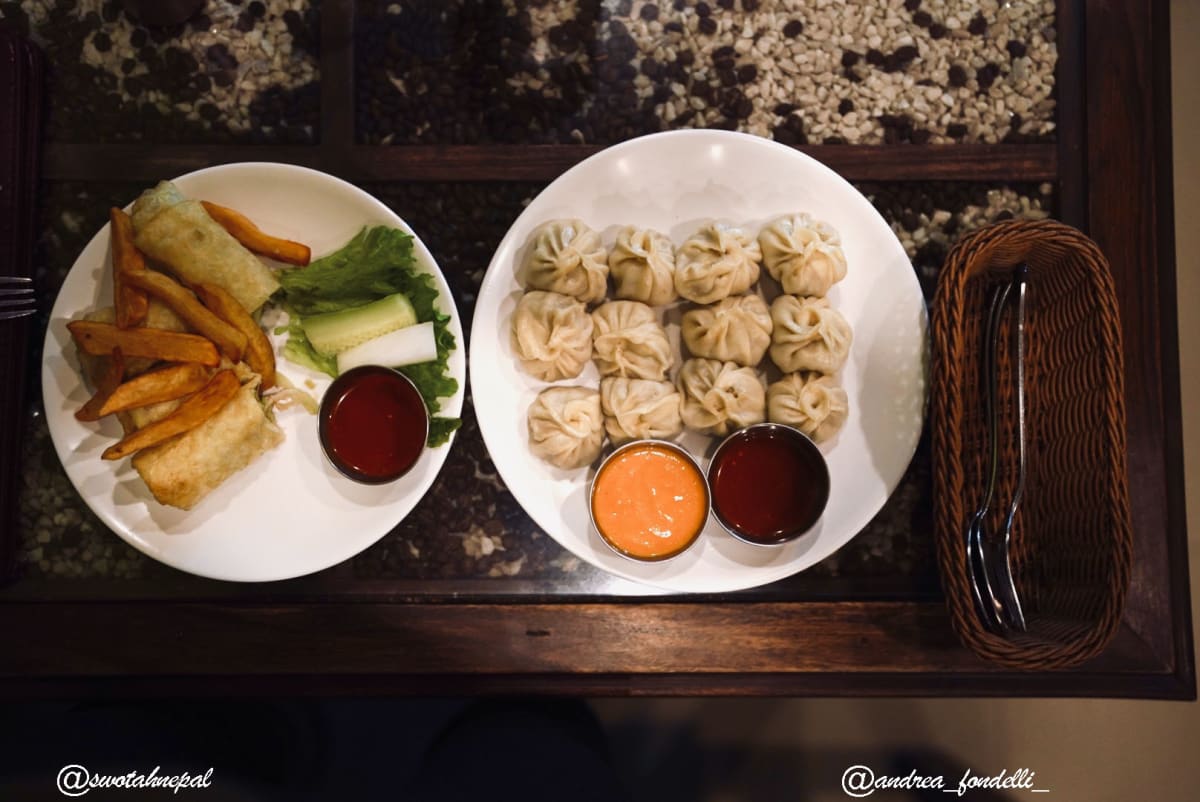
Dal bhat is Nepal's national meal, a plate of lentil soup, steamed rice, and vegetable curry served with an unlimited refill policy at nearly every teahouse on every trekking route in the country.
4 min read
 Comparison
 General
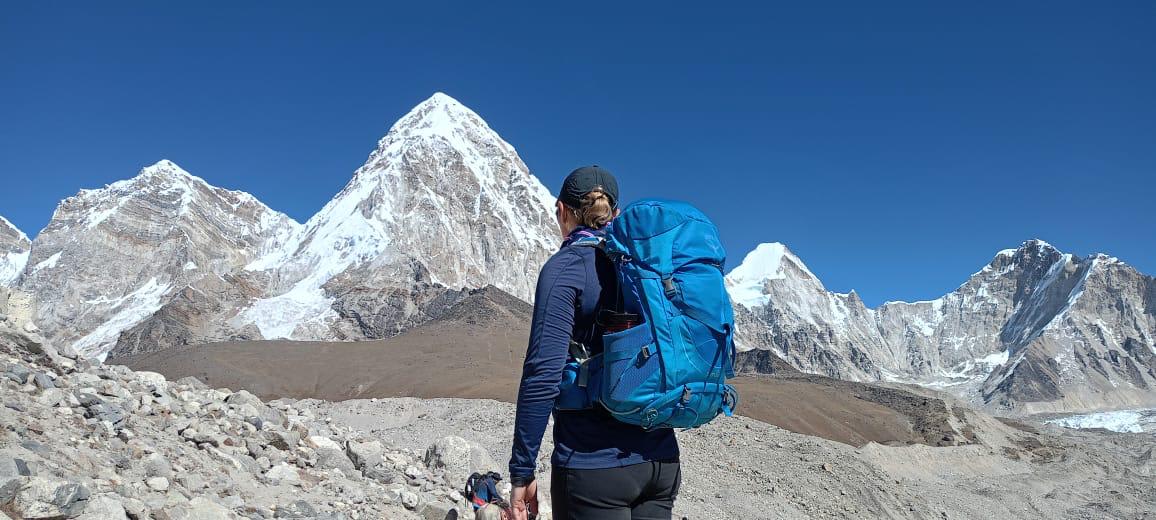
The Gokyo Lakes Trek and the Everest Three Passes Trek share the same Khumbu valley, but Gokyo is a 12-day lake-focused route with no technical pass while Three Passes is an 18-day circuit that adds Everest Base Camp and three passes above 5,300 m, including the Gokyo valley itself.
6 min read
 Guide
Guide Altitude
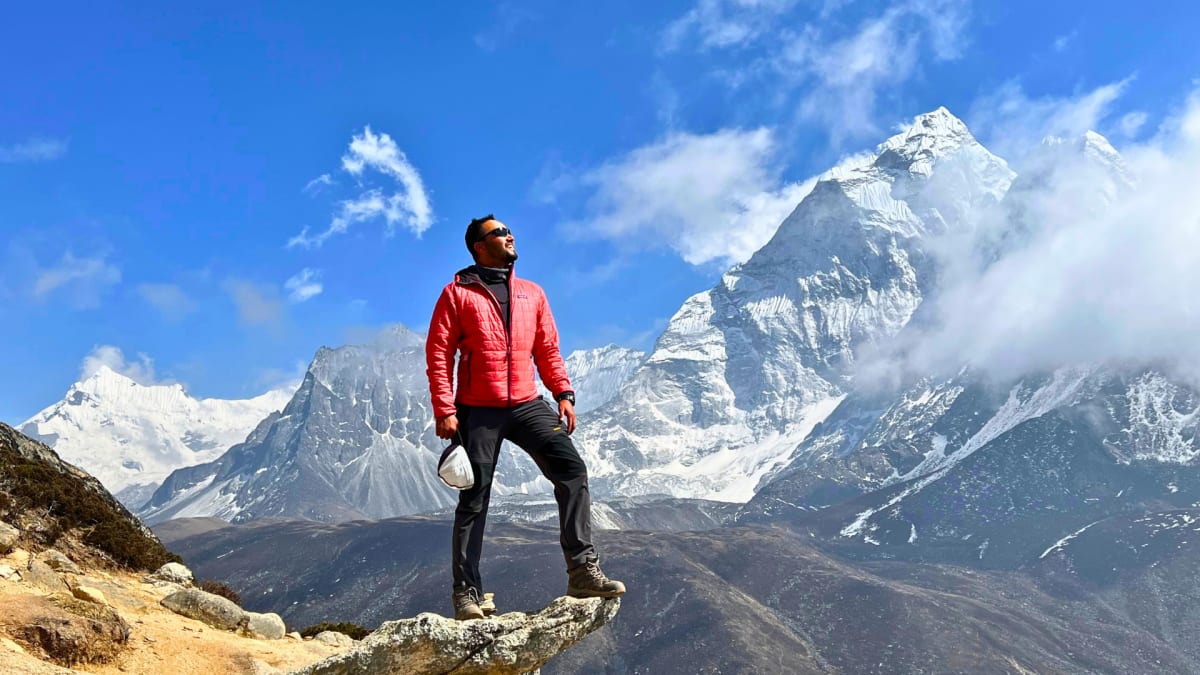
Helicopter evacuation insurance coverage is travel insurance that pays for a helicopter rescue and medical evacuation from altitude, and for Nepal treks it must cover the maximum elevation of your route, since a rescue from the Khumbu can cost USD 2,000 to 6,000.
5 min read
 Guide
Guide Costs
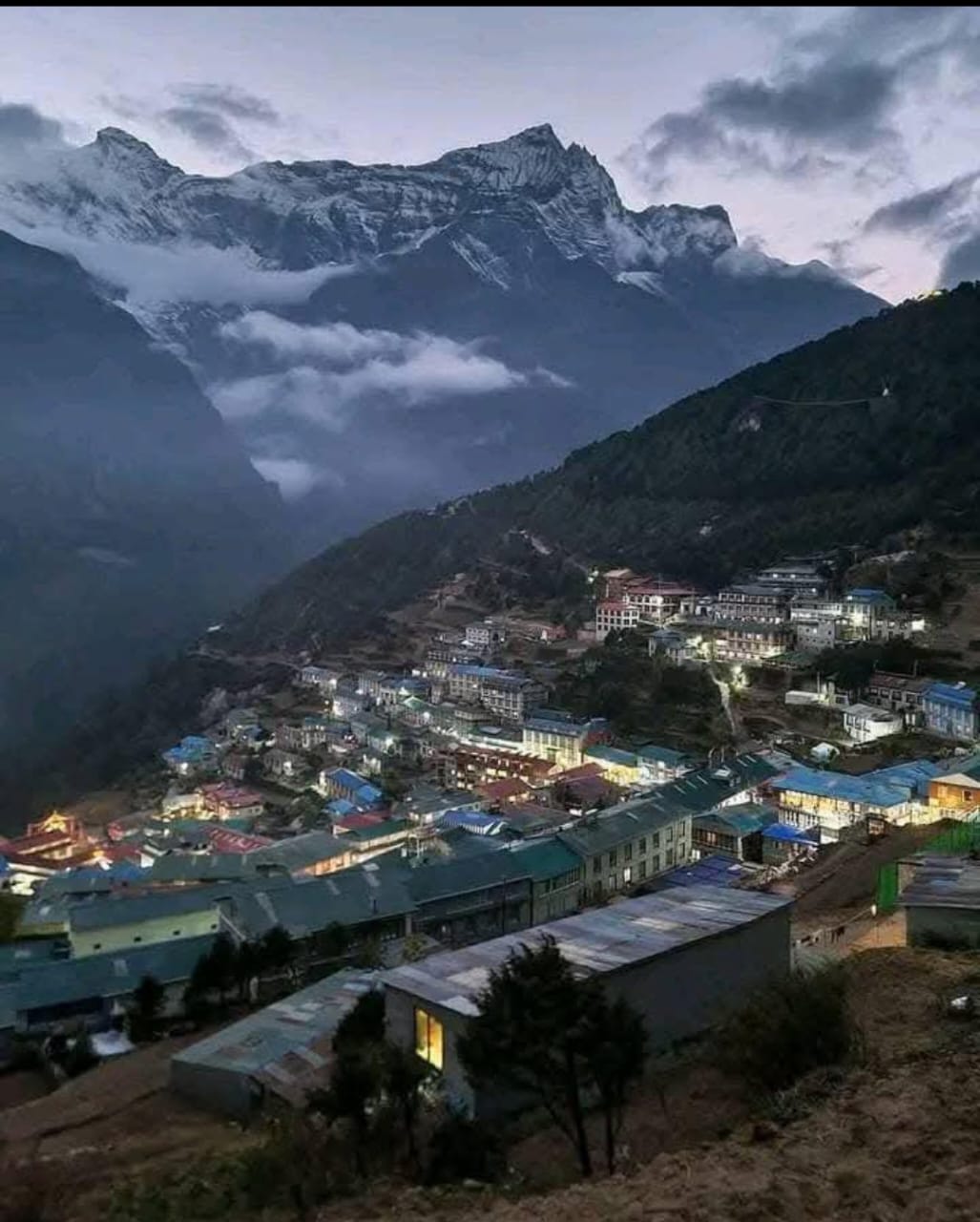
A guided Nepal trek costs USD 350 to 2,900 per person in 2026 depending on route, length, and whether a mountain flight or restricted-area permit is involved, with permits, flights, and guide and porter wages the fixed costs behind every quote regardless of which operator sells it.
4 min read
 Guide
Guide General
The Everest Base Camp Trek is worth it for a fit trekker who wants a sunrise view of Everest's summit pyramid from Kala Patthar at 5,545 m and 12 days of high-Himalaya scenery, but it is not worth it for anyone expecting to see Everest's summit from base camp itself, since the mountain's own bulk blocks that view from 5,364 m.
4 min read
 Comparison
 General
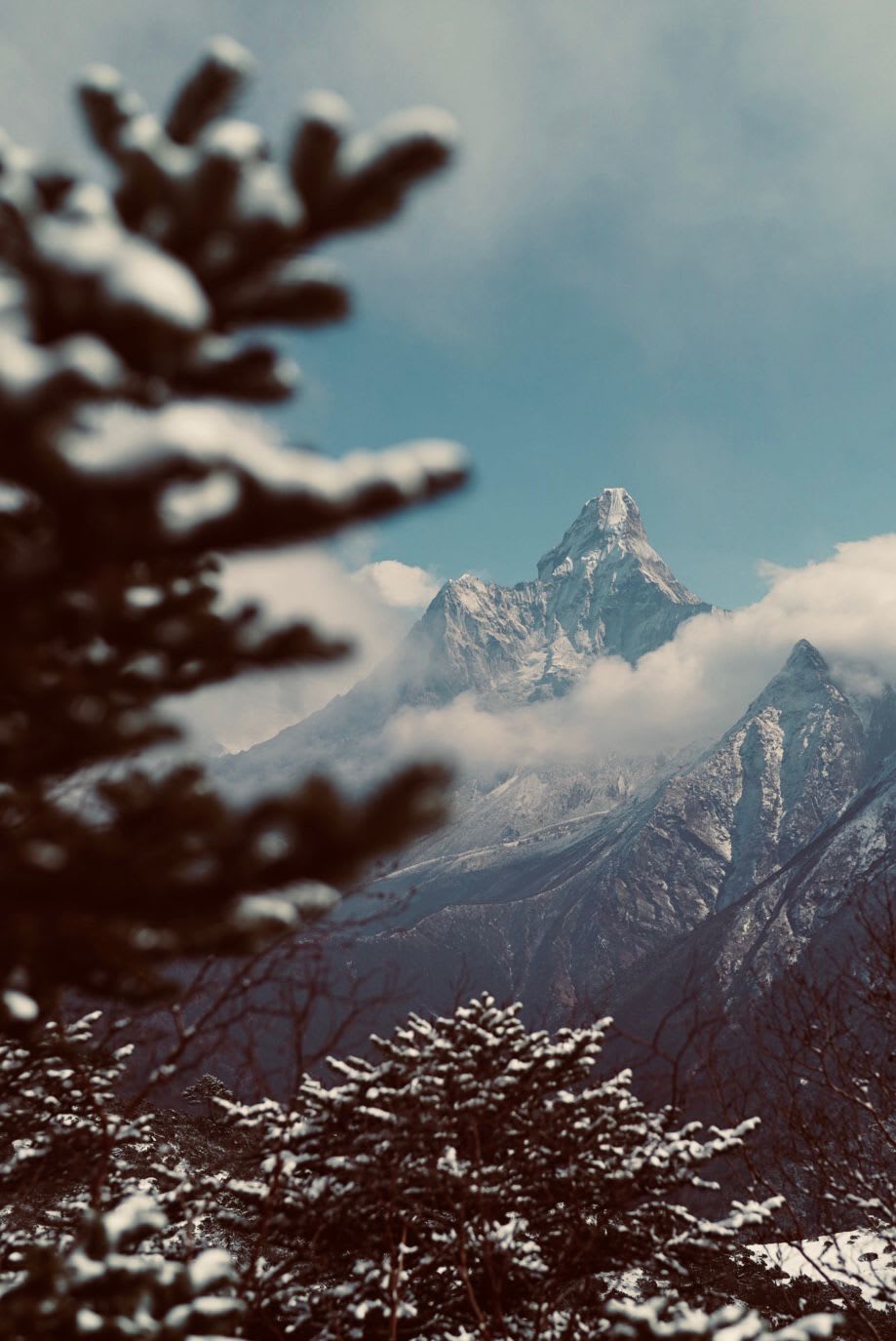
Island Peak and Mera Peak are Nepal's two most-climbed NMA trekking peaks, differing chiefly in technical demand: Island Peak's 6,189 m summit requires a fixed-rope headwall, while Mera Peak's 6,476 m summit, the highest trekking peak in Nepal, is a long snow-slope altitude test with no comparable technical crux.
6 min read
 Comparison
 General
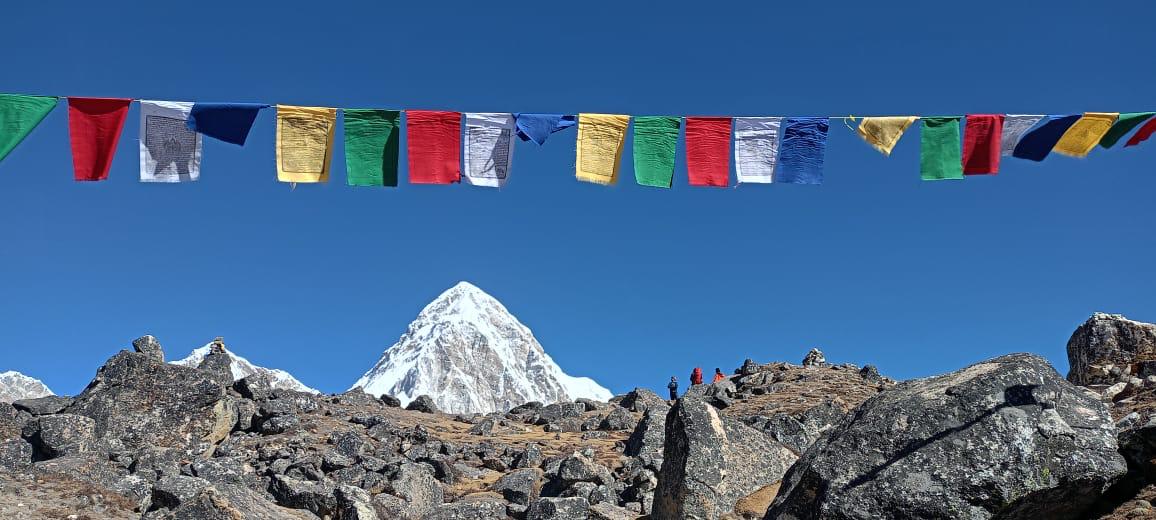
Kala Patthar (5,545 m) is a rocky viewpoint above Gorak Shep that shows Everest's actual summit pyramid, while Everest Base Camp itself (5,364 m) sits at the foot of the Khumbu Icefall with Everest's summit hidden behind Nuptse, so the two stops answer different questions and nearly every standard itinerary visits both rather than choosing one.
6 min read
 Comparison
 General
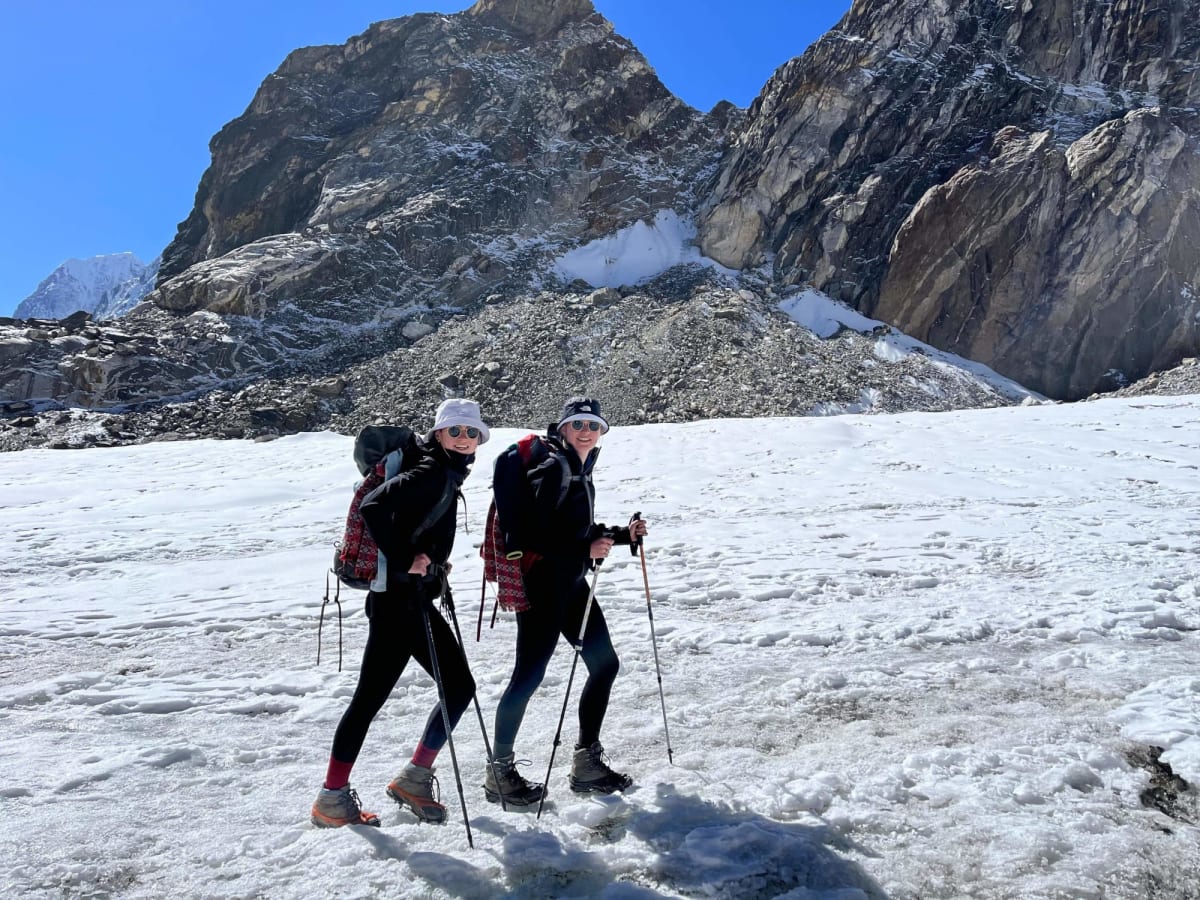
Lobuche East and Island Peak are Nepal's two closest-matched technical trekking peaks, both above 6,100 m, both requiring a fixed-rope headwall, and both approached via the Everest Base Camp trail, so the real difference between them is crowding and cost rather than difficulty.
6 min read
 Guide
Guide General
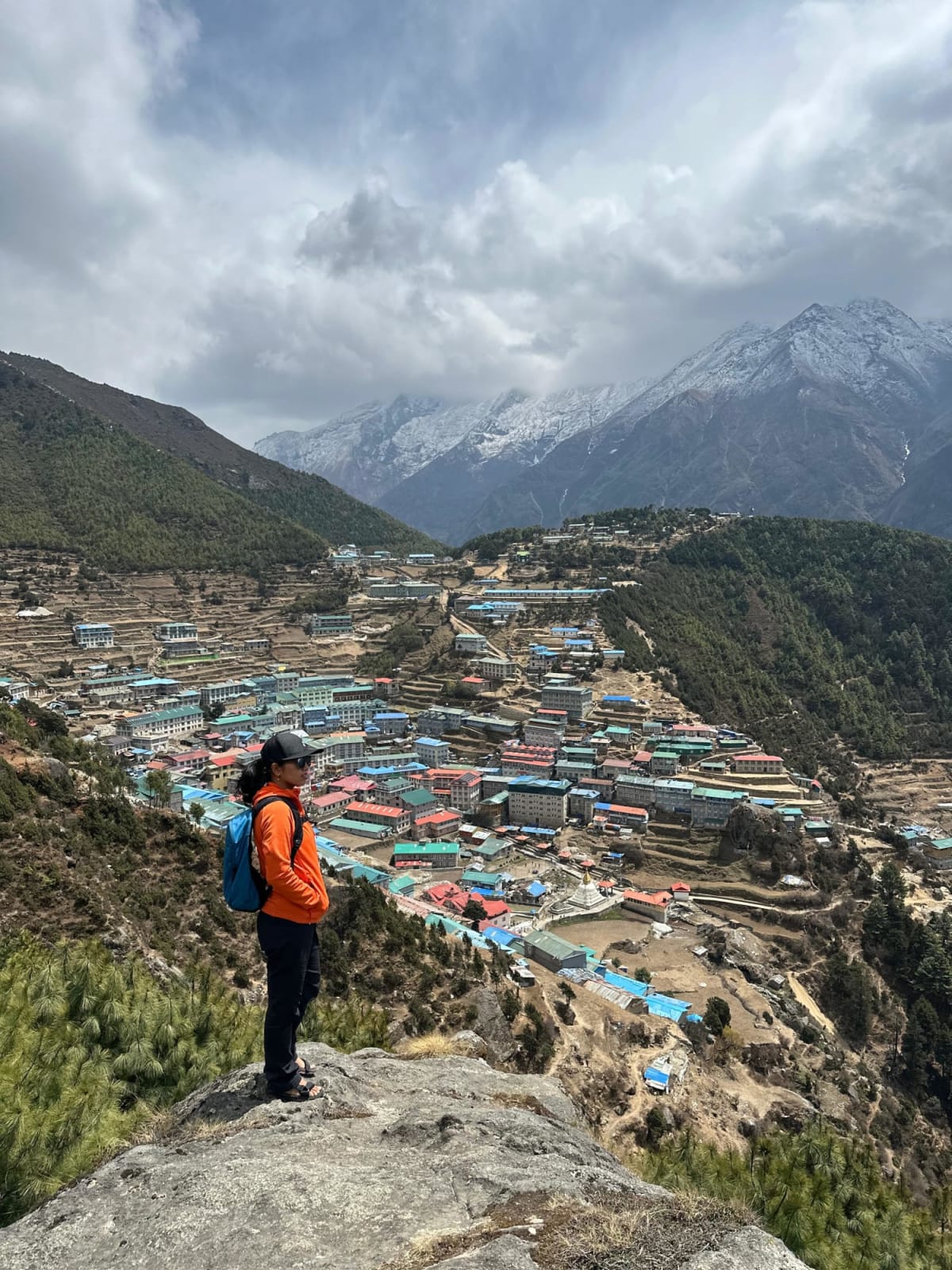
Namche Bazaar is the Khumbu's main trading town and mandatory acclimatization stop at 3,440 m, a horseshoe-shaped village of teahouses, gear shops, and bakeries that every Everest region itinerary spends at least one rest day in before continuing higher.
5 min read
 Guide
Guide General
A Nepal visa on arrival is a visa issued at Tribhuvan International Airport in Kathmandu to nationals of most countries, priced at USD 30 for 15 days, USD 50 for 30 days, and USD 125 for 90 days at 2026 rates.
5 min read
 Comparison
 General
Poon Hill and Mardi Himal are the Annapurna foothills' two short teahouse treks, Poon Hill an easy 4 day classic to a 3,210 m sunrise viewpoint and Mardi Himal a moderate 5 day ridge walk to 4,200 m that opened as a marked route only in 2012.
6 min read
 Guide
Guide General
Porter wages and welfare on Nepal treks cover the daily pay, load-weight limits, insurance, and clothing an operator provides to the crew carrying trekking gear, standards that vary widely between operators and that a trekker can and should verify before booking.
5 min read
Guide Seasons
Rain-shadow treks during monsoon are Himalayan routes in valleys the summer rains never reach, chiefly Upper Mustang and Dolpo, where the 8,000 m peaks wring the monsoon dry and leave 250 to 400 mm of annual rain against 2,000 mm to the south.
4 min read
 Guide
Guide General
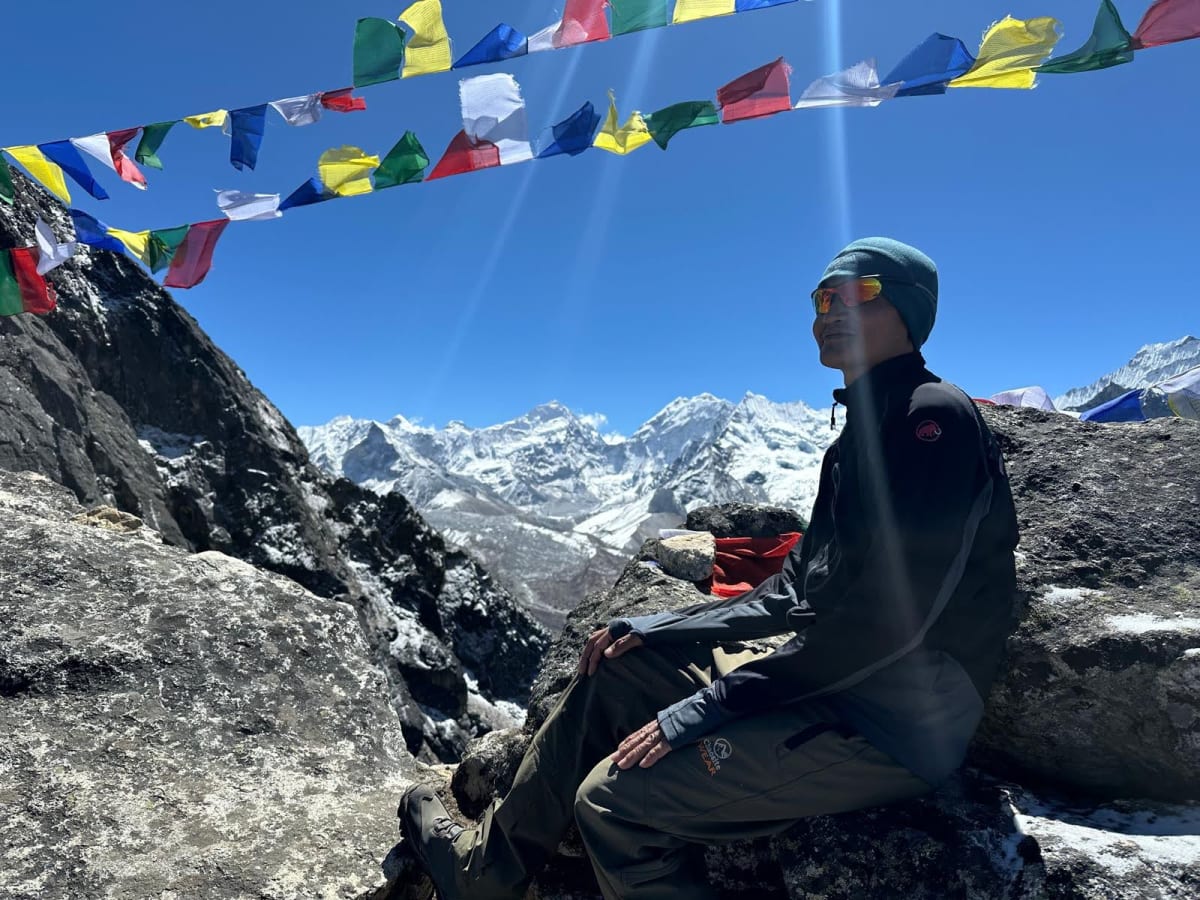
Responsible trekking at Everest Base Camp means three concrete practices: paying and equipping porters to the load and wage standards set by porter-welfare organizations, packing out non-biodegradable waste rather than relying on village disposal, and following the customs Khumbu communities actually ask visitors to follow at monasteries and mani walls.
5 min read
 Guide
Guide General
A Sherpa guide is a licensed trekking or climbing guide who belongs to the Sherpa people, an ethnic group native to the high Khumbu and Solukhumbu valleys of eastern Nepal, and the word is an ethnicity and clan name first, a job title only by extension.
5 min read
 Guide
Guide General
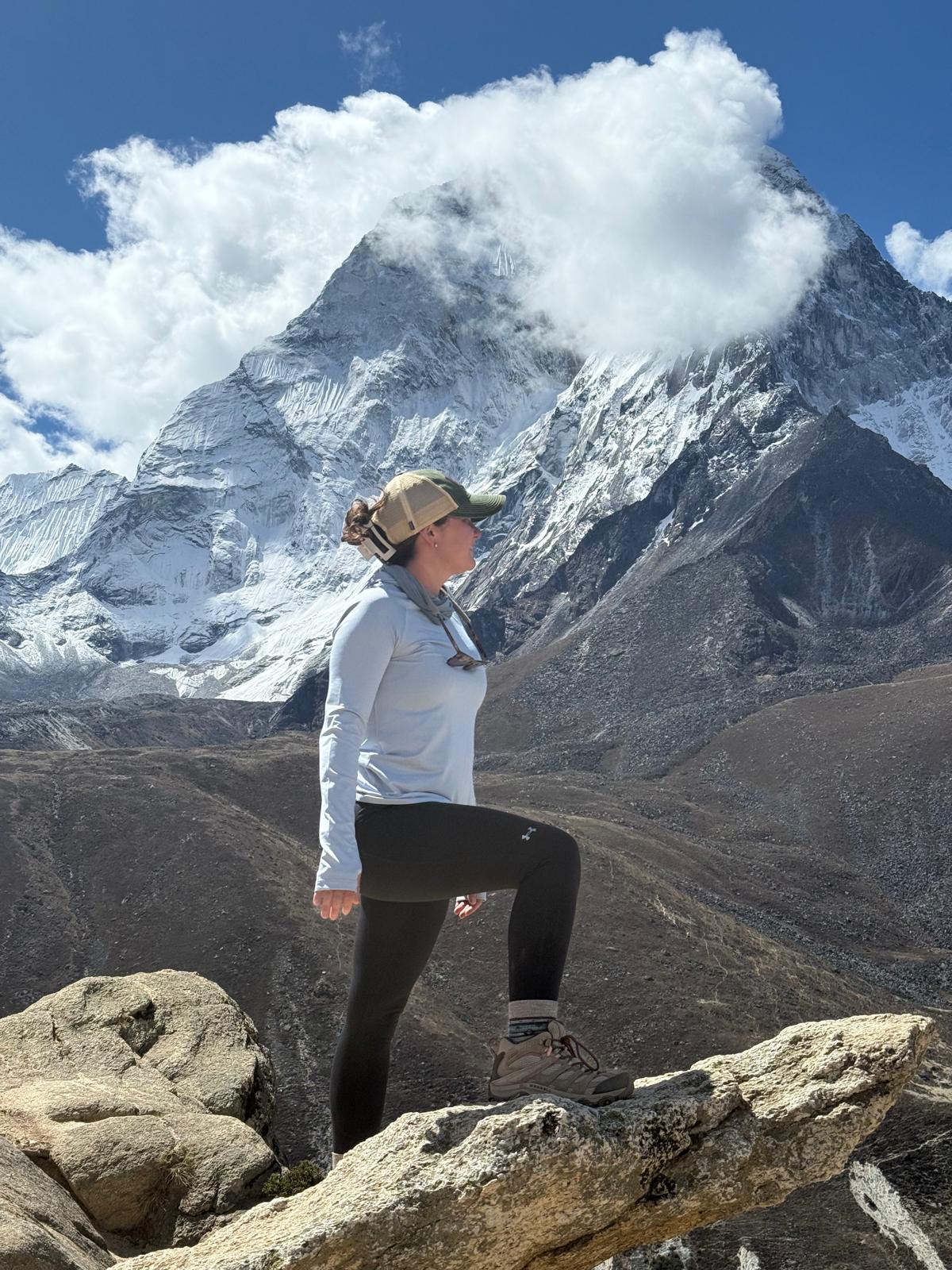
A solo female trekker on Everest Base Camp is a woman trekking the route alone or with a hired guide rather than a group, a legal option in the Khumbu since the region runs on a local municipality permit rather than the TIMS system that now mandates a guide elsewhere in Nepal.
4 min read
Guide General
Solo trekking in Nepal has been restricted on most national-park routes since April 2023, when a Nepal Tourism Board rule began requiring a licensed guide for foreign trekkers, though the Khumbu and a few local-permit areas remain exceptions.
5 min read
 Guide
Guide General
The 14 highest mountains in the world are the 8,000 m peaks known as the eight-thousanders, led by Mount Everest at 8,849 m, and eight of the fourteen sit partly or wholly within Nepal.
4 min read
 Guide
Guide Packing
A Nepal trekking packing list is a layered kit built around a sleep system rated for teahouse cold, waterproof footwear, and sun protection for high-UV, low-humidity trail conditions, with the exact items scaling by altitude and season rather than staying fixed across every route.
4 min read
 Guide
Guide General
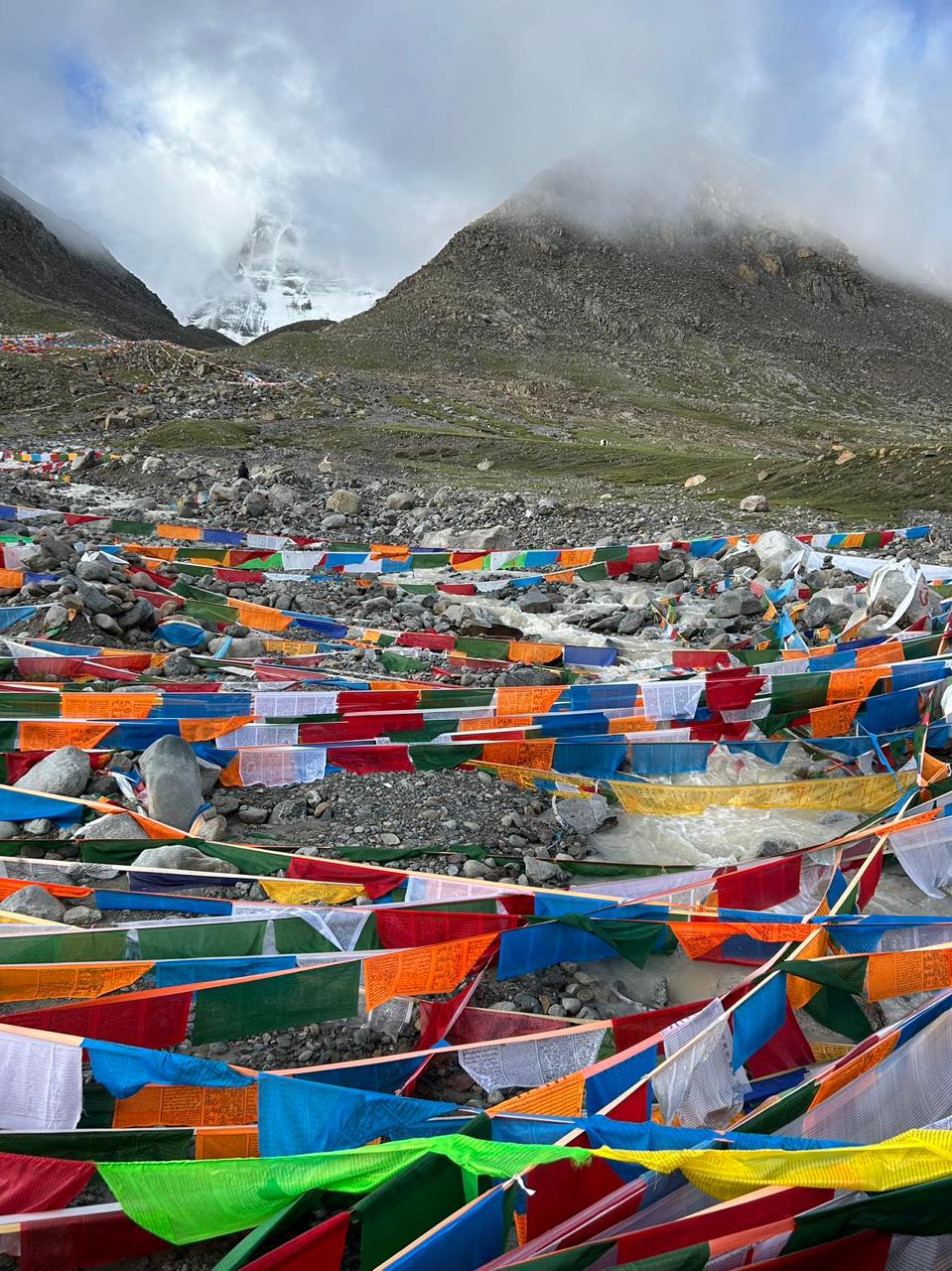
The Khumbu Glacier is the highest glacier in the world, flowing from the Western Cwm between Everest, Lhotse, and Nuptse down past Everest Base Camp itself, and published Himalayan glacier research has documented measurable thinning and retreat across recent decades.
4 min read
Guide Seasons
Trekking Nepal in autumn, from late September through November, is the country's traditionally busiest window, pairing post-monsoon clear skies with comfortable daytime temperatures across every major route.
5 min read
Guide Seasons
Spring in Nepal, from March to May, is the second of the two main trekking seasons, bringing rhododendron blooms, warming nights, and the Everest climbing crowds to base camp before the pre-monsoon haze builds in May.
5 min read
Guide Seasons
Trekking Nepal in winter, from December to February, means empty trails, the clearest views of the year, and nights to -20 C at 5,000 m, on the lower and mid-altitude routes that stay open while the high passes close.
4 min read
 Guide
Guide General
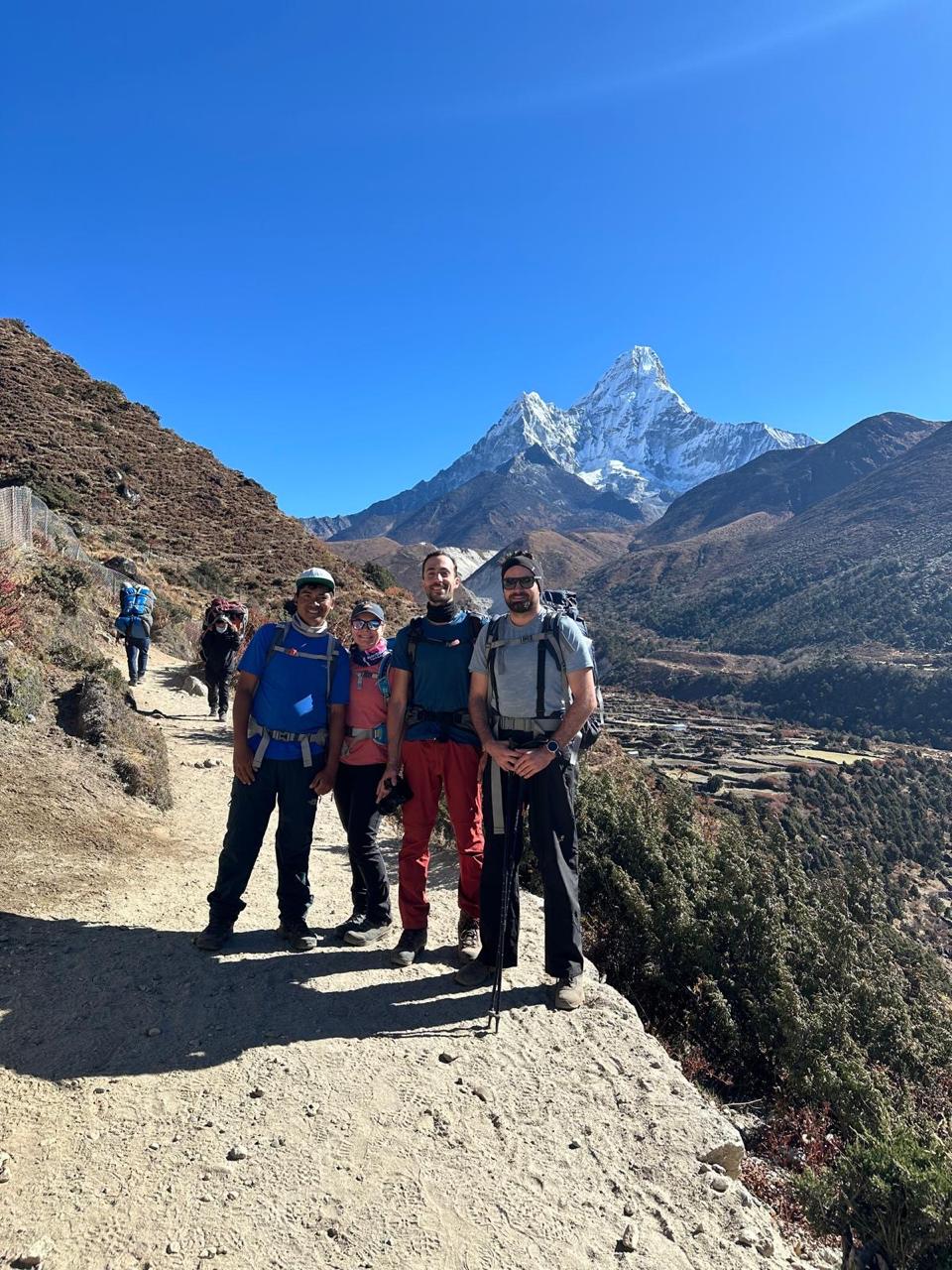
Everest Base Camp is not a recommended trek for children under about 12 to 14, since its 5,364 m maximum altitude and 6,015 m of cumulative ascent carry meaningful altitude risk regardless of a child's fitness, and families wanting a genuine Himalaya trek with younger kids are better served by a lower, shorter route like Poon Hill.
4 min read
 Comparison
 General
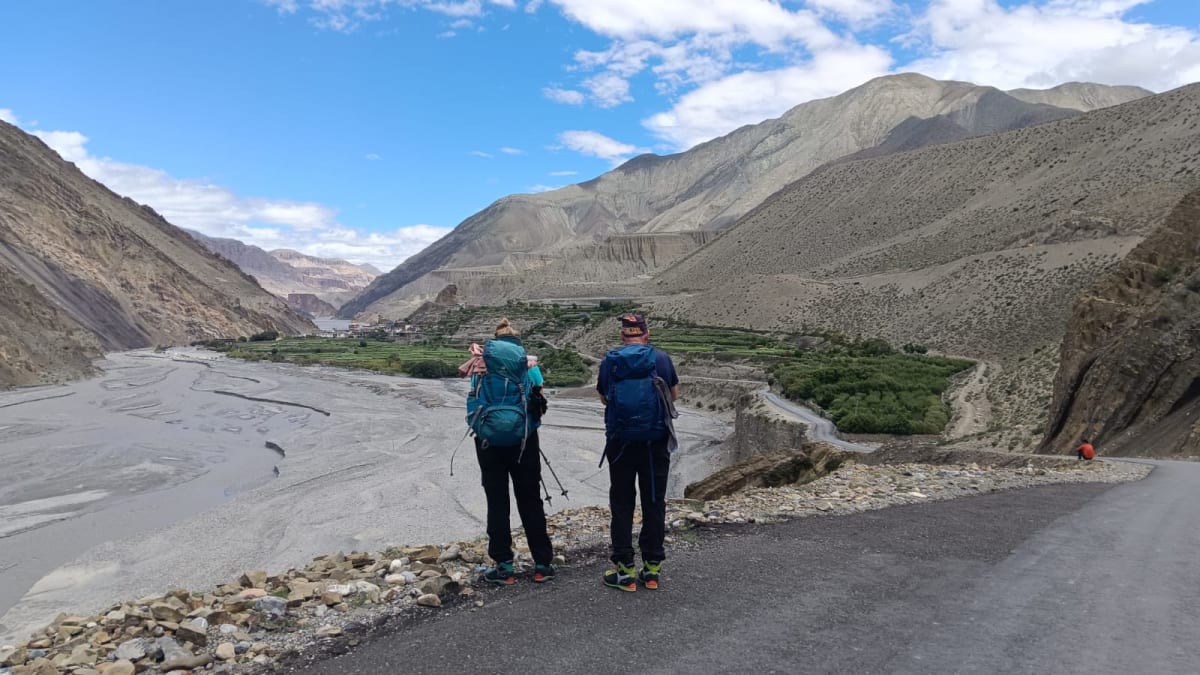
Upper Mustang and the Manaslu Circuit are Nepal's two most accessible restricted-area treks, differing chiefly in permit structure, terrain, and season: Mustang's flat USD 500 10-day permit covers a rain-shadow high desert walkable in monsoon, while Manaslu's USD 75 to 100 weekly permit covers glaciated Himalayan terrain over a 5,106 m pass that monsoon rain makes too dangerous to cross.
6 min read
 Guide
Guide General
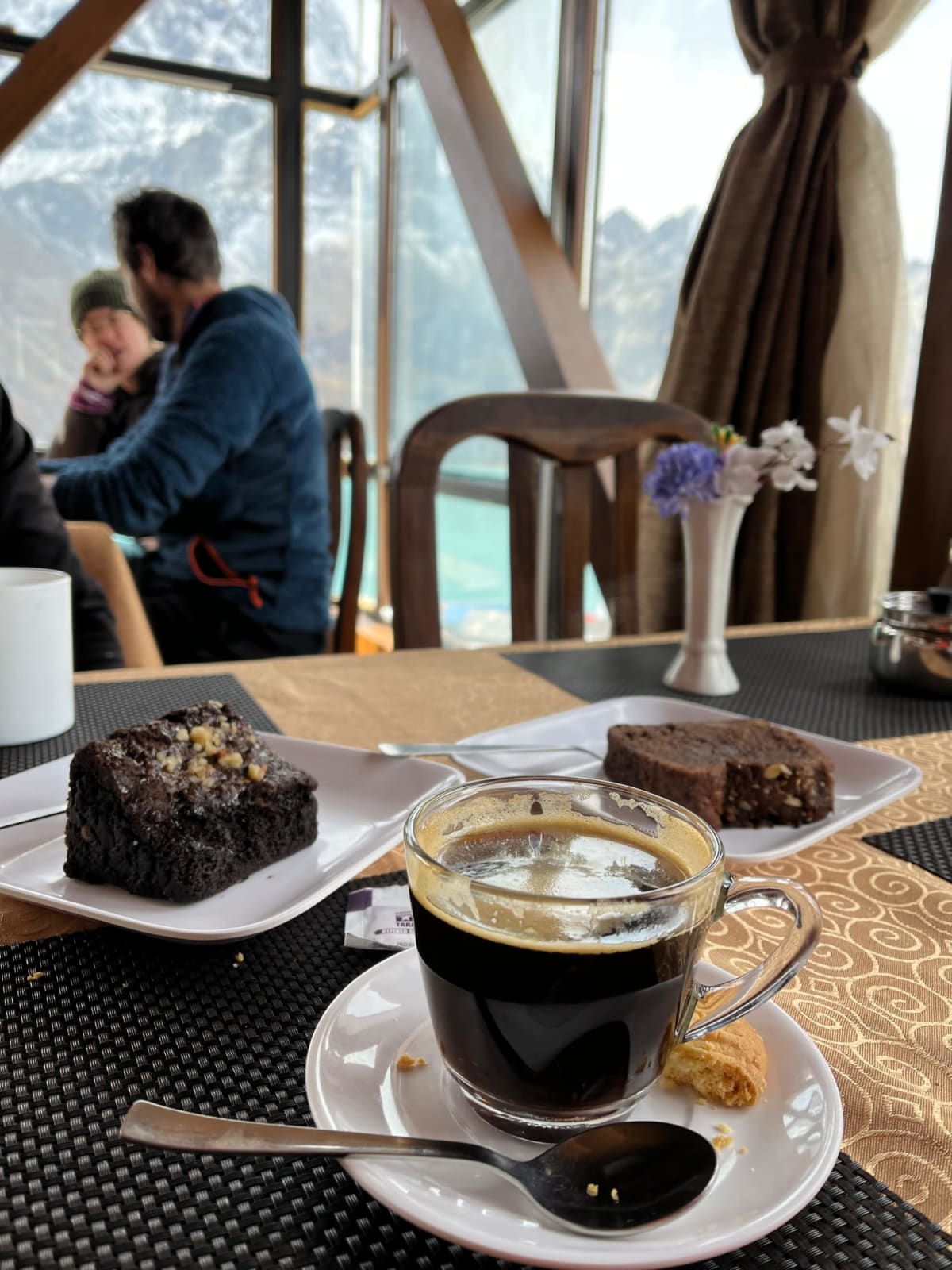
An Everest region trek runs on dal bhat and noodle soup like the rest of Nepal's teahouse routes, but the Khumbu adds Sherpa-specific dishes like shyakpa stew and tsampa porridge, Namche Bazaar's German-run bakeries, and garlic soup as a widely believed altitude folk remedy not found the same way on other routes.
5 min read
 Guide
Guide General
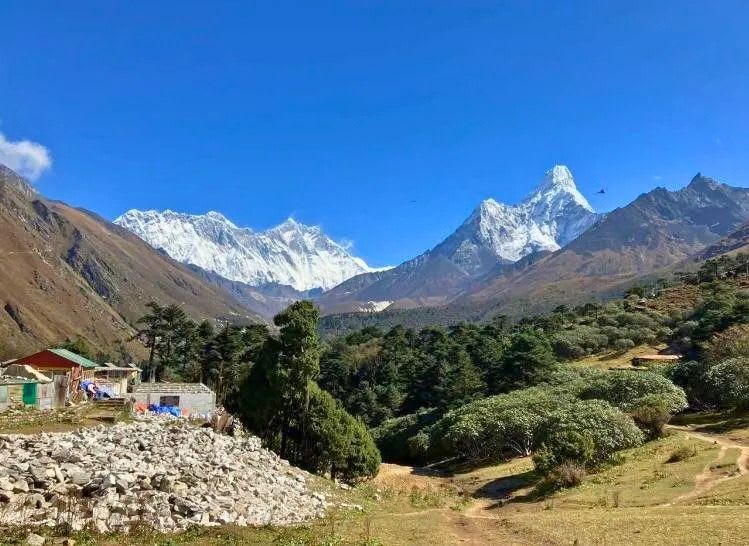
Mount Everest sits on the Nepal-China border in the Mahalangur Himal sub-range of the Himalayas, at approximately 27.99 degrees N, 86.92 degrees E, with an official height of 8,849 m confirmed by a joint Nepal-China survey in 2020.
5 min read
 Guide
Guide General
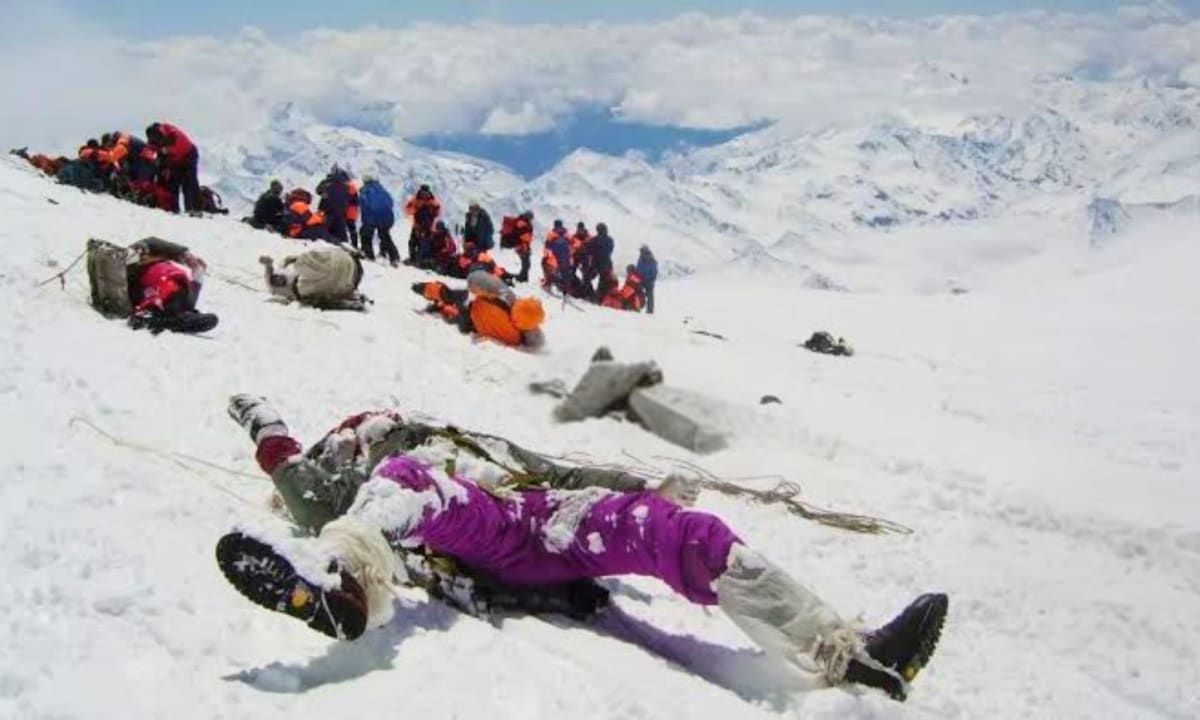
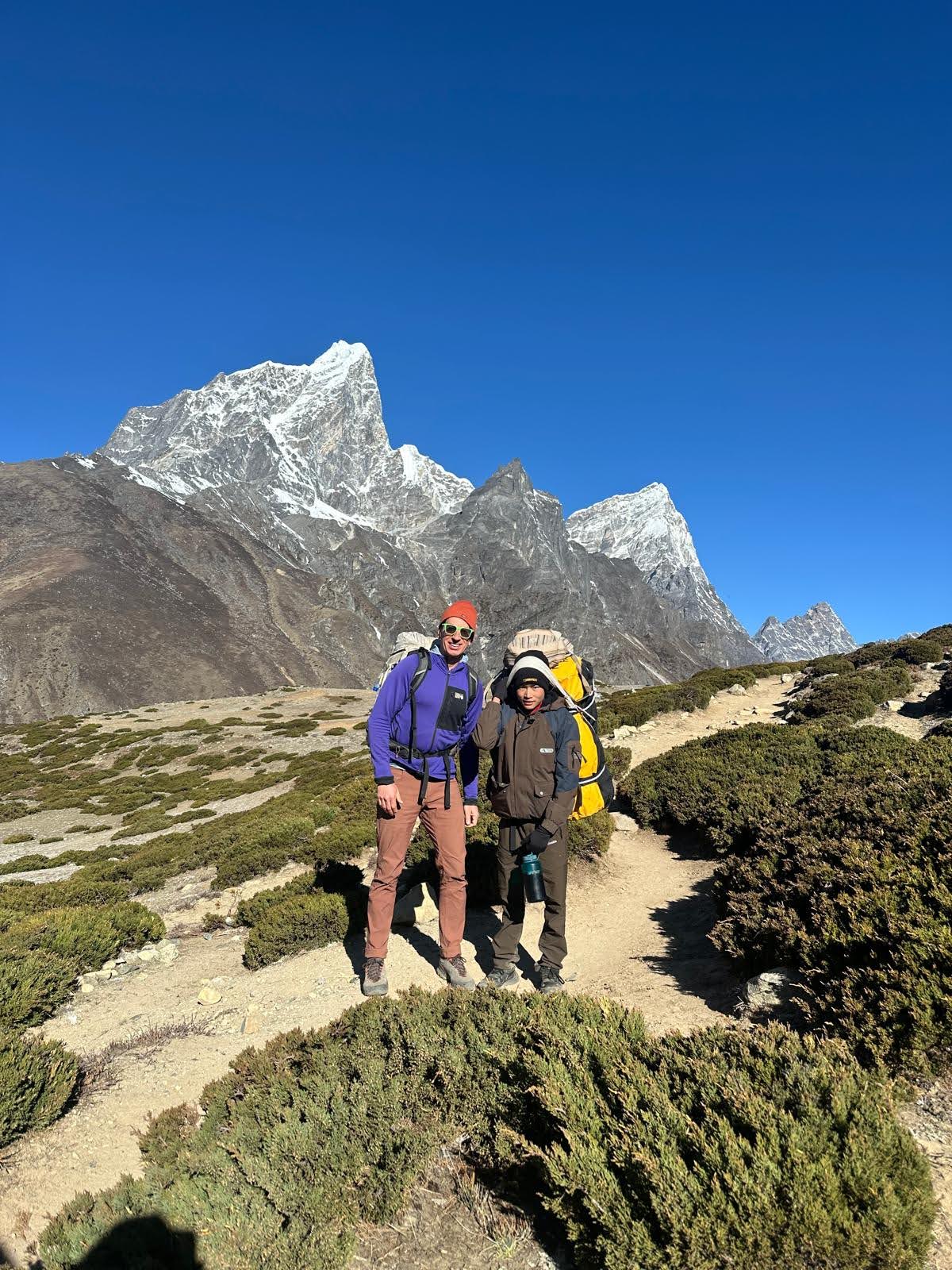
Bodies remain on Mount Everest, particularly above 8,000 m in what climbers call the death zone, because recovery at that altitude is extremely dangerous and often impossible, not because of neglect, and the practice has no bearing on the standard Everest Base Camp trek that stays thousands of metres below that altitude.
5 min read
 Guide
Guide General
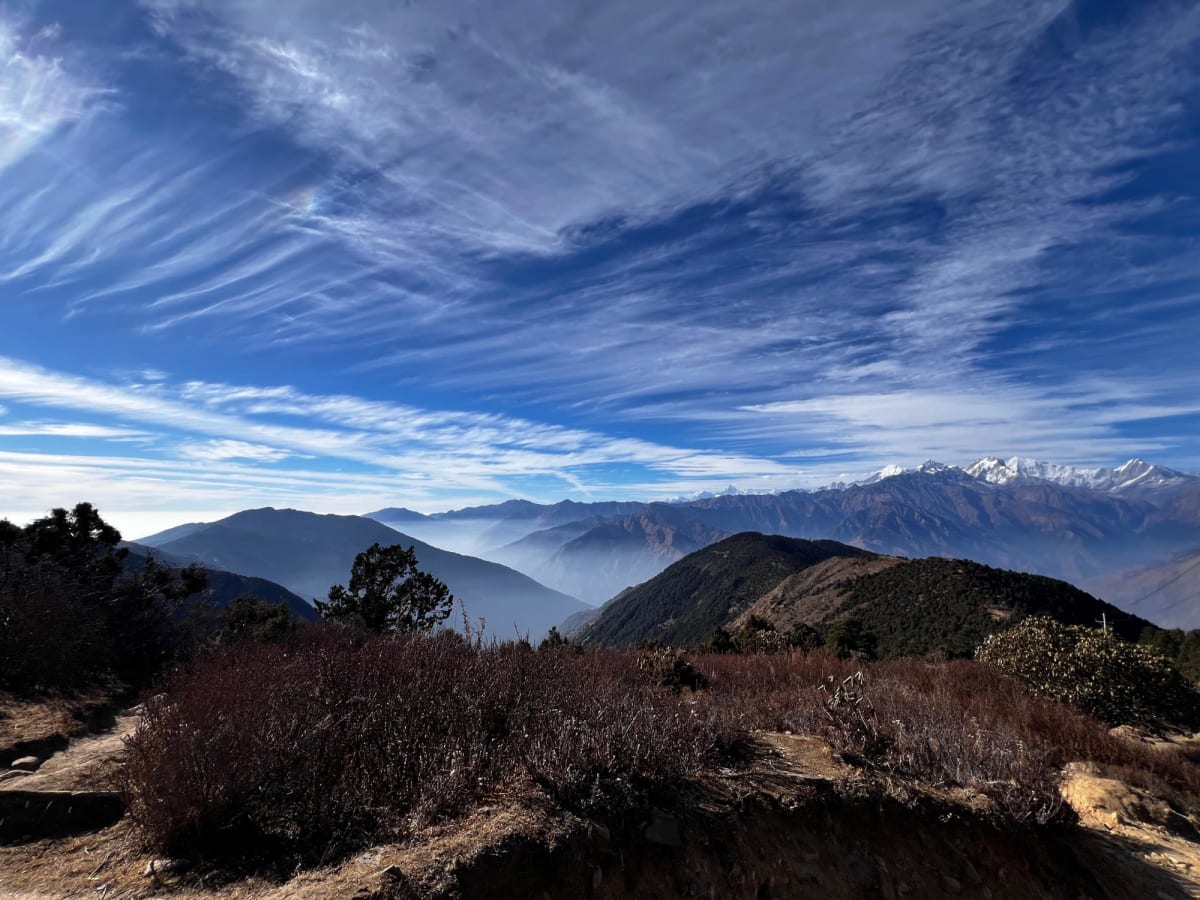
Trekkers turn back before Everest Base Camp mainly for four reasons: altitude sickness from ascending faster than the body adapts, a Lukla flight closure that eats the itinerary's buffer days, underestimated fitness demands on consecutive long walking days, and gastrointestinal illness from food or water.
5 min read