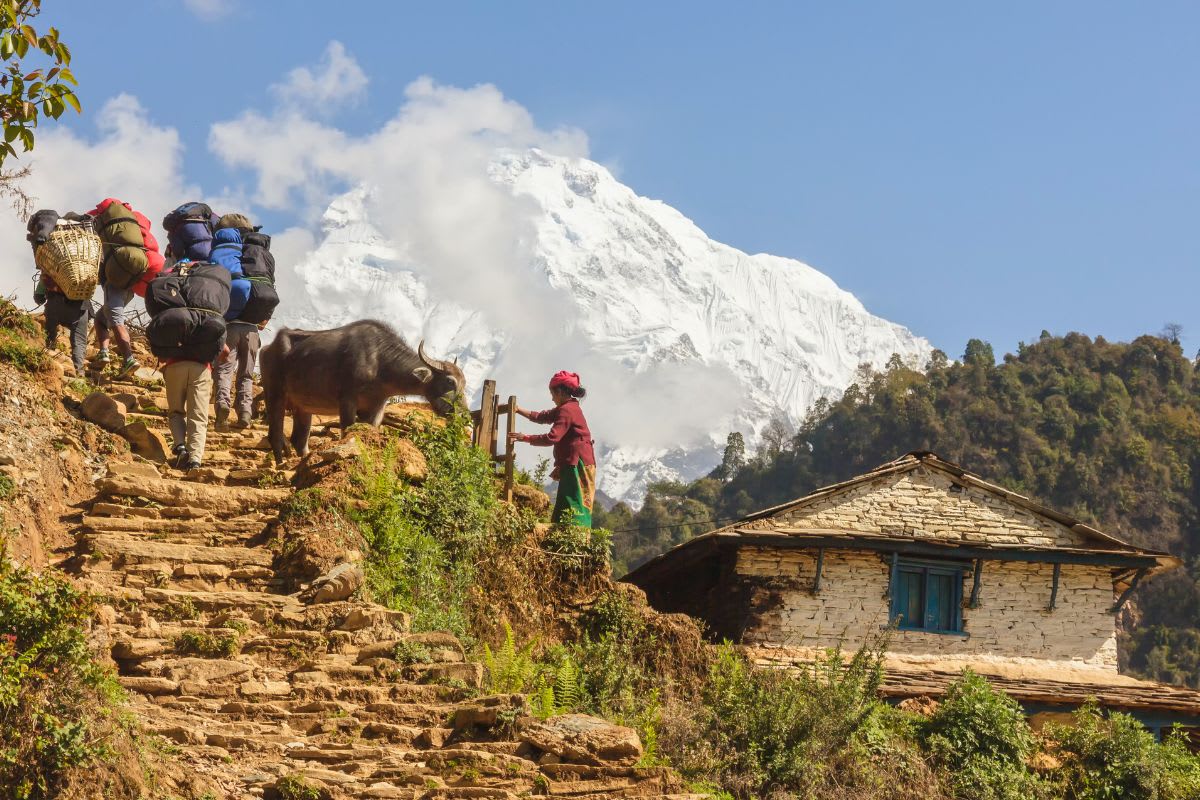
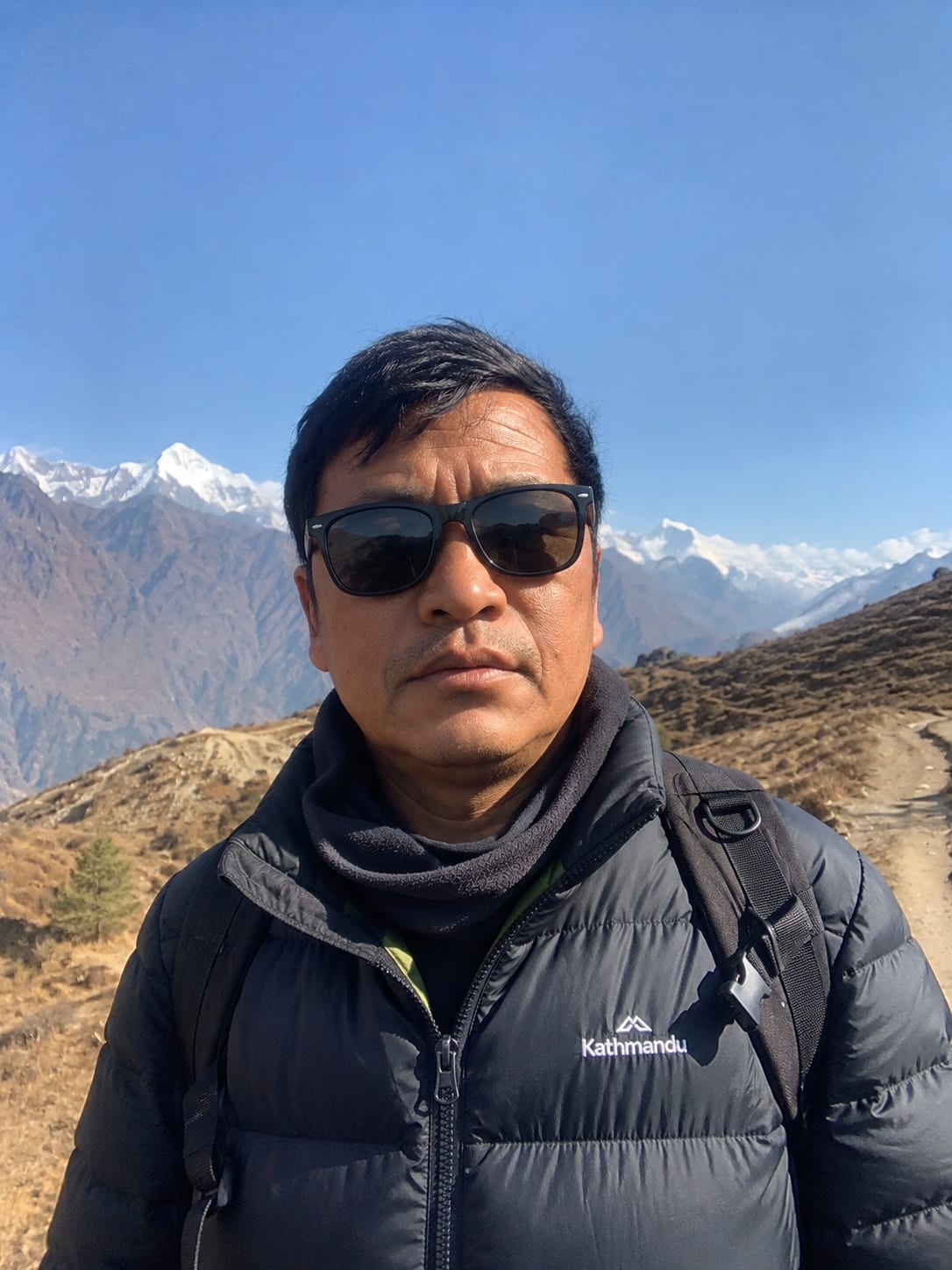
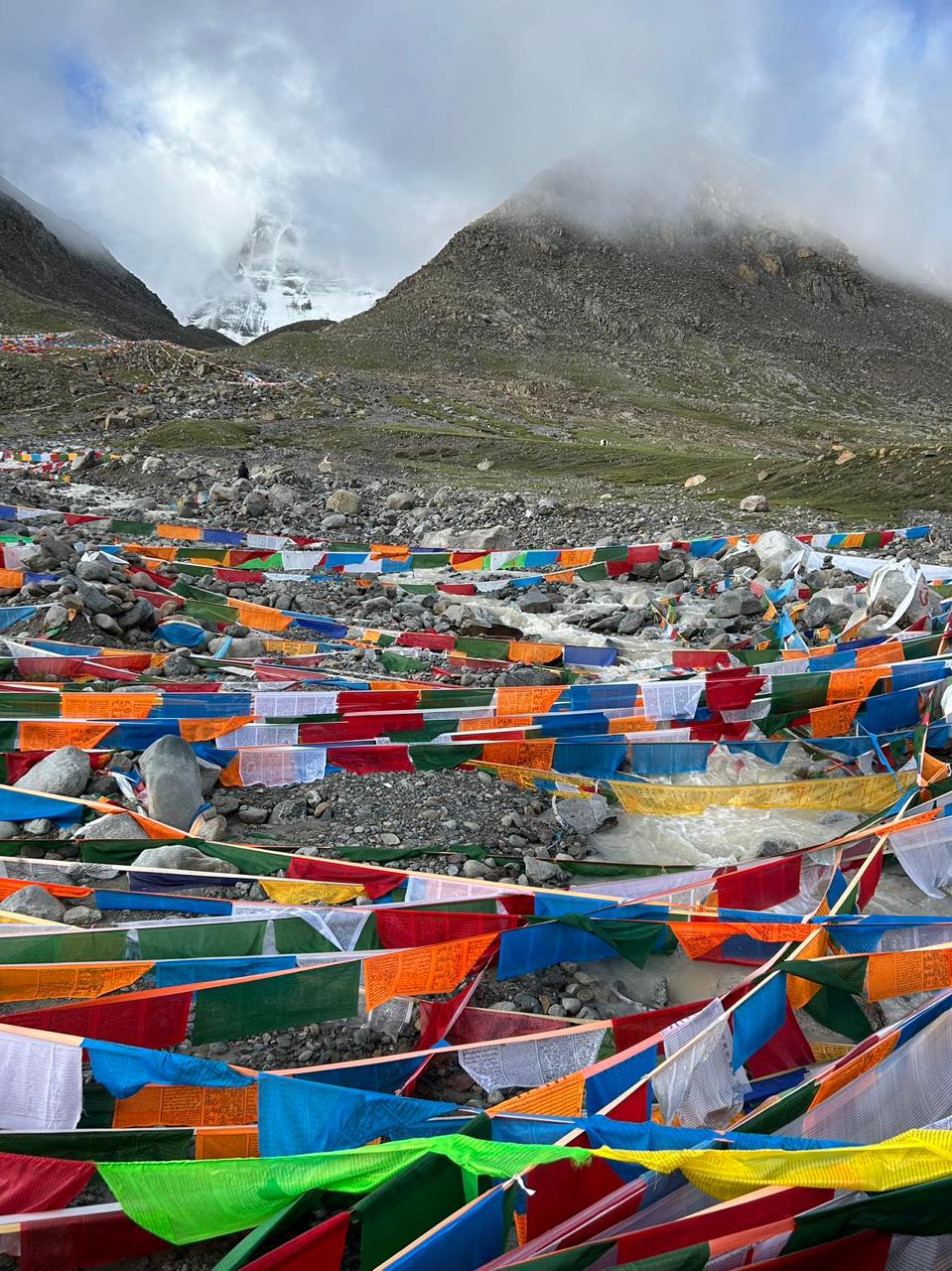
The Khumbu Glacier is the highest glacier in the world, flowing from the Western Cwm between Everest, Lhotse, and Nuptse down past Everest Base Camp itself. The notorious Khumbu Icefall, which every South Col climbing route has to cross, sits on this same glacier, and Everest Base Camp is pitched directly on its surface rather than on solid ground. Mingma Tendi Sherpa, who reviews every safety-critical page on this site, wrote this guide from the operational reality of running treks to a camp that sits on moving ice, not from a research paper.
The sections below cover what the glacier actually is, what published research says has changed, why Base Camp's own footprint shifts season to season, and what any of this means for a trekker walking there today.
In this guide 6
- 01 What is the Khumbu Glacier?
- 02 What has actually changed with the Khumbu Glacier?
- 03 Does the glacier's movement affect Everest Base Camp itself?
- 04 Does this change anything for a Base Camp trekker versus a climbing expedition?
- 05 Why does one glacier's retreat matter beyond the trekking route itself?
- 06 Is the Khumbu Glacier's retreat something trekkers should worry about before booking?
What is the Khumbu Glacier?
The Khumbu Glacier is the highest glacier in the world, originating in the Western Cwm, the high glacial valley boxed in by Everest, Lhotse, and Nuptse, and flowing down through the infamous Khumbu Icefall before leveling out near Everest Base Camp at 5,364 m. The Icefall itself is a chaotic, constantly shifting field of ice towers and crevasses formed where the glacier drops steeply through a narrow section, and it's the single most dangerous stretch on the standard South Col climbing route above Base Camp.
Everest Base Camp itself sits directly on the glacier's surface, not on bedrock, a detail most trekkers don't realize until a guide points out that the ground underfoot is ice covered in rock debris rather than solid mountainside.
What has actually changed with the Khumbu Glacier?
Published research, including work from the International Centre for Integrated Mountain Development and multiple peer-reviewed Himalayan glacier studies through the 2010s and 2020s, has documented measurable thinning and retreat in Himalayan glaciers including the Khumbu Glacier. Warming trends are cited as one contributing factor, along with changes in how the glacier's debris cover affects melt patterns in different sections. This guide states the trend at that level, a documented pattern of thinning and retreat, rather than quoting a specific rate we haven't independently verified, since exact figures vary between studies and keep being updated as more data comes in.
Trekkers researching this topic online will find far more precise-sounding numbers on other sites; treat any single exact figure with some caution unless it's directly attributed to a specific published study and date, which is the standard this guide holds itself to as well.
Does the glacier's movement affect Everest Base Camp itself?
Yes. Base Camp's exact shape and safe-camping footprint shifts somewhat season to season as the ice underneath moves and melts, since the camp sits on the glacier's surface rather than on stable ground. This is one reason Nepal's park authorities and expedition operators have discussed relocating Base Camp to a lower, more stable site in recent years, a real and publicly reported conversation that has not, as of this guide's last update, become settled policy or an actual move.
For the trekking side of this company's operations rather than the expedition side, this mostly affects exactly where a group's Base Camp visit and photo stop happens within the wider camp area each season, not the safety of the trek itself, since trekkers pass through rather than pitching tents there for weeks the way climbing expeditions do.
Does this change anything for a Base Camp trekker versus a climbing expedition?
Trekkers walking to Everest Base Camp face essentially none of the direct risk that glacier movement poses to climbing expeditions, since the Khumbu Icefall, the genuinely hazardous and constantly shifting section of the glacier, sits above Base Camp on the climbing route, not on the trekking approach. A trekker's day at Base Camp involves standing on the glacier's relatively level lower section for photographs, not crossing the Icefall's ladders and crevasses the way a summit-bound climbing team must.
The safety planning this company does for its own Everest Base Camp trek accounts for the trail and altitude risks covered in the altitude sickness prevention guide, which remain the far more relevant concern for a trekking client than glacier dynamics that primarily affect climbers heading above Base Camp.
Why does one glacier's retreat matter beyond the trekking route itself?
Himalayan glaciers, the Khumbu Glacier among thousands of others across the range, feed major river systems that hundreds of millions of people downstream in Nepal, India, and beyond depend on for water through the dry season. This regional water-security context is well documented in the same glaciology literature that tracks the Khumbu Glacier's own thinning and retreat, and it's part of why the glacier gets sustained scientific attention beyond its role as scenery on a trekking route.
For a trekker, this context mostly matters as background rather than anything that changes trip planning: the Khumbu Glacier's retreat is one data point in a much larger regional pattern, not a localized problem unique to the Everest trekking route, and Mingma Tendi Sherpa's own safety briefings for departures above 4,000 m focus on altitude and route conditions rather than long-term glacial trends, which operate on a timescale well beyond any single trek.
Is the Khumbu Glacier's retreat something trekkers should worry about before booking?
No, not in terms of trip safety or feasibility. The documented thinning and retreat trend is a real environmental story worth understanding, but it hasn't changed the practical experience of trekking to Base Camp on a standard 12-day itinerary, and it isn't a reason to delay or cancel a booking. It's worth knowing before you go, mostly so the sight of a glacier covered in rock and dust, rather than the clean white ice many first-time trekkers expect, doesn't come as a surprise on arrival.
Mingma Tendi Sherpa tells first-time trekkers to expect a moraine field rather than a ski slope: grey, boulder-strewn ground with clean ice visible mainly where a crevasse or meltwater channel has cut through the surface debris, not the smooth white glacier many picture beforehand.
FAQ
Common questions
Is Everest Base Camp built on solid ground?+
No. Everest Base Camp sits directly on the surface of the Khumbu Glacier, not on bedrock, which is why its exact footprint shifts somewhat season to season as the ice underneath moves and melts.
Has the Khumbu Glacier actually gotten smaller?+
Published research from organizations including the International Centre for Integrated Mountain Development has documented measurable thinning and retreat in Himalayan glaciers, the Khumbu Glacier among them, across recent decades. This guide states that documented trend rather than quoting a specific rate, since exact figures vary between studies.
Is Everest Base Camp going to be moved to a new location?+
It's been discussed by Nepal's park authorities and expedition operators as a possible response to the glacier's shifting footprint, but as of this guide's last update it remains a discussed proposal, not a settled policy or an actual relocation.
Does glacier movement make the Everest Base Camp trek dangerous?+
Not for trekkers. The genuinely hazardous, constantly shifting section of the glacier is the Khumbu Icefall above Base Camp, which sits on the climbing route, not the trekking approach. A trekker's visit to Base Camp involves standing on the glacier's relatively level lower section, not crossing the Icefall the way a summit-bound climbing team must.