Wellness
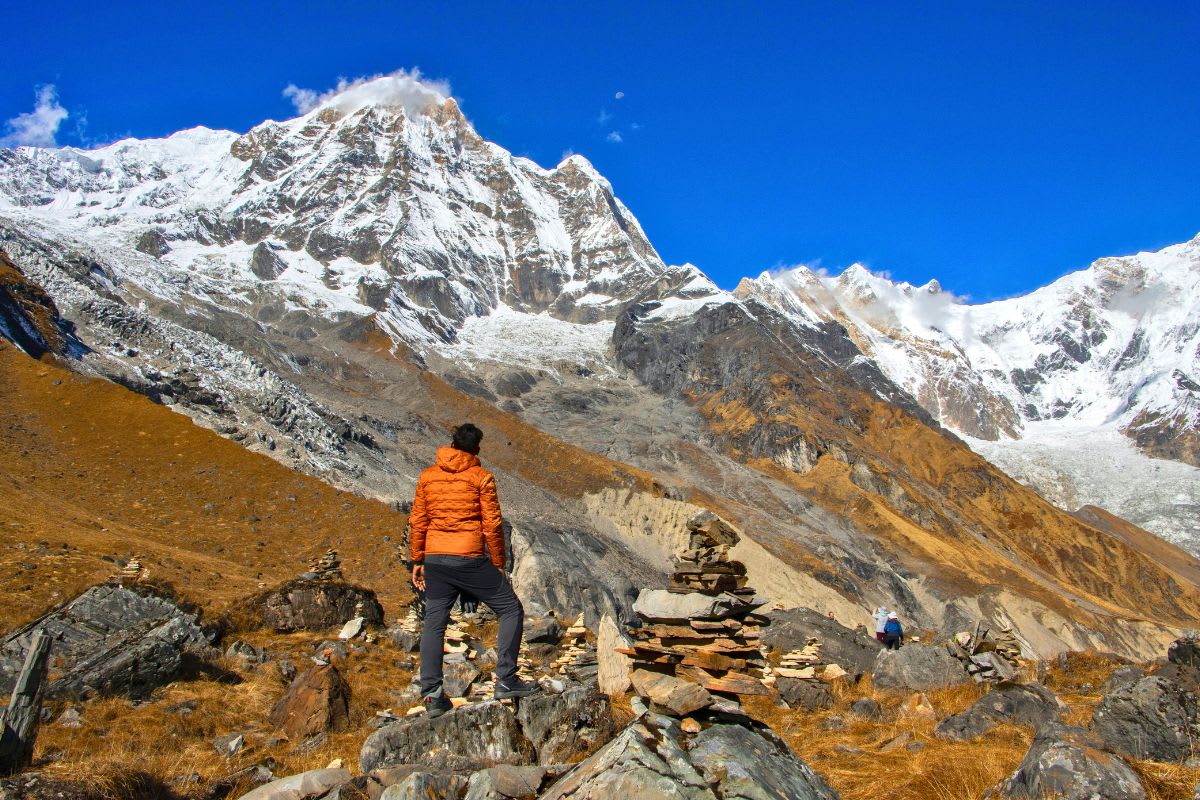
A yoga trek is a Himalayan trekking itinerary built around twice-daily yoga practice, with daily ascent capped so morning and evening sessions stay consistent for the whole group. Our yoga treks run 7 to 9 days in the Annapurna and Khumbu foothills, top out around 3,210 m at Poon Hill, and cap daily height gain at 600 m so practice never suffers from altitude fatigue. They are led by Ajay Shrestha, who holds a 500-hour Yoga Alliance certification earned in Rishikesh and leads the company's wellness departures.
Nepal's government declared 2027 a Wellness Tourism Year and set a 2026 to 2035 certified-wellness strategy, which is putting yoga and trekking hybrids on the map. The pages below cover our foothill yoga treks and the gentler options for trekkers new to both practices.
Routes
Trekkers who want daily practice without racing to a high pass are the fit: a yoga trek trades the 5,000 m ceilings of Everest or the Annapurna Circuit for a rhythm of morning vinyasa, a moderate walking day, and evening restorative sessions. The 600 m daily ascent cap is the design choice that makes this work, since a hard climbing day leaves no energy for an evening session. Prior yoga experience is not required; the practice scales to mixed groups.
Foothill routes in the Annapurna region suit this format because they string together lodges at consistent altitude bands with mountain views from every stop. The flagship is the yoga trek in the Annapurna foothills, and trekkers who want practice without any trekking should look at the retreats instead.
| Route | Duration | Max altitude | 2026 group cost |
|---|---|---|---|
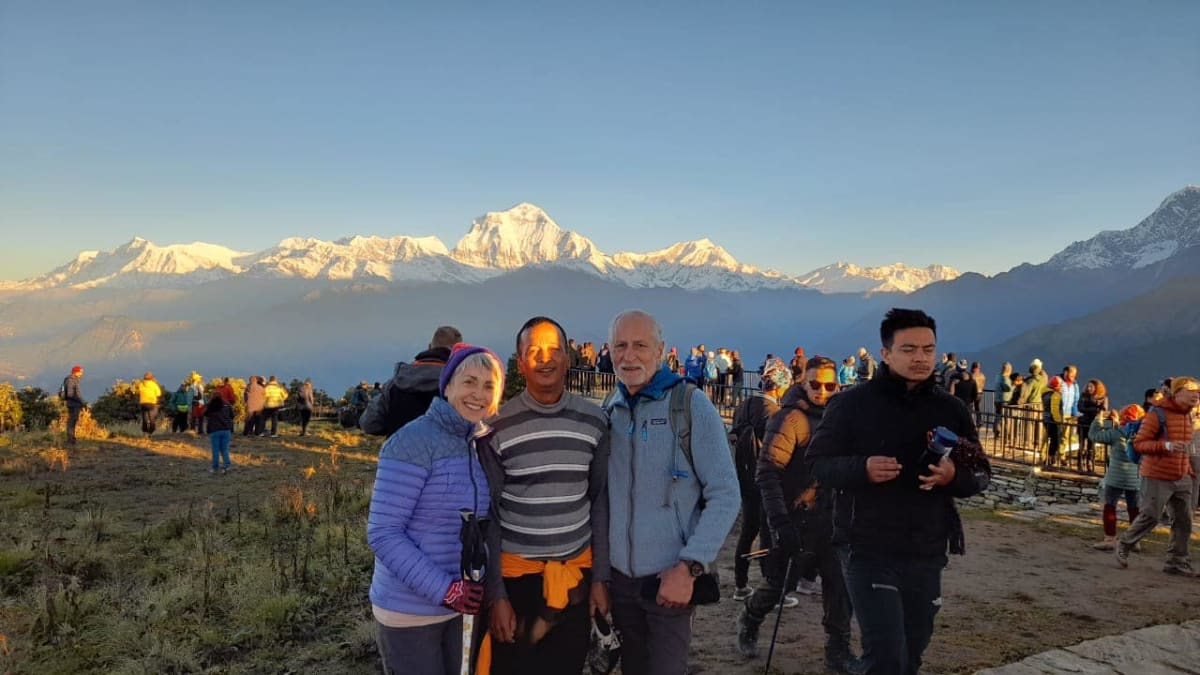
| Poon Hill Yoga Trek | 9 days | 3,210 m | USD 650-950 |
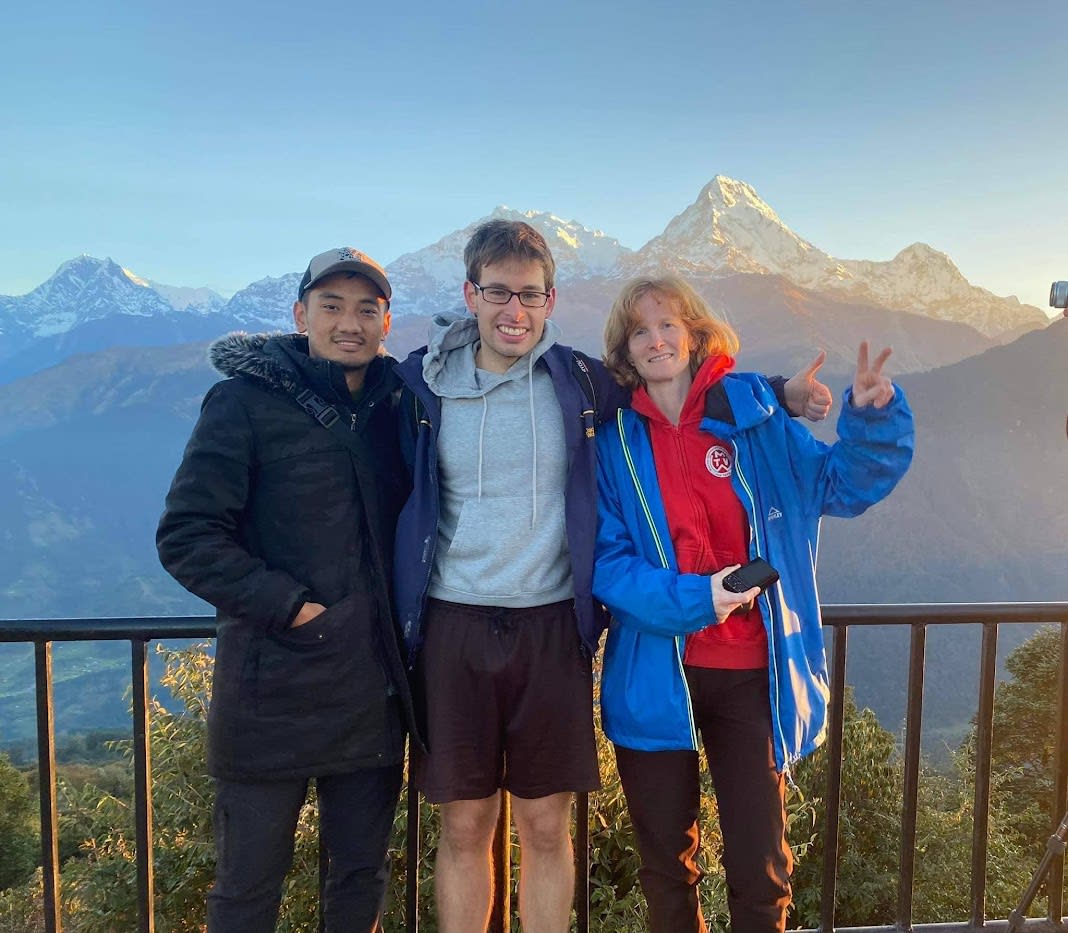
| Annapurna Yoga Trek | 9 days | 3,210 m | USD 900-1,350 |
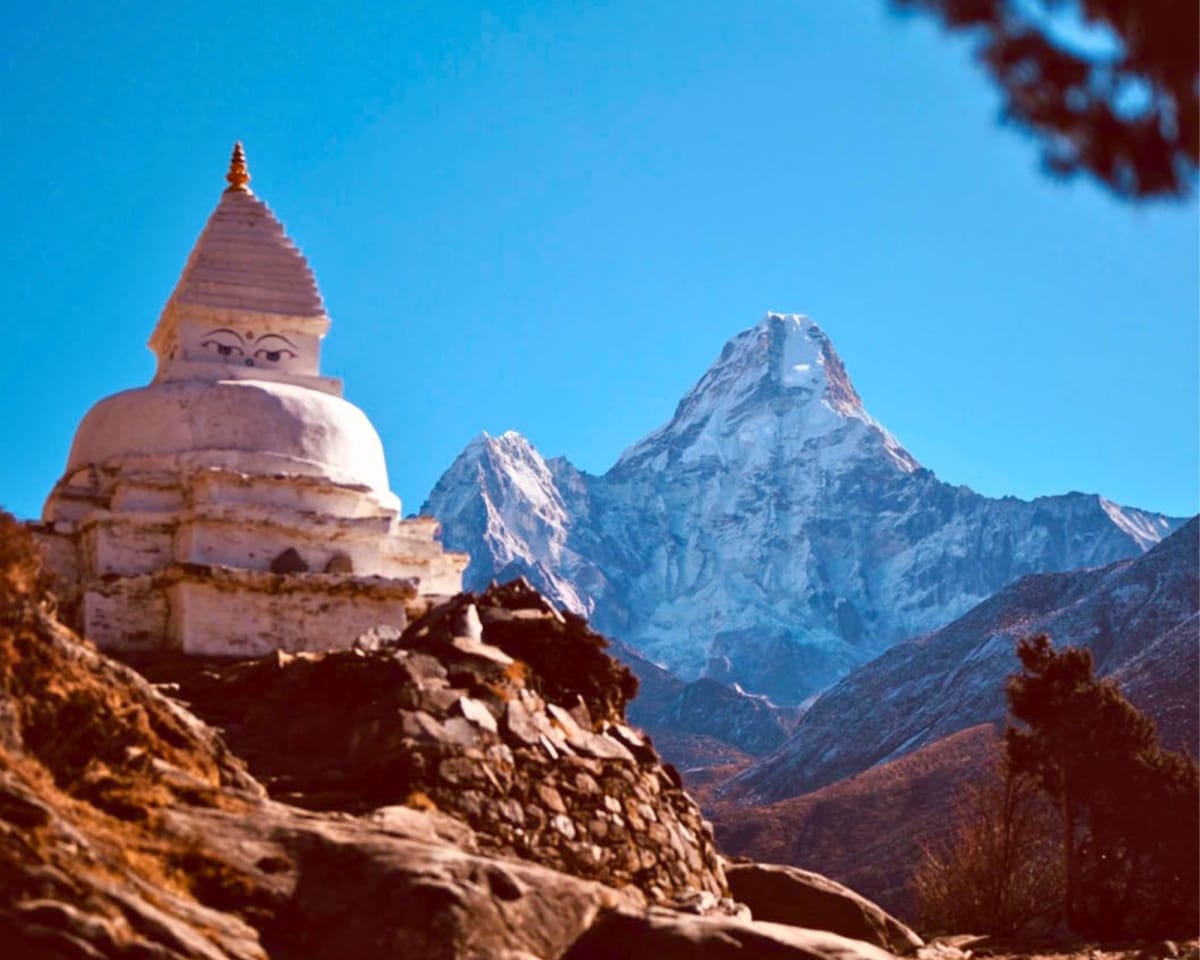
| Everest Foothills Yoga Trek | 9 days | Below 3,500 m, no high passes | USD 1,250-1,750 |
All three run the same 600 m daily ascent cap and twice-daily practice structure; what changes is the trekking region underneath it. The Poon Hill version is the shortest financial commitment, sharing its sunrise-viewpoint trail with the standard Poon Hill trek. The Annapurna Yoga Trek runs a longer foothill circuit through Gurung and Magar villages. The Everest Foothills version stays in the lower Khumbu below the altitudes where the classic Everest treks operate, trading base camp for a genuinely different mountain backdrop without adding the acclimatization schedule those routes need.
Yes, the same permit each route's region normally requires: the Poon Hill and Annapurna yoga treks use the standard ACAP and TIMS pair (NPR 5,000 combined), and the Everest Foothills version uses the Khumbu municipality permit and Sagarmatha National Park entry (also NPR 5,000 combined), the identical system covered in the Nepal trekking permits master guide. Nothing about the yoga component changes the paperwork.
FAQ
No. Sessions scale to mixed-ability groups, and Ajay Shrestha, our RYT 500 certified teacher, adjusts the practice to whoever's on a given departure. What matters more is comfort with the daily walking, not prior yoga background.
The Poon Hill Yoga Trek, since it shares its route with the standard Poon Hill trek, one of Nepal's gentlest classic itineraries, and tops out at the same 3,210 m ceiling as the other two yoga treks without any of their longer approach sections.
The daily ascent is capped at 600 m by design, lower than many standard trekking days, specifically so an evening practice session doesn't compete with exhaustion from the walking. A standard trek retrofitted with yoga sessions doesn't make this adjustment, which is the main practical difference.