Region
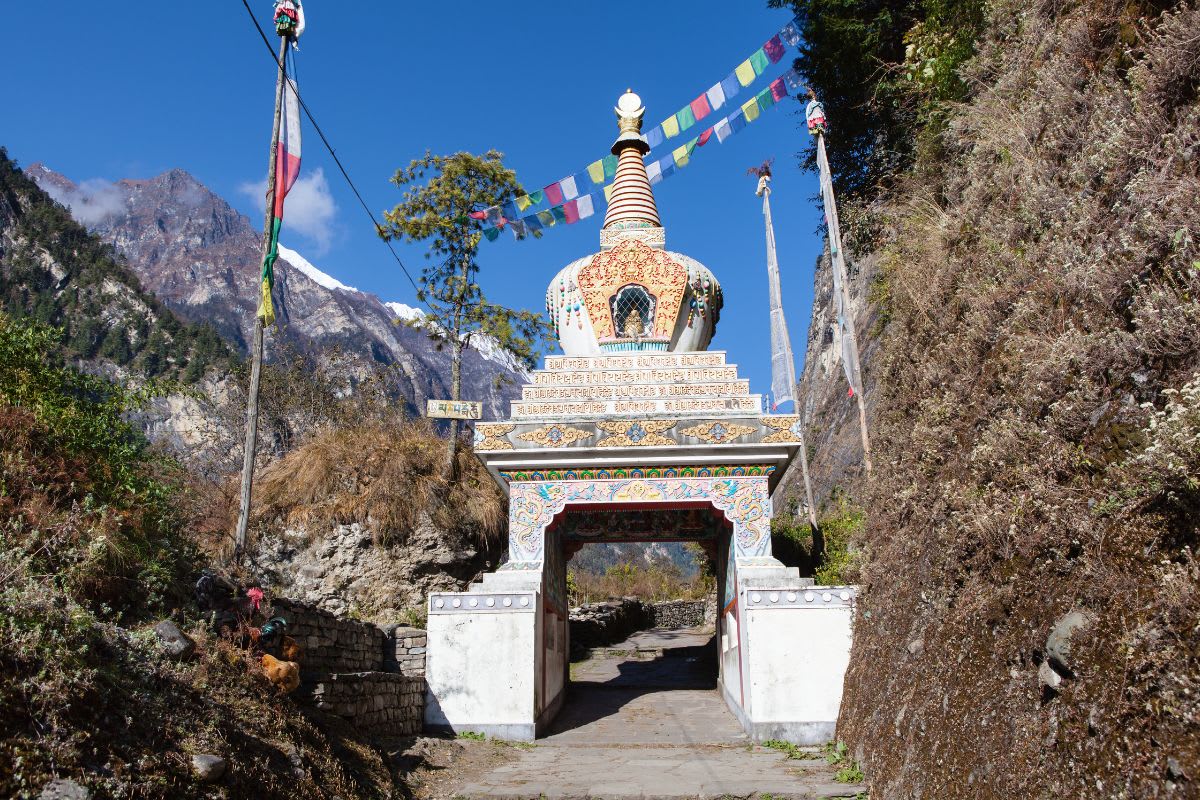
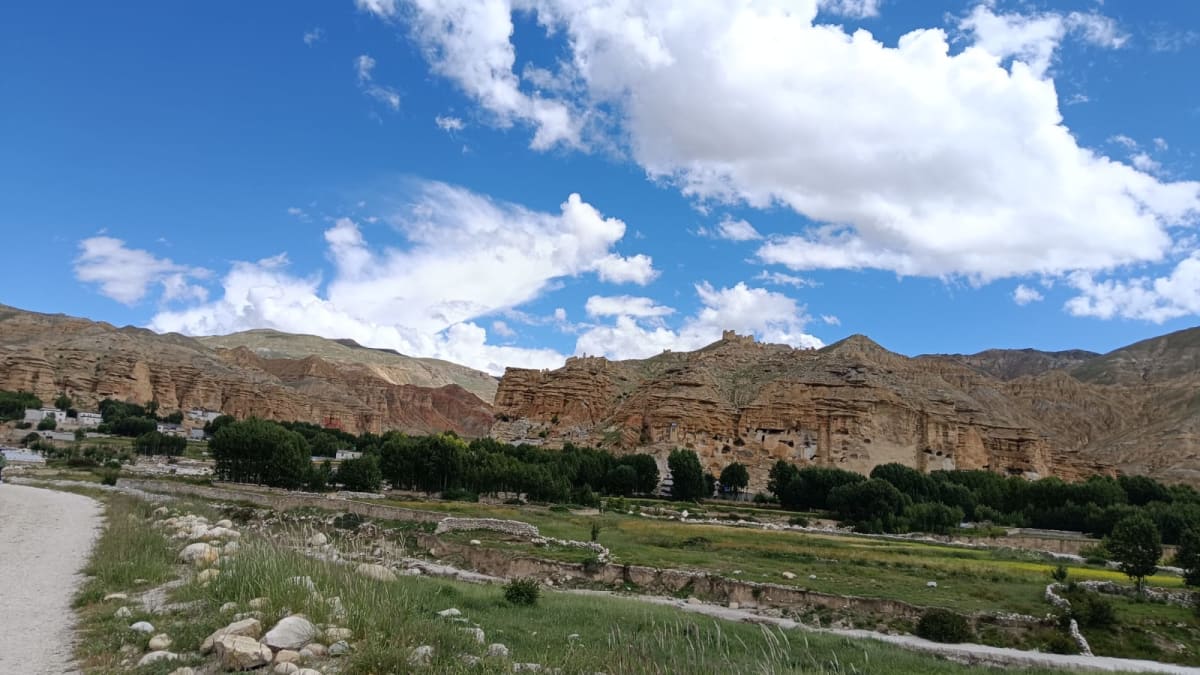
Upper Mustang is a restricted trekking area in Nepal's rain shadow, a former Tibetan kingdom around the walled capital of Lo Manthang at 3,840 m north of the Annapurna range. Treks here run 12 to 14 days and require a restricted-area permit of USD 500 for 10 days (USD 50 per extra day), plus an Annapurna Conservation Area permit (NPR 3,000). Because the Himalaya block the monsoon, Mustang receives roughly 250 to 400 mm of rain a year against 2,000 mm south of the range, which makes June to September its prime season while the rest of Nepal is under cloud.
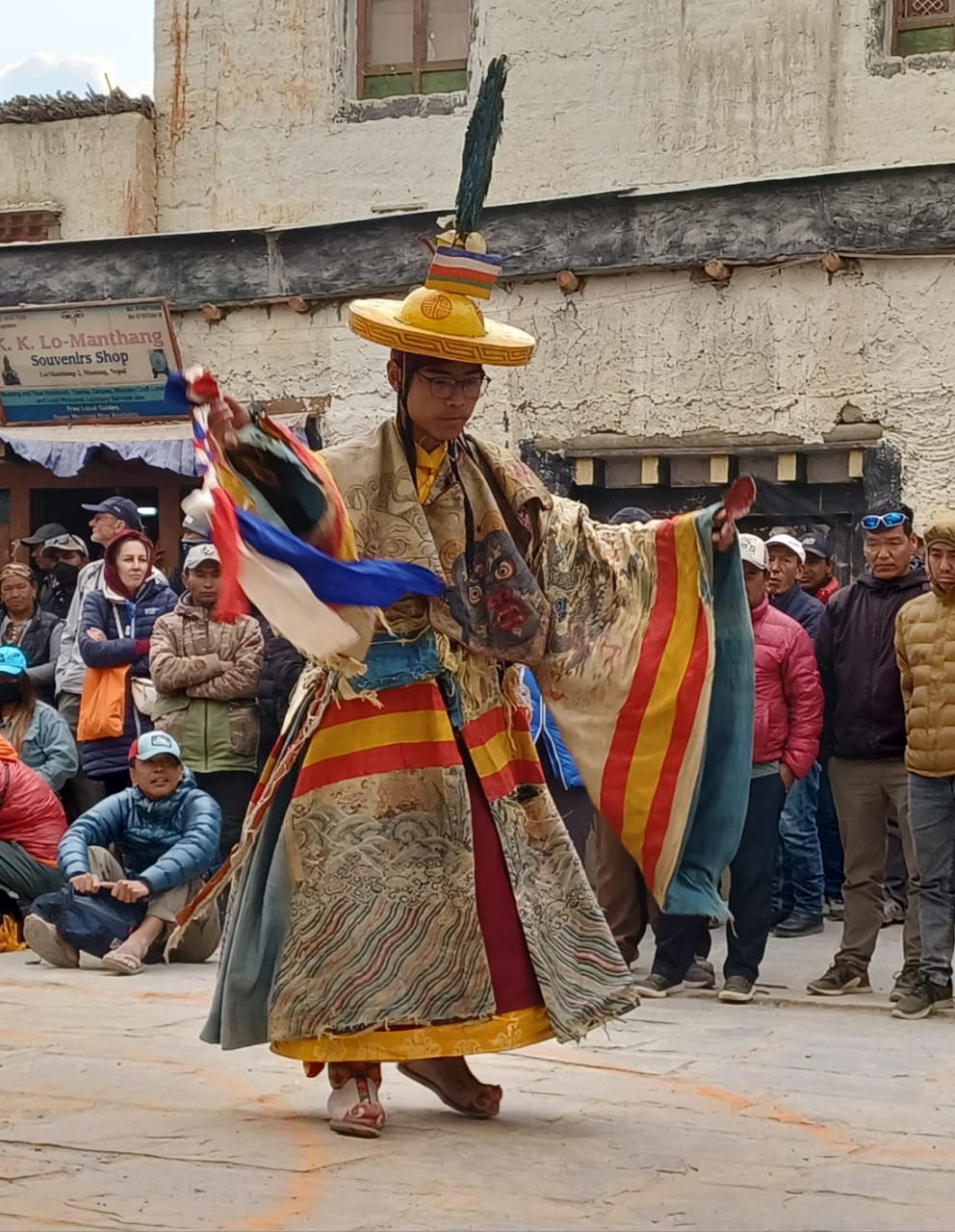
Our guides run Mustang departures right through the monsoon, when the dry high desert is the one classic route with reliable views. The pages below cover the Upper Mustang trek to Lo Manthang and the Tiji festival departure timed to the spring monastic ceremony.
Routes
Mustang sits in a rain shadow: the Annapurna and Dhaulagiri massifs, both over 8,000 m, wring the monsoon dry before it reaches the valley, so Mustang stays walkable when the Annapurna Circuit south of it is wet and leech-ridden. The trade is wind and dust: Mustang's afternoons blow hard up the Kali Gandaki, so mornings are the walking window.
The restricted permit at USD 500 for 10 days is the region's gatekeeper, and like Manaslu it requires a licensed guide and a registered agency to file it. Full monsoon planning is in the rain-shadow treks during monsoon guide, and the Upper Mustang permit and route detail sit on the Upper Mustang trek page.
| Route | Duration | 2026 group cost | What's different |
|---|---|---|---|
| Upper Mustang Trek | 12 days | USD 1,900-2,600 | Standard route to Lo Manthang, bookable year-round |
| Tiji Festival Trek | 14 days | USD 2,100-2,900 | Timed to the three-day Tiji masked-dance ceremony in Lo Manthang, spring only |
Both routes cover the same ground and the same restricted permit; the Tiji Festival departure simply times the itinerary to a specific spring ceremony date each year, which is fixed by the Tibetan lunar calendar rather than by our own scheduling, so the exact departure date shifts annually and books out earlier than the standard route.
The USD 500 restricted-area permit for the first 10 days, with USD 50 for each additional day, is the single biggest driver, adding several hundred dollars to a trip that otherwise runs a similar duration to Annapurna Base Camp at a fraction of that region's price. Mustang's remoteness compounds the gap: every supply beyond Jomsom arrives by jeep or mule train rather than a supply chain shared with a busier trekking corridor, which raises lodging and food costs along the route itself, not just the permit line.
FAQ
Yes, since 22 March 2026. The restricted-area permit requires a licensed guide, filed only through a registered agency, the same structure as Manaslu's restricted permit, but neither requires a second trekker any more.
Because it sits in the rain shadow of the Annapurna and Dhaulagiri massifs, both over 8,000 m, which wring the monsoon dry before it reaches the valley. Mustang receives roughly 250 to 400 mm of rain a year against over 2,000 mm south of the range, so it stays walkable from June to September while most of Nepal is under cloud.
Both cover the same route to Lo Manthang; the Tiji Festival departure is simply timed to the three-day Tiji masked-dance ceremony each spring, a date set by the Tibetan lunar calendar. It costs slightly more and books out earlier because of the fixed festival date.