A Lukla flight is the 30-minute fixed-wing flight between the Kathmandu valley (or Ramechhap) and Tenzing-Hillary Airport at 2,860 m, the single scheduled air gateway that starts and ends almost every Everest Base Camp departure. About a dozen airlines fly the route with 15 to 19-seat STOL aircraft, and every flight operates on visual rules inside a single morning window before afternoon cloud closes the valley. Passang Dawa Sherpa, who has flown this route on 74 Everest departures since 2008, wrote this guide from those bookings, delays included.
The sections below cover why Tenzing-Hillary Airport carries its reputation, the Ramechhap-versus-Kathmandu departure split, the morning-only schedule, cancellation and rebooking mechanics, and the helicopter alternative at USD 500 to 700 a seat. A closing table sets out Lukla flight reliability by month from our own departure records.
In this guide 6
- 01 Why does Tenzing-Hillary Airport carry such a dangerous reputation?
- 02 Do Lukla flights leave from Kathmandu or Ramechhap?
- 03 Why do Lukla flights only operate in the morning?
- 04 What happens when a Lukla flight is cancelled?
- 05 Is a helicopter a reliable alternative to a fixed-wing Lukla flight?
- 06 What is Lukla flight reliability by month?
Why does Tenzing-Hillary Airport carry such a dangerous reputation?
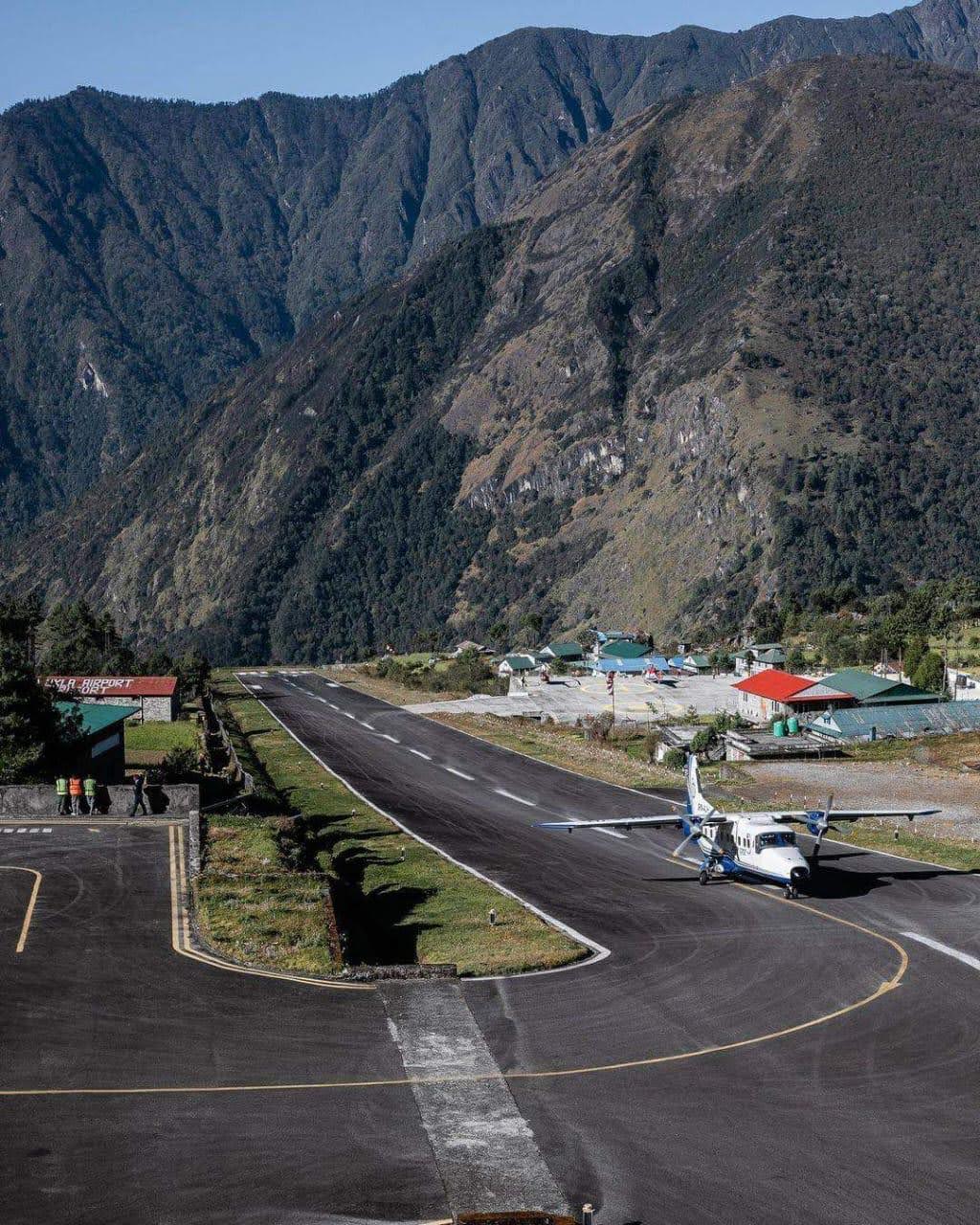
Tenzing-Hillary Airport sits at 2,860 m on a shelf cut into the Khumbu hillside, with a 527 m runway sloped at roughly a 12% gradient that helps aircraft slow on landing and gain speed on takeoff. The History Channel's 2010 series Most Extreme Airports ranked it the world's most dangerous, citing the short runway, the mountain wall backing the upper end, and an approach with no go-around option once a pilot commits. A stone wall marks the point where the tarmac simply ends, and pilots who misjudge the final turn have nowhere to abort.
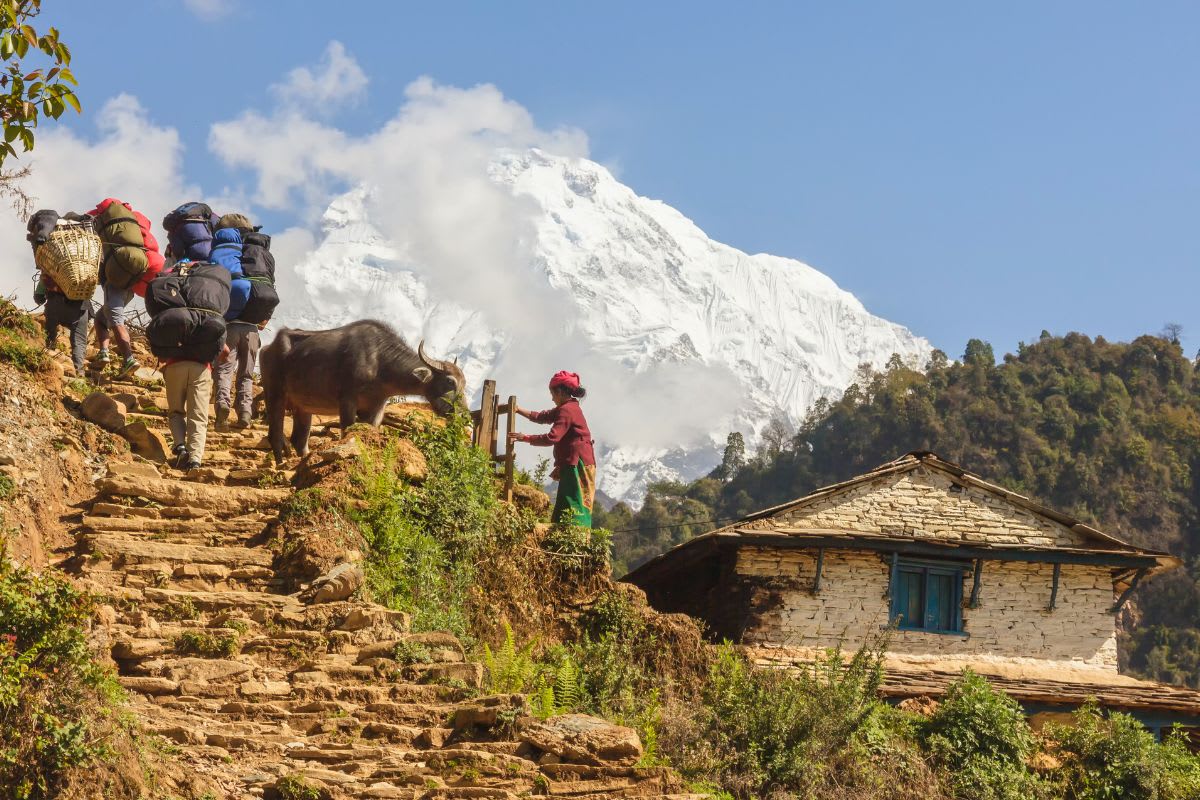
The airport takes its name from Tenzing Norgay and Edmund Hillary, the first climbers confirmed to summit Everest in 1953, and Hillary's own foundation built the original grass strip in 1964 to supply the Khumbu's hospitals and schools. Every Everest Base Camp itinerary we run treats the Lukla flight as its own logistics problem, separate from the trek itself, which is why two spare days sit at the end of every departure before any international connection.
Do Lukla flights leave from Kathmandu or Ramechhap?
Ramechhap, also called Manthali, has carried peak-season Lukla traffic on and off since 2019, when Kathmandu's single runway needed the relief that a second Lukla terminal provided, and the arrangement became the fixed high-season pattern from 2022 onward. Trekkers flying in spring or autumn now typically drive 4 to 5 hours from Kathmandu to Ramechhap the evening before, sleep near the airstrip, and catch a flight departing from 6 am.
The split adds a driving night but removes a bigger problem: Ramechhap flights load and go without the queue that stacks up behind Kathmandu's mixed domestic and international traffic. Winter departures, from December through February, generally return to Kathmandu because passenger volume drops, so the terminal a trekker uses depends on the season booked as much as the airline.
Why do Lukla flights only operate in the morning?
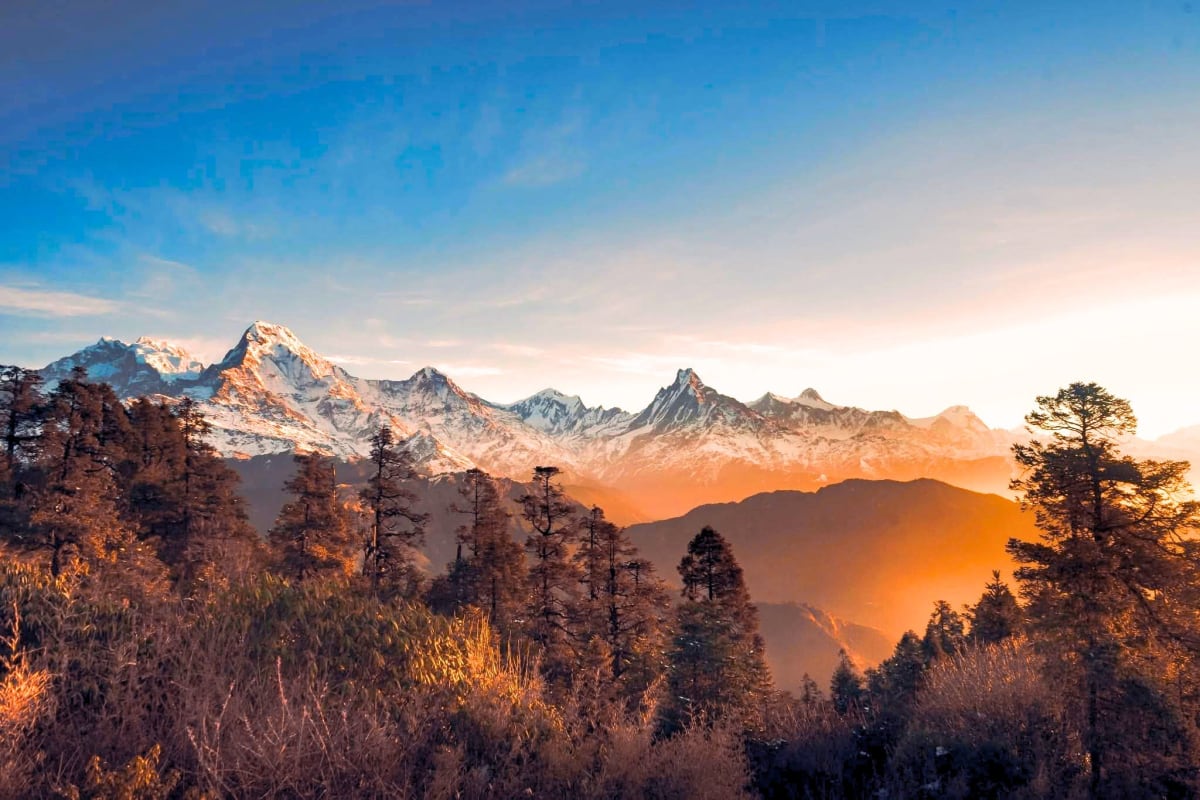
Morning is the only reliable window because the Khumbu valley's afternoon cloud buildup closes the visual approach every Lukla flight depends on. Warm air rises off the lower valleys through the day and condenses against the surrounding peaks by late morning, and because no instrument approach exists at Tenzing-Hillary Airport, every landing needs a clear sightline to the runway. Flights that miss the morning slot do not simply run later; they wait for the next clear window, usually the following dawn.
This single-window schedule is why a delayed first departure cascades through an entire day's manifest. A flight scheduled for 6:30 am but still grounded at 10 am often loses its landing slot entirely as cloud rolls in, pushing every passenger behind it to the next day.
What happens when a Lukla flight is cancelled?
Cancelled passengers roll onto the next morning's manifest in the order they were booked, and our office confirms the new time by phone the same afternoon a cancellation is called. Multi-day cancellations happen most often in the monsoon shoulder of late May and early June, when three or four consecutive mornings can close without a clear window. A helicopter evacuation insurance coverage policy with trip-delay cover typically reimburses the cost of jumping the queue by helicopter, so checking that clause before departure matters as much as packing a warm jacket.
Every itinerary we sell for Everest Base Camp and its variants carries two unscheduled Kathmandu days at the end for exactly this reason. A trekker with a fixed international flight two days after the trek ends has almost no buffer against a multi-day Lukla closure, and rebooking an intercontinental ticket from a Kathmandu hotel is a worse problem than losing a trekking day.
Is a helicopter a reliable alternative to a fixed-wing Lukla flight?
A helicopter seat costs USD 500 to 700 per person, sold on a 5-passenger group booking, and it can fly in weather too marginal for the fixed-wing STOL aircraft because a helicopter needs no runway approach at all. Trekkers who charter privately rather than waiting for a group of 5 pay for the empty seats too, typically USD 2,500 to 3,000 for the whole aircraft one way. The helicopter option is the standard fix when a fixed-wing cancellation threatens an international connection, and it is built into the Everest Base Camp trek with helicopter return itinerary from the start rather than arranged as a same-day scramble.
Helicopters share the same morning cloud constraint as fixed-wing traffic, just with more tolerance for the marginal hour before cloud fully closes the valley. A helicopter is not a guaranteed daily alternative in a multi-day closure, only a faster one on the mornings when any aircraft can fly.
What is Lukla flight reliability by month?
Our own departure records across 41 flights from 2024 to 2026 show Lukla flights leaving on schedule 83% of the time in February against just 61% in May, with the full month-by-month spread below tracking the seasonal cloud pattern closely.
| Month | On-time departure rate | Typical delay cause |
|---|---|---|
| February | 83% | Stable winter high pressure |
| October | 76% | Post-monsoon cloud, still mostly clear |
| April | 68% | Rising pre-monsoon convection |
| May | 61% | Pre-monsoon haze and afternoon cloud |
These are single-operator figures, not airline-wide statistics, and they explain the itinerary buffer built into every departure we schedule. On our last three Everest Base Camp departures, the Lukla flight left on time twice, and the third waited four hours in Ramechhap for the valley to clear. For the calmer end of that range, trekking Nepal in winter covers the wider case for a January or February booking beyond the flight numbers alone.
FAQ
Common questions
What happens if my Lukla flight is cancelled?+
Cancelled passengers roll onto the next morning's manifest in booking order, confirmed by our office the same afternoon the cancellation is called. A helicopter transfer at USD 500 to 700 per seat, 5 passengers minimum, is the same-day paid alternative, and every itinerary we sell carries two unscheduled Kathmandu days at the end to absorb a multi-day closure.
Should I expect to fly from Kathmandu or Ramechhap?+
Ramechhap (Manthali) has handled most high-season Lukla traffic since 2022, reached by a 4 to 5 hour drive from Kathmandu the evening before departure. Winter departures, December through February, generally fly from Kathmandu instead as passenger volume drops. Your operator confirms the terminal a day or two before your flight, once the airline sets the schedule.
How much does a Lukla helicopter transfer cost?+
USD 500 to 700 per person on a shared 5-passenger booking, or roughly USD 2,500 to 3,000 for a private charter of the whole aircraft one way. Helicopters fly in some weather too marginal for fixed-wing STOL aircraft since they need no runway approach, though they share the same morning cloud constraint.
Why can't Lukla flights operate in the afternoon?+
Afternoon cloud builds against the Khumbu's surrounding peaks as warm air rises through the day, closing the visual approach that Tenzing-Hillary Airport requires since no instrument landing system exists there. A flight that misses its morning slot waits for the next clear window, usually the following dawn, rather than departing later the same day.