Region
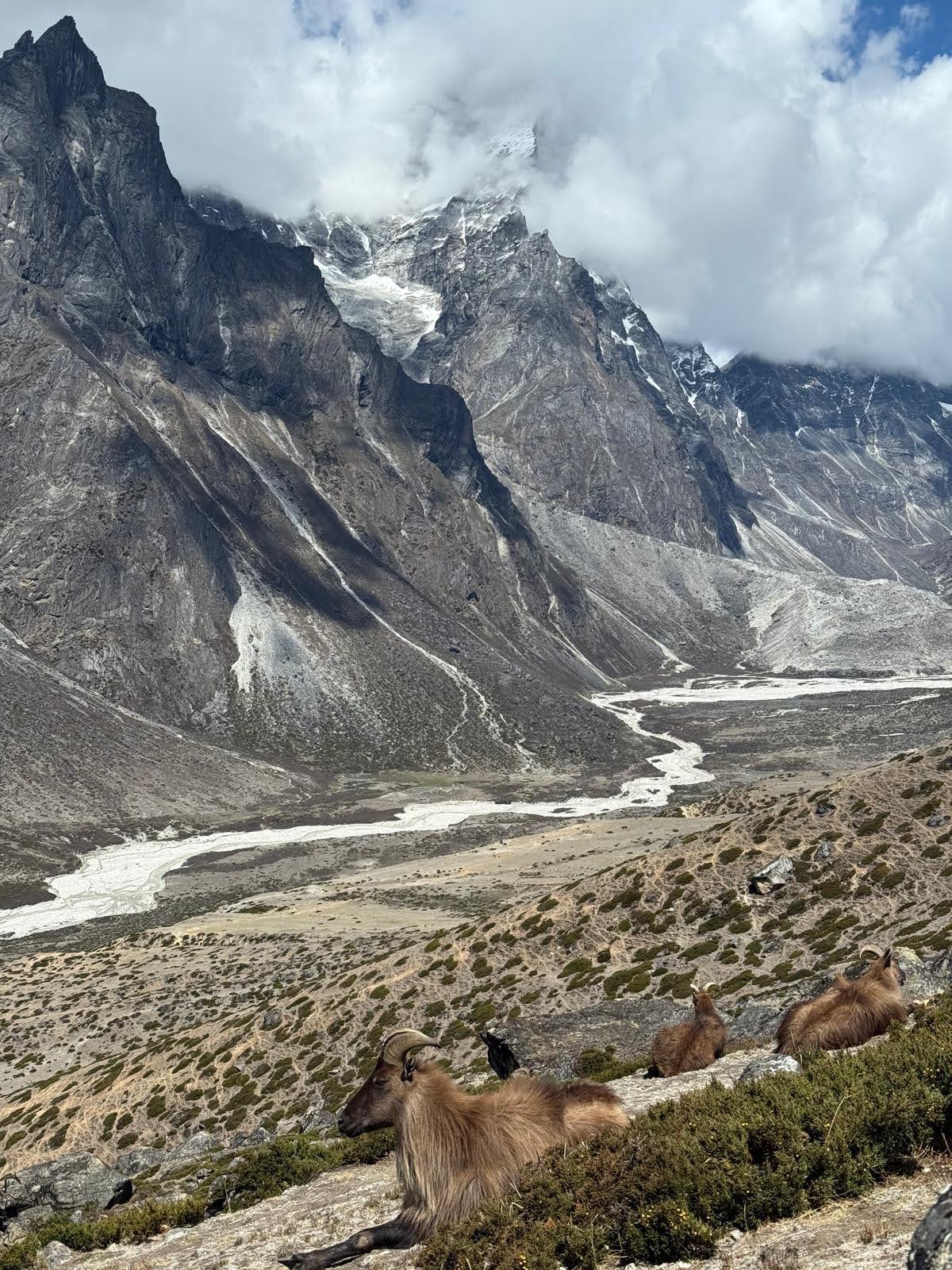
The Everest region, known in Nepali as the Khumbu, is Nepal's highest trekking region, home to Sagarmatha National Park, the Sherpa villages of Namche Bazaar and Phortse, and four of the world's six highest mountains. Treks here run from 12 days, sleep between 2,610 m (Lukla) and 5,364 m (Everest Base Camp), and require two permits totaling NPR 5,000. Most itineraries start with the 30-minute mountain flight from Kathmandu or Ramechhap to Lukla, and every route passes through Namche Bazaar at 3,440 m, the acclimatization hub of the Khumbu.
Our Everest guides run departures in this region every season and know the checkpoint sequence, teahouse capacity, and Lukla flight patterns route by route. The pages below cover the four routes we operate plus the permit, flight, and teahouse logistics that decide whether an Everest trek runs smoothly.
Routes
 Moderate-Strenuous
 9 days
5,545 m
From
USD 2,200 pp
 Strenuous
 18 days
5,545 m
From
USD 1,900 pp
 Moderate-Strenuous
 12 days
5,357 m
From
USD 1,150 pp
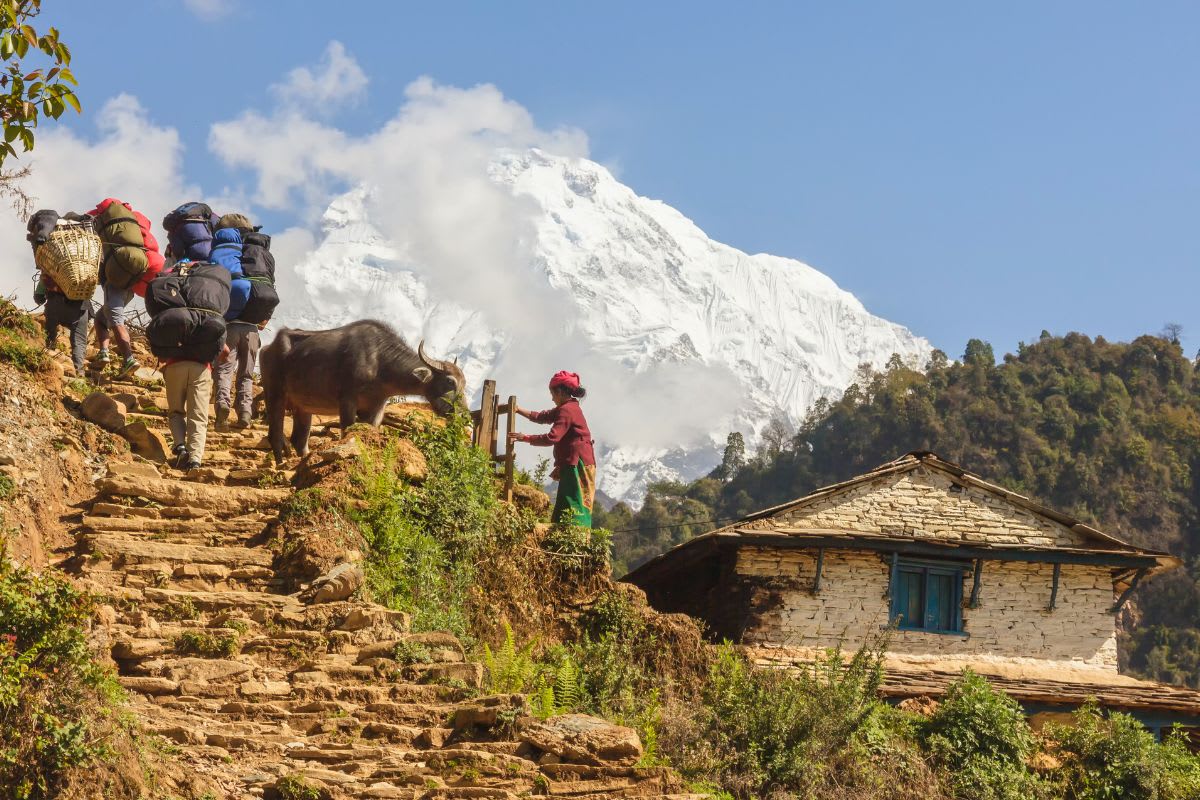 Moderate-Strenuous
 12 days
5,364 m
From
USD 1,200 pp
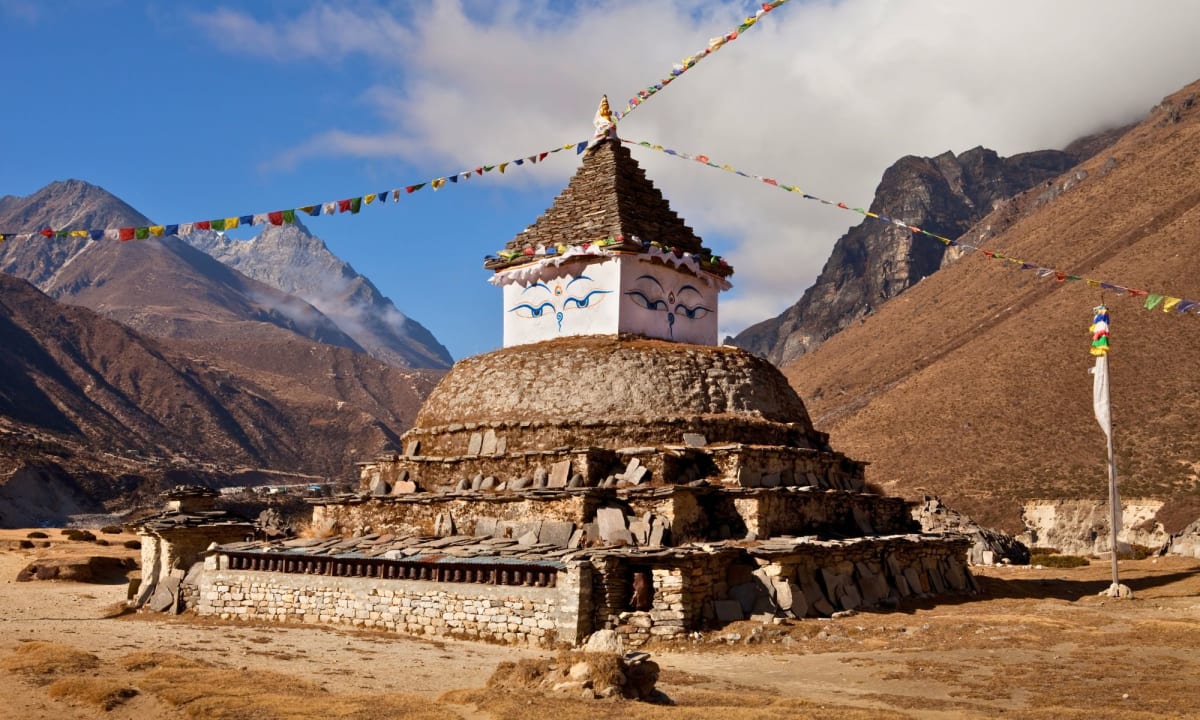
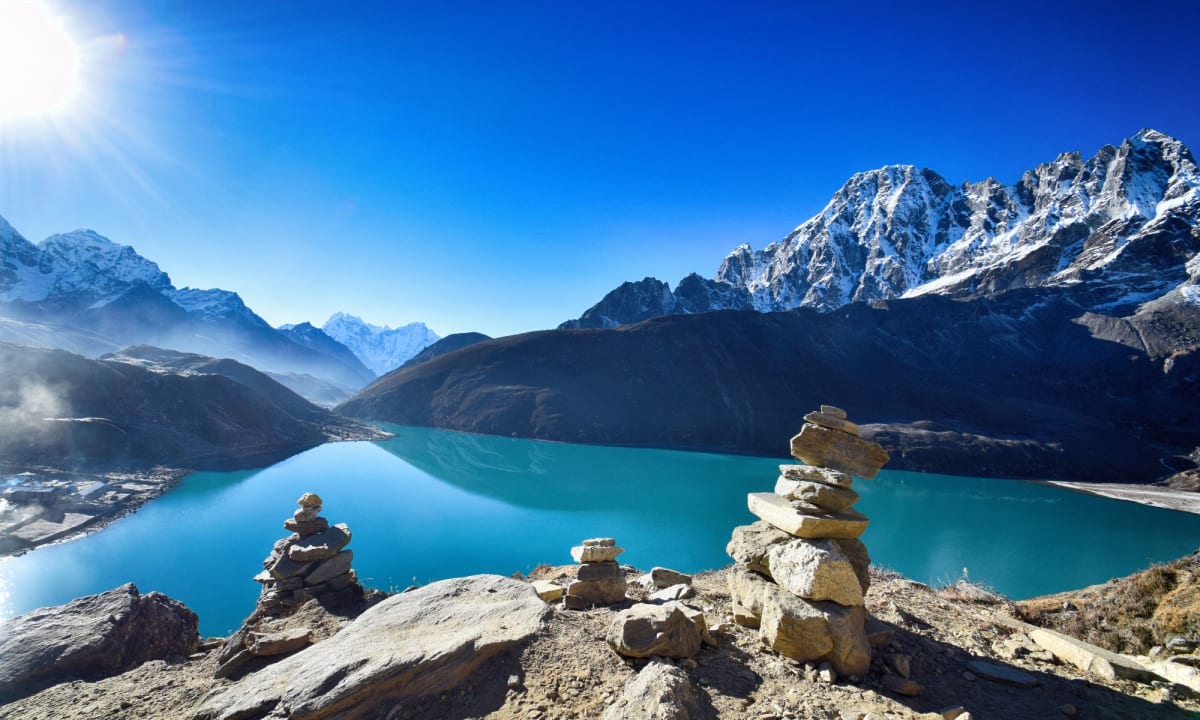
The classic Everest Base Camp Trek takes 12 days and suits first-time high-altitude trekkers who acclimatize properly. The Gokyo Lakes route trades base camp for the turquoise lakes and Gokyo Ri's 5,357 m summit panorama, at similar difficulty. The Three Passes Circuit crosses Kongma La (5,535 m), Cho La (5,420 m), and Renjo La (5,360 m) over 18 days and demands prior altitude experience. Trekkers short on time can walk to base camp and fly back by helicopter, cutting the return leg to a 40-minute flight.
Every route shares the same entry logistics: the Lukla flight, the Khumbu Pasang Lhamu Rural Municipality permit, and the Sagarmatha National Park entry. Those are covered in the permit and flight guides below, written by the team members who process them and fly them every season.
Most first-time Khumbu trekkers ask some version of that before booking, and the honest answer is route-dependent: read is Everest Base Camp worth it and the real odds of reaching base camp for a straight answer rather than a marketing one. Namche Bazaar at 3,440 m is the one stop every route shares, covered in the Namche Bazaar guide, and trekkers deciding between the two summit-morning viewpoints should read Kala Patthar against Everest Base Camp itself.
The four routes we run share the same Lukla flight and the same first six days through Namche and Tengboche, then diverge on how far the itinerary extends:
| Route | Duration | Max altitude | 2026 group cost |
|---|---|---|---|
| Everest Base Camp | 12 days | 5,364 m (5,545 m Kala Patthar) | USD 1,200-1,800 |
| Gokyo Lakes | 12 days | 5,357 m (Gokyo Ri) | USD 1,150-1,650 |
| Three Passes Circuit | 18 days | 5,545 m; 3 passes to 5,535 m | USD 1,900-2,600 |
| EBC Heli Return | 9 days | 5,364 m (5,545 m Kala Patthar) | USD 2,200-2,900 |
Gokyo runs slightly cheaper than Base Camp despite a similar duration, since its route stays a touch shorter overall. Three Passes costs the most of the walking itineraries because it absorbs Gokyo, Base Camp, and three technical passes into one continuous circuit. The Heli Return trades four walking days for a helicopter charter, which is why it's priced above even the longer Three Passes route. Climbers extending a Base Camp trek into Island Peak add a separate NMA peak permit and technical gear on top of the standard trekking costs.
Every route above uses the same two-permit system: the Khumbu Pasang Lhamu Rural Municipality permit (NPR 2,000) and Sagarmatha National Park entry (NPR 3,000), a combined NPR 5,000 issued in Lukla or at Monjo rather than in advance in Kathmandu. This is a genuine exception to Nepal's national TIMS system, which governs Annapurna, Langtang, and most other regions instead. Full mechanics, including how this local permit affects the 2023 guide-requirement rule, sit in the Nepal trekking permits master guide and the solo trekking guide requirement page.
Planning
 Khumbu Teahouse Guide: Booking, Pricing & What to Expect
  Everest Base Camp with Knee Problems: What Actually Stresses Your Knees
  Lukla Flight Cancellation: What Actually Happens, Hour by Hour
 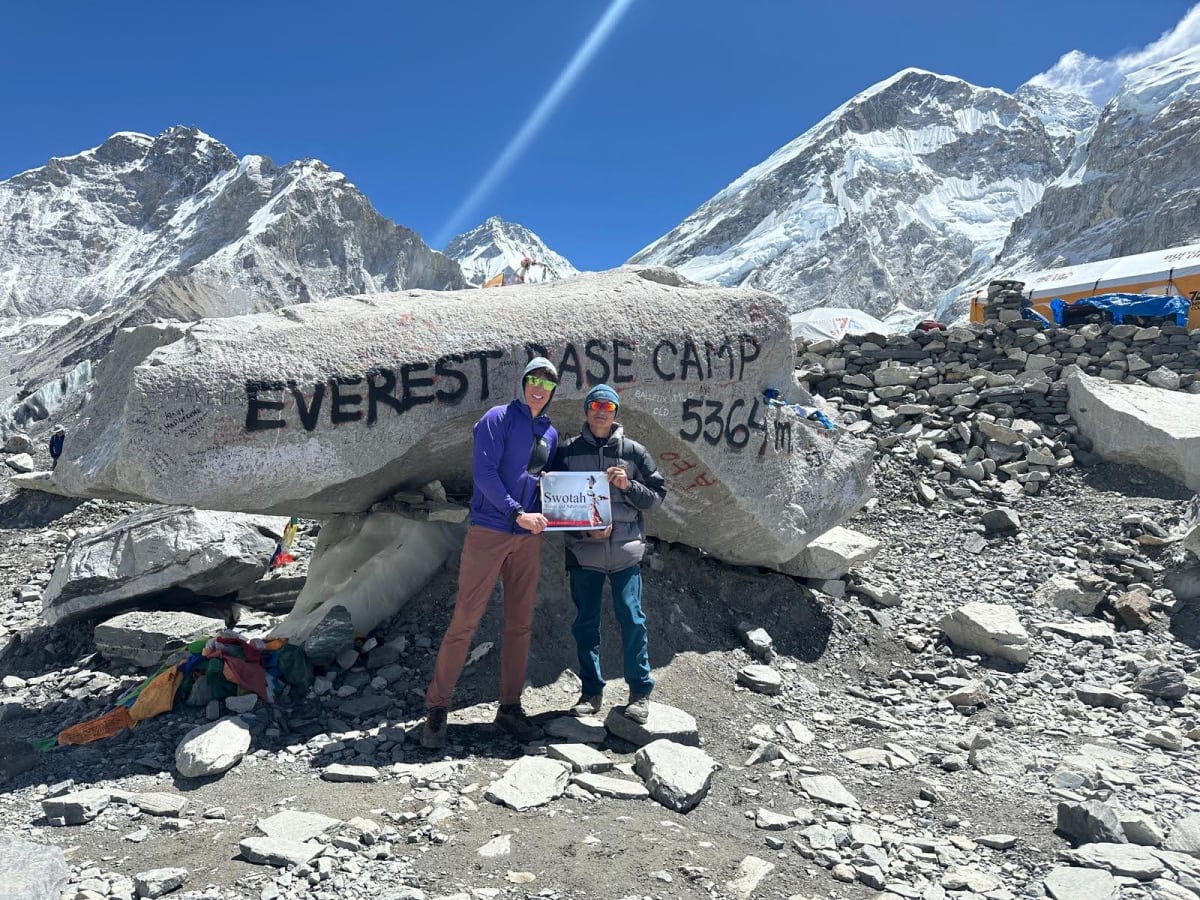 Everest Base Camp Permits: Costs, Where to Buy, and Checkpoints
 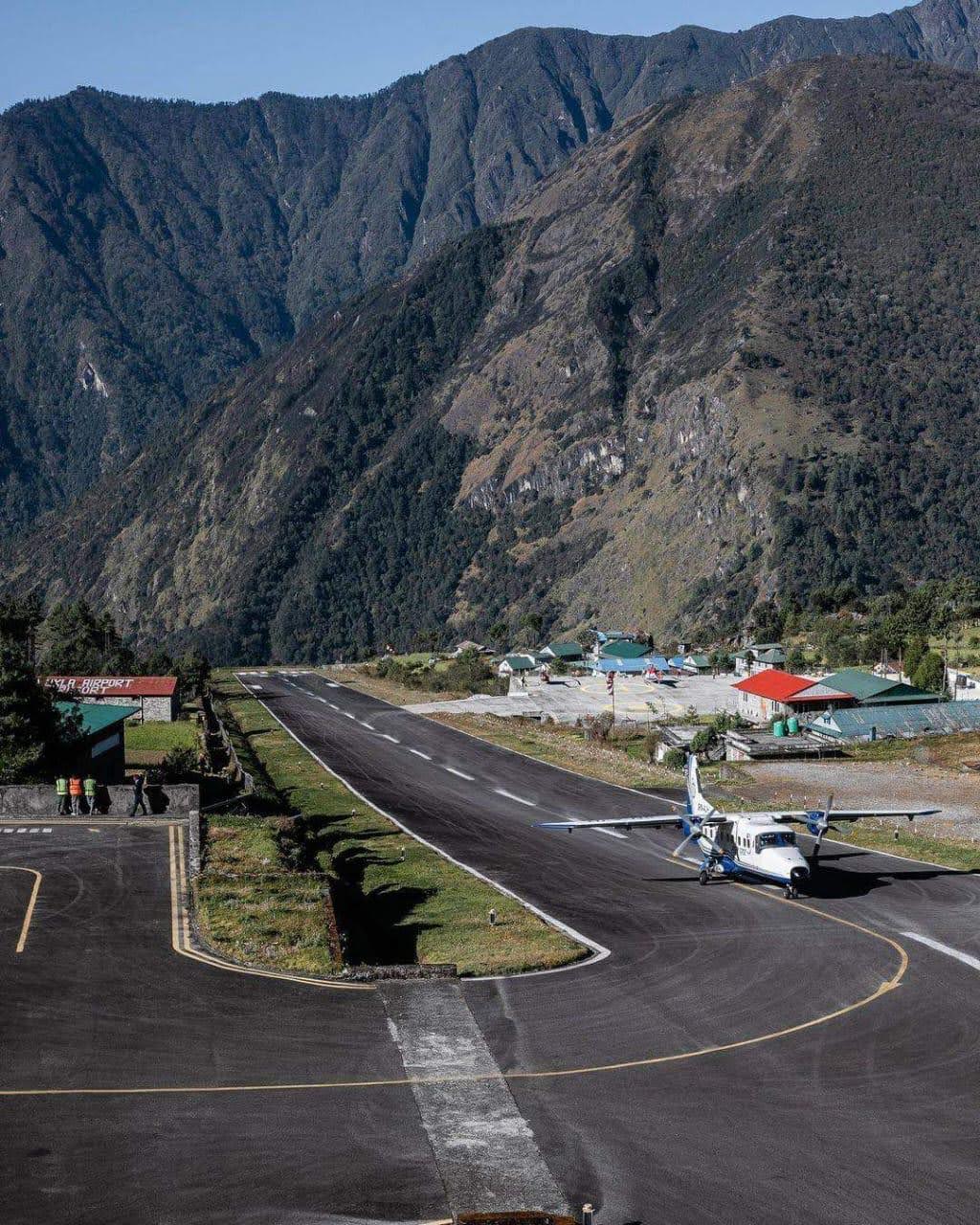 Lukla Flight Guide: Schedules, Delays & Ramechhap
 FAQ
Everest Base Camp, since it's the region's best-supported route, with the densest teahouse network and the most departures scheduled each season. Gokyo Lakes suits a first-timer just as well at similar difficulty. Three Passes and the technical climbing peaks are better suited to trekkers with prior altitude experience above 4,500 m.
Yes, every standard route in this region starts with the roughly 30-minute flight to Lukla (2,860 m) from Kathmandu or, during peak season, Ramechhap. There's no road access into the Khumbu, so the flight is the one fixed cost and logistics step every itinerary shares, including the shorter helicopter-return version.
Group departures run USD 1,150 to 2,900 depending on route, with Gokyo Lakes the cheapest of the four standard options and the helicopter-return Base Camp trek the most expensive. The Lukla flight (USD 360-440 round trip) is the main cost driver across all of them, not the trekking itself.