Region
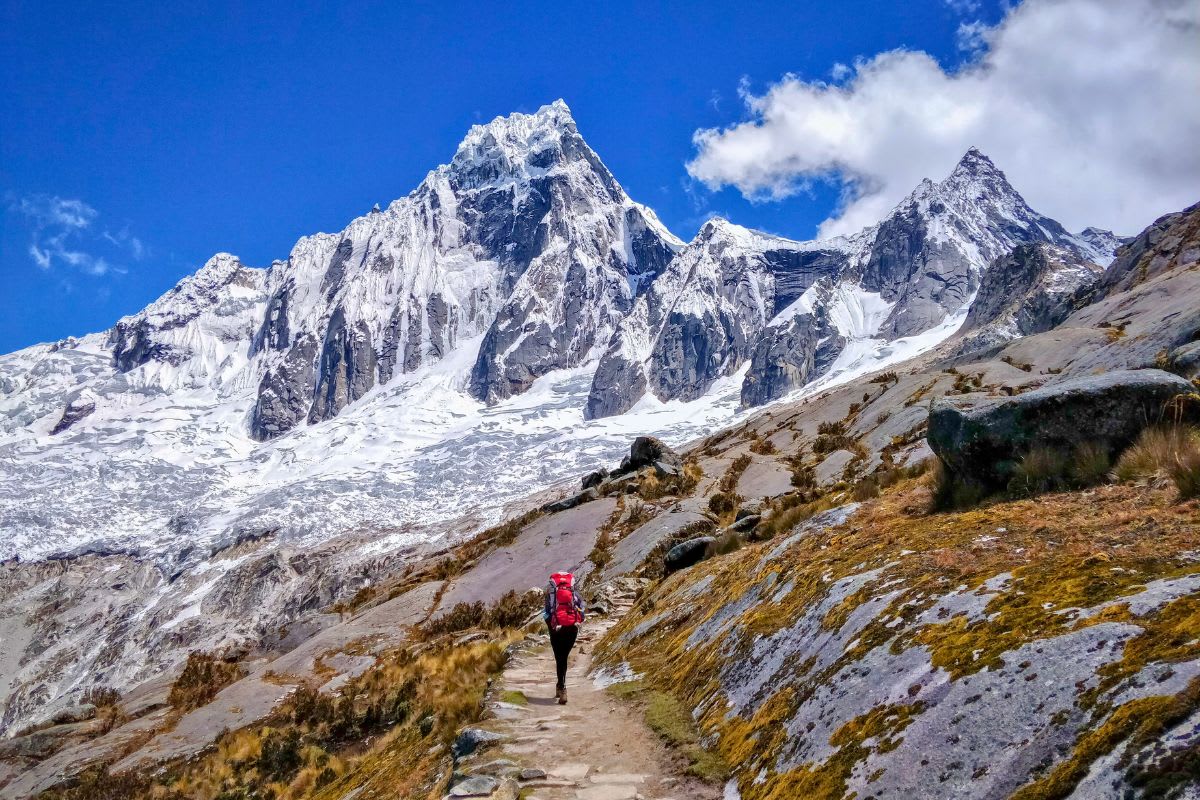
The Annapurna region is a central Nepal trekking area around the 8,091 m Annapurna I massif, protected by the 7,629 km2 Annapurna Conservation Area and reached from the lake city of Pokhara. Treks here run from 4 to 15 days, cross altitudes from 1,070 m to the 5,416 m Thorong La, and require two permits: the Annapurna Conservation Area Permit (NPR 3,000) and a TIMS card (NPR 2,000). Routes leave from road heads a short drive from Pokhara, which sits 200 km west of Kathmandu and a 25-minute flight or 6-hour drive away.
Our Annapurna guides run departures across these trails every season and know which villages fill first in October and which routes stay quiet. The pages below cover the five routes we operate, from the 4-day Poon Hill loop to the full Annapurna Circuit, plus the ACAP and TIMS paperwork every one of them needs.
Routes
 Strenuous
 10 days
5,416 m
From
USD 1,100 pp
 Strenuous
 15 days
5,416 m
From
USD 1,350 pp
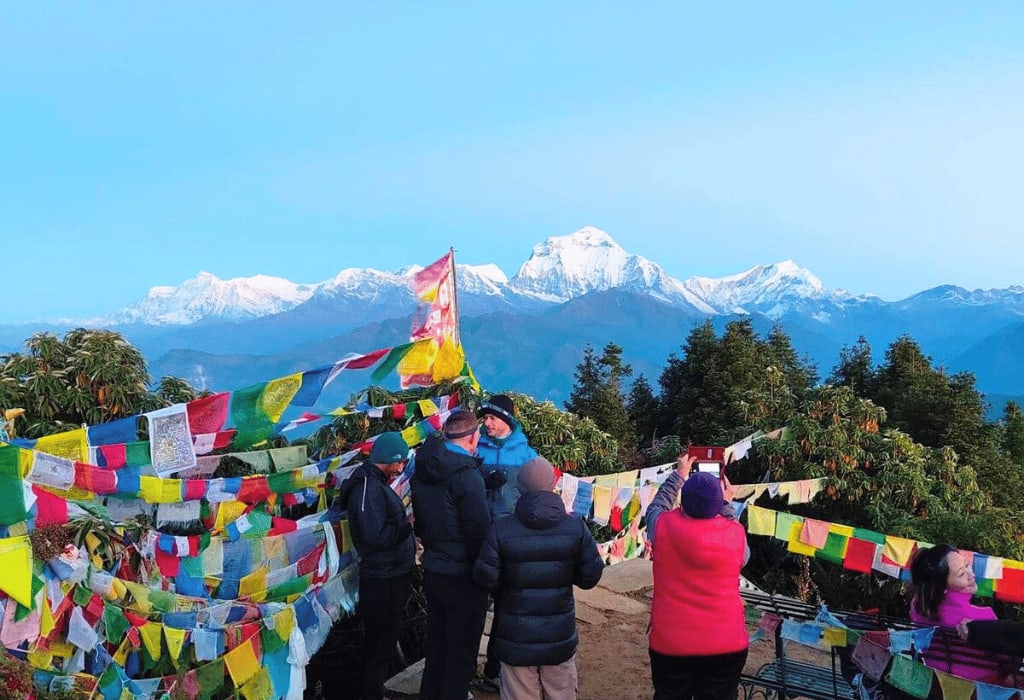 Easy
Easy 4 days
3,210 m
From
USD 350 pp
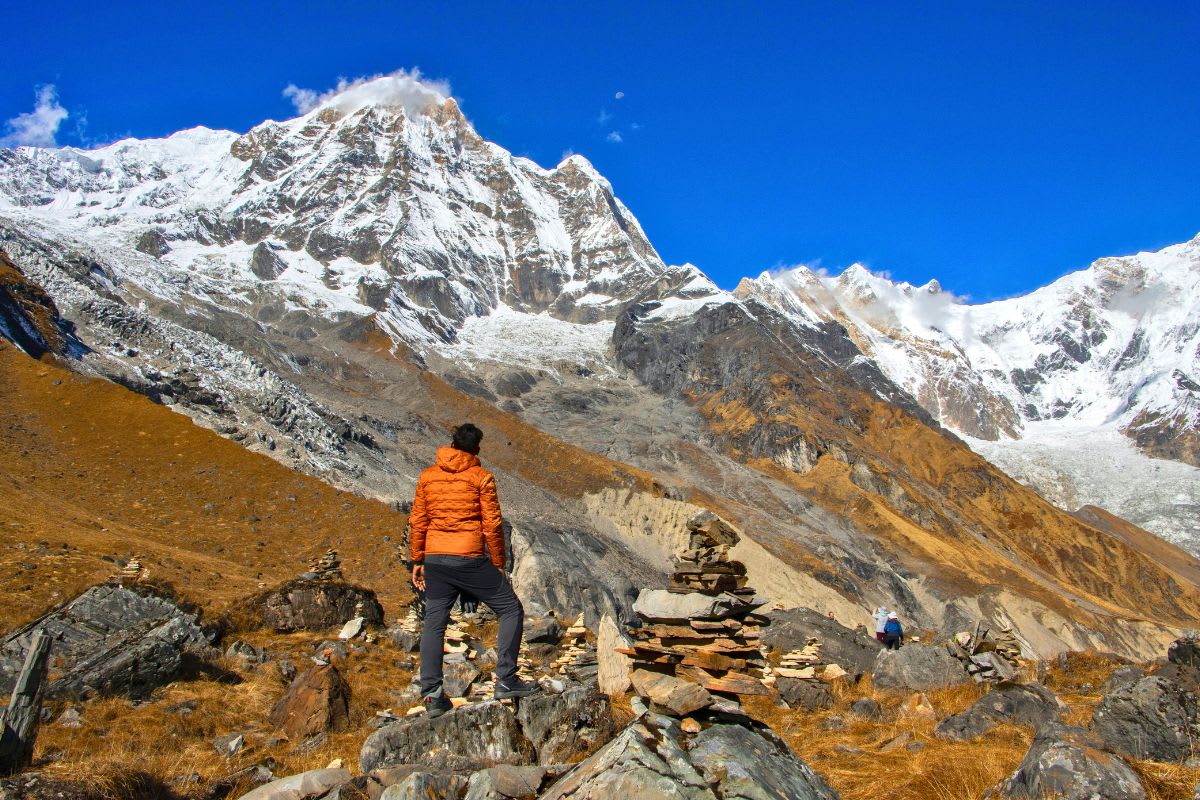 Moderate
 7 days
4,130 m
From
USD 750 pp
 Moderate
 5 days
4,200 m
From
USD 550 pp
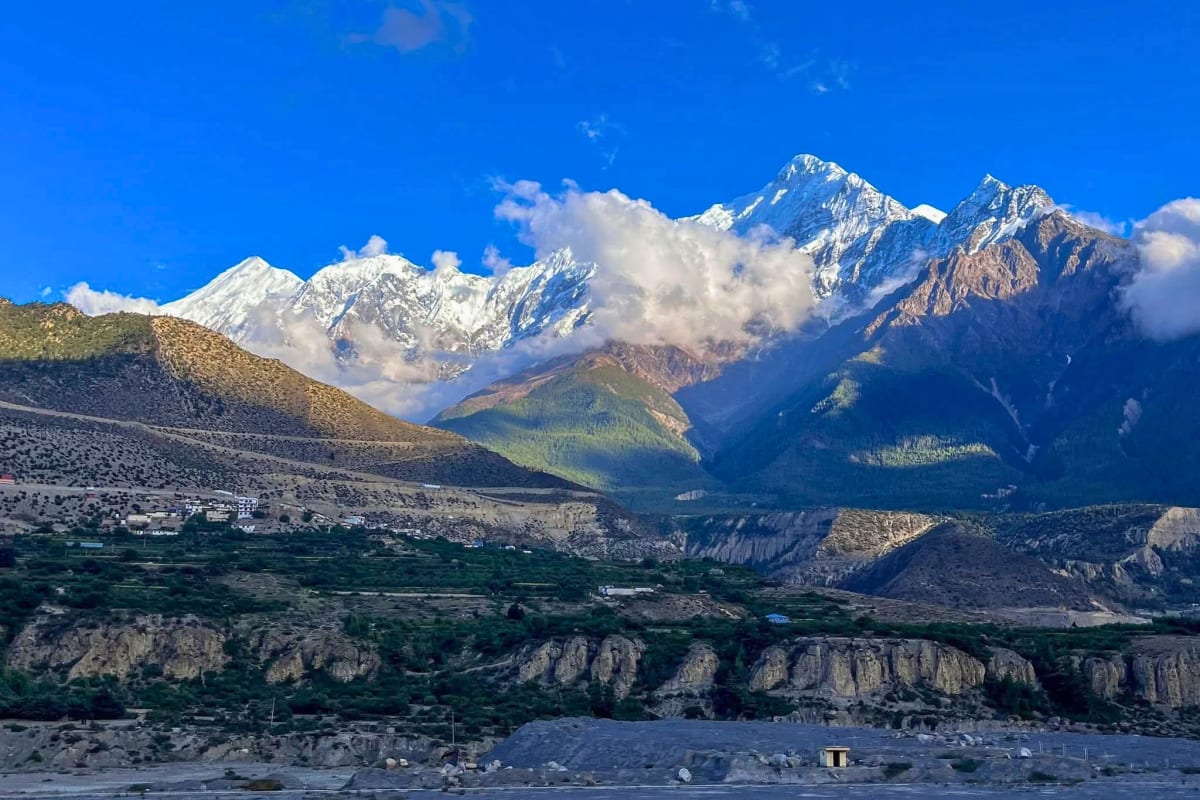
The Poon Hill trek takes 4 days, tops out at 3,210 m, and suits families and first-time trekkers who want Himalayan sunrises without altitude risk. Annapurna Base Camp climbs to a 4,130 m glacial amphitheatre over 7 days at moderate difficulty. Mardi Himal follows a quieter ridge to a 4,200 m viewpoint over 5 days. The Annapurna Circuit is the long one: 10 days, the 5,416 m Thorong La pass, and a full traverse from Manang to Mustang districts.
Every Annapurna route uses the same two-permit system and starts from a Pokhara road head, so the choice comes down to days available and comfort with altitude. Permit mechanics for all of them sit in the Nepal trekking permits master guide, and altitude planning for the Thorong La is in the altitude sickness prevention guide.
| Route | Duration | Max altitude | 2026 group cost |
|---|---|---|---|
| Poon Hill | 4 days | 3,210 m | USD 350-600 |
| Mardi Himal | 5 days | 4,200 m | USD 550-900 |
| Annapurna Base Camp | 7 days | 4,130 m | USD 750-1,200 |
| Annapurna Circuit | 10 days | 5,416 m (Thorong La) | USD 1,100-1,600 |
| Circuit + Tilicho Lake | 15 days | 5,416 m, plus Tilicho at 4,919 m | USD 1,350-1,900 |
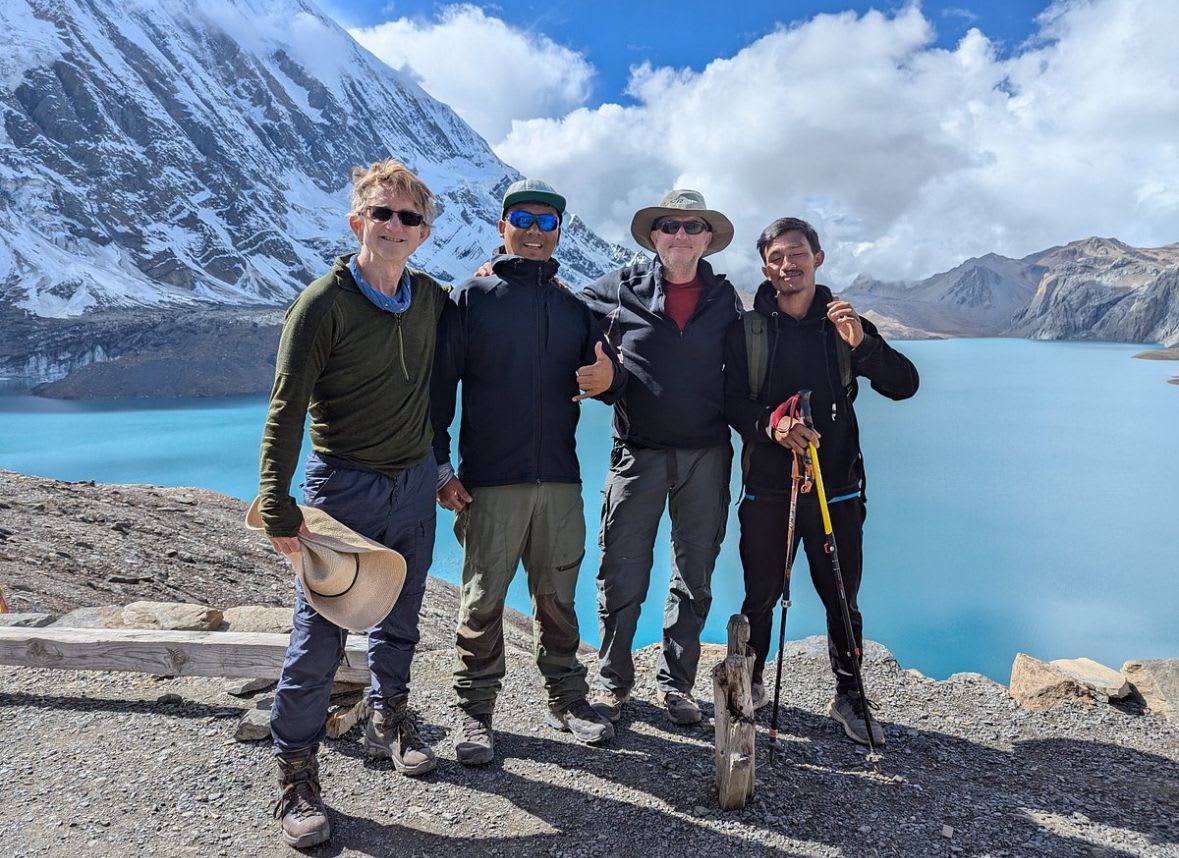
Cost tracks duration closely across these five, since every route shares the same permit pair and none requires a mountain flight, unlike Everest. The Circuit and Tilicho Lake variant cost more mainly because they add days, not because of any extra paperwork; the Tilicho side trip itself adds a genuinely separate high-altitude lake, the highest lake of its size in the world, to the standard Circuit itinerary rather than replacing part of it.
Poon Hill and Mardi Himal are the two routes worth comparing directly if a shorter trip with a lighter altitude profile is the goal; the Poon Hill vs Mardi Himal comparison covers crowding, difficulty, and season side by side. Trekkers deciding between the region's two flagship routes, Base Camp against the full Circuit, or against Everest Base Camp specifically, should read the EBC vs Annapurna Base Camp and Annapurna Circuit vs Manaslu Circuit comparisons, both written from guides who've led departures on every route named.
Families and first-time high-altitude trekkers default to Poon Hill or Mardi; trekkers who've done one shorter Annapurna route and want the region's full traverse move up to the Circuit, with Tilicho Lake as the add-on for anyone who wants one more genuinely remote high point before flying home.
October-November and March-May carry the region's stable weather, same as the rest of Nepal, but the Circuit adds a season-specific risk the shorter routes don't share: the Thorong La can close after heavy snowfall in the depths of winter, which rules out a December-to-February crossing on most years even though Poon Hill and Mardi Himal both run fine through the cold months at their lower altitudes. Trekkers set on a winter Annapurna trip should default to Poon Hill, Mardi, or the lower sections of Annapurna Base Camp rather than planning a winter Circuit crossing.
Planning
FAQ
Poon Hill, since it tops out at 3,210 m, well below the altitude where acute mountain sickness becomes a real concern, and runs only 4 days. Mardi Himal is a reasonable next step for a beginner with some hiking fitness who wants a quieter trail and slightly higher altitude.
No. Every Annapurna route starts from a road head a short drive from Pokhara, reachable by a 25-minute flight or 6-hour drive from Kathmandu. Unlike Everest, no domestic mountain flight is needed once you're in Pokhara, which is part of why Annapurna routes cost less overall.
Two: the Annapurna Conservation Area Permit (NPR 3,000) and a TIMS card (NPR 2,000), a combined NPR 5,000 for every route in the region, including the Circuit and Tilicho Lake extension. Full permit mechanics sit in the Nepal trekking permits master guide.